



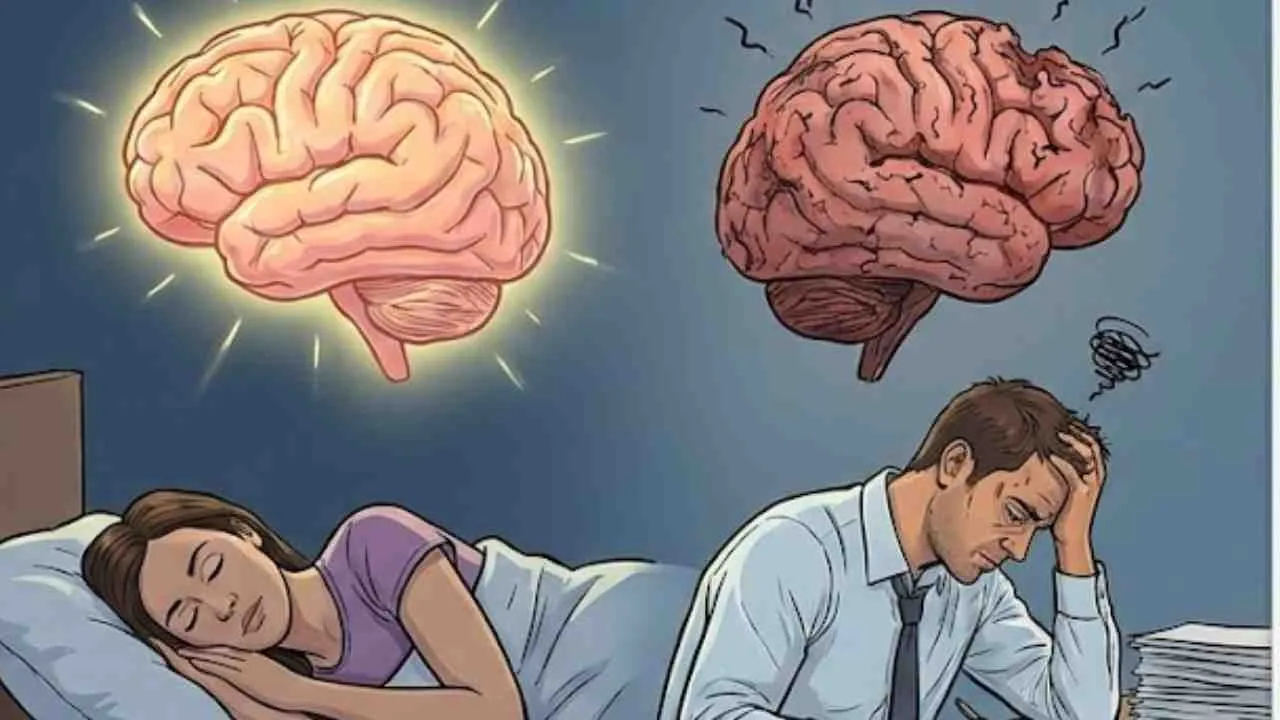
Sleep deprivation has become common in India due to long work hours and screen use. Students and office workers often sleep less than six hours. Medical studies show the brain needs seven to eight hours daily.
When sleep is missed often the brain does not repair itself fully. Hormone balance gets disturbed. Brain cells stay tired. Over time this affects thinking speed and decision making. Poor sleep is now seen as a public health concern.
Earlier generations slept earlier due to less screen exposure. The lifestyle shift has changed natural sleep cycles.
Brain Memory And Learning Ability Gets Affected
Chronic bad sleep directly impacts memory and learning power. During deep sleep the brain stores daily information. When sleep is cut short this process remains incomplete. Students may forget lessons easily. Adults struggle to focus at work. Research shows lack of sleep reduces attention span. Reaction time becomes slow. Brain fog is common. Even simple tasks feel difficult.
Over months memory loss signs become visible. This damage is not sudden but gradual. Doctors link long term sleep loss with early cognitive decline.
Emotional Control And Mental Health Changes
Sleep deprivation also affects emotional balance. The brain areas controlling mood become overactive. Small issues feel stressful. Anger and sadness increase. Anxiety levels rise. Medical facts show poor sleep raises risk of depression. Emotional reactions become extreme. People feel tired even after rest. The brain fails to reset emotional responses without sleep.
Historically Indian health systems stressed early sleep. Ancient texts linked rest with mental peace. Modern science now confirms the same link through brain studies.
Physical Brain Structure And Long Term Risks
Lack of sleep changes brain structure over time. Brain scans show reduced grey matter in people with chronic sleep loss. This affects thinking and judgement. Poor sleep also increases risk of stroke and dementia. Blood flow to the brain reduces. Toxic waste inside the brain is cleared only during sleep. Without proper sleep this waste builds up.
Neurologists warn that long term damage may not be fully reversible. Regular sleep protects brain health like diet and exercise.
Why Awareness About Sleep And Brain Health Matters
Public awareness about sleep deprivation remains low. Many people treat sleep as optional. Experts say sleep is a biological need. Schools and workplaces rarely educate about brain impact. Simple habits like fixed sleep time help. Reduced phone use at night improves brain recovery.
Health campaigns now focus on sleep hygiene. Understanding sleep damage helps people take action early. Brain health depends on daily rest. Prevention through awareness is easier than treatment later.
