



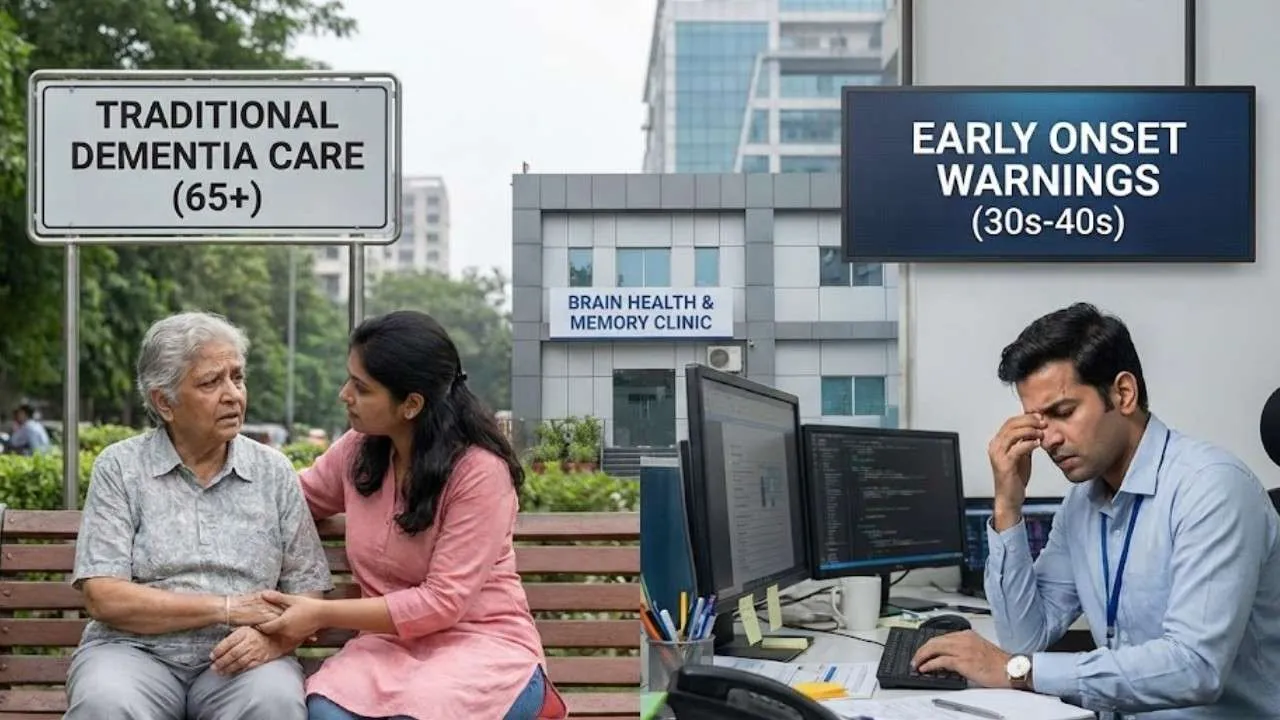
Doctors across India are seeing a worrying unique shift in dementia cases. Earlier, dementia was mostly found in people who are like above 65 years. Now, hospitals report patients in their 30s and 40s showing early signs. These include memory loss. Trouble in planning daily work. Difficulty in speaking clearly. Experts call this early onset dementia. Medical records show that such cases were rare twenty years ago. Today, they are no longer uncommon. This change has forced doctors to rethink. They are now rethinking how brain health is affected by modern life.
What Medical History Tells About Dementia
Dementia has been written about for over a century. In the early 1900s, German doctor Alois Alzheimer first studied memory loss disease. For decades, it was linked to ageing brains. Younger people were rarely diagnosed. Medical textbooks even ruled out dementia in young adults. This belief started changing after the year 2000. Better scans. Better diagnosis tools. Doctors began noticing brain changes earlier. This history shows that dementia was always present but not properly identified in younger people.
Lifestyle Stress Plays a Key Role
Medical experts point towards lifestyle pressure as a major cause.
Long work hours.
Lack of sleep.
Constant phone use.
High mental stress.
These factors harm brain health slowly. Studies show chronic stress affects memory areas of the brain. Young professionals often ignore warning signs. Forgetfulness is blamed on tiredness. Confusion is called burnout. Over time, damage increases. Doctors say this lifestyle pattern was not common in earlier generations. That is why early onset dementia cases were fewer before.
Role of Infections and Brain Health Conditions
Neurologists also connect early onset dementia to health conditions. Long COVID has been found to affect brain function in some patients. Repeated infections. Poor immunity. Hormonal imbalance. Head injuries. These factors increase risk. Medical data shows that untreated depression and anxiety also impact memory. In India, mental health treatment is still delayed. Many patients avoid medical help. This delay allows brain damage to grow silently. Symptoms are already strong by the time when your diagnosis happens.
Social Impact on Families and Workplaces
Early onset dementia changes family life too much and very deeply. A working parent suddenly struggles with routine tasks. Young patients face job loss. Social stigma adds pressure. In Indian society, memory loss is linked with weakness. Families often hide the illness. Doctors say early detection improves quality of life. Awareness remains low. Workplaces rarely screen mental health. This gap leaves many young adults untreated. Experts believe public discussion is necessary to prevent long term social damage.
