



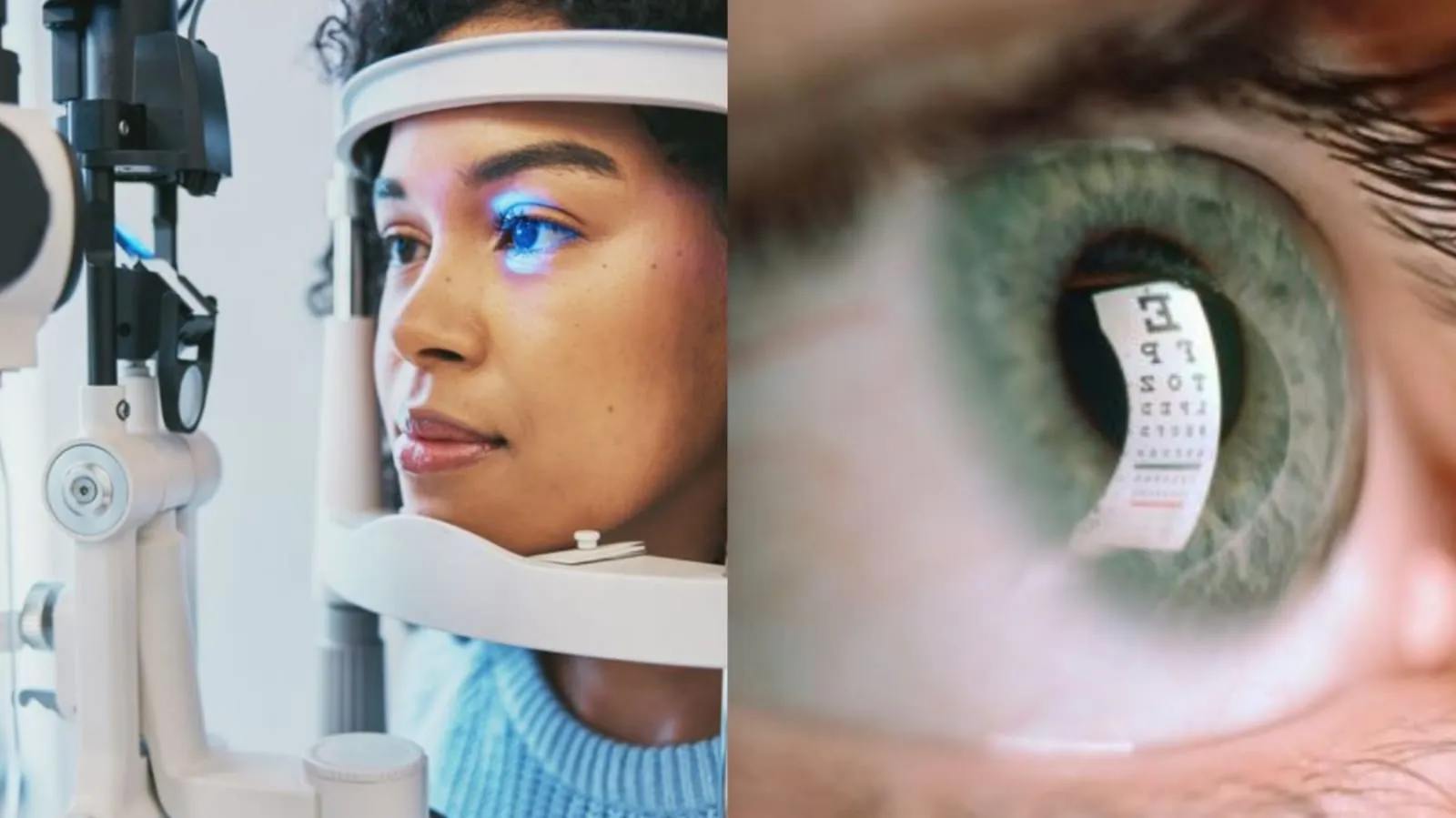
Vision loss is not always abrupt or violent. It usually progresses over time with little warning signals that go untreated. What most people dismiss as screen fatigue, stress or un-restorative sleep may be the result of an eye disorder.
According to Dr Rajat Kapoor, Senior Consultant Ophthalmologist at Dr Agarwals Eye Hospital, eye problems normally develop as subtle changes that many do nothing to address. “Vision loss typically begins with mild blurring, common headaches or trouble seeing at night. It evolves gradually instead of suddenly in most people,” he says. Early identification of these early symptoms can help to prevent irreversible damage to vision to be averted by timely medical intervention.
1. Frequent Headache or Eye Strain
Persistent headaches from reading or from extended screen use are not always fatigue. They may indicate:
Uncorrected refractive errors (e.g. myopia or hyperopia).
Eye accommodation problems.
More strain on the eyes because of digital screens.
And in rare cases, recurrent headaches and changes in vision can indicate neurological issues which should be reported immediately.
2. Difficulty Driving at Night
Seeing clearly in darkness is one of the first warning signs of many eye conditions. Watch out for:
Glare from headlights.
Halos around lights.
Reduced clarity in low light.
These symptoms can suggest early cataracts, refractive changes or retinal conditions. A diagnosis soon after can prevent deterioration.
3. Intermittent Blurred Vision
Blurred vision that rises and falls should not be discounted. It may be linked to:
Fluctuating blood sugar levels.
Early diabetic eye changes.
Vision problems related to the lens.
People with diabetes are particularly at risk; too much blood sugar raises a person's condition, which can cause the eye's lens to change shape temporarily, damaging vision.
4. Double Sight or Eye Misalignment
It’s not normal for occasional double vision — the condition must be medically evaluated. Warning signs include:
Two images instead of one.
Eye drifting or misalignment.
Difficulty focusing.
These symptoms can suggest muscular imbalance — or, in rare cases, neurological problems.
Silent Vision Loss Conditions to Watch For
Also, Dr Kapoor cautions that it is often the case that we start silently in conditions such as Glaucoma and retinal diseases and don’t notice any signs at first. By the time any visual changes are apparent, a lot of damage can have been done. Moreover, increased myopia is associated with excessive screen exposure and with bringing devices too close to the eyes, increasing strain and worsening eye power over time.
Why Early Detection Matters
Vision loss rarely happens overnight. These gradually develop with tiny warning signs that are easy to write off. Paying attention to patterns of symptoms that keep happening over a period of time will be helpful as will regular eye checks. If you do notice that there are persistent changes in your vision, see an ophthalmologist as soon as possible.