



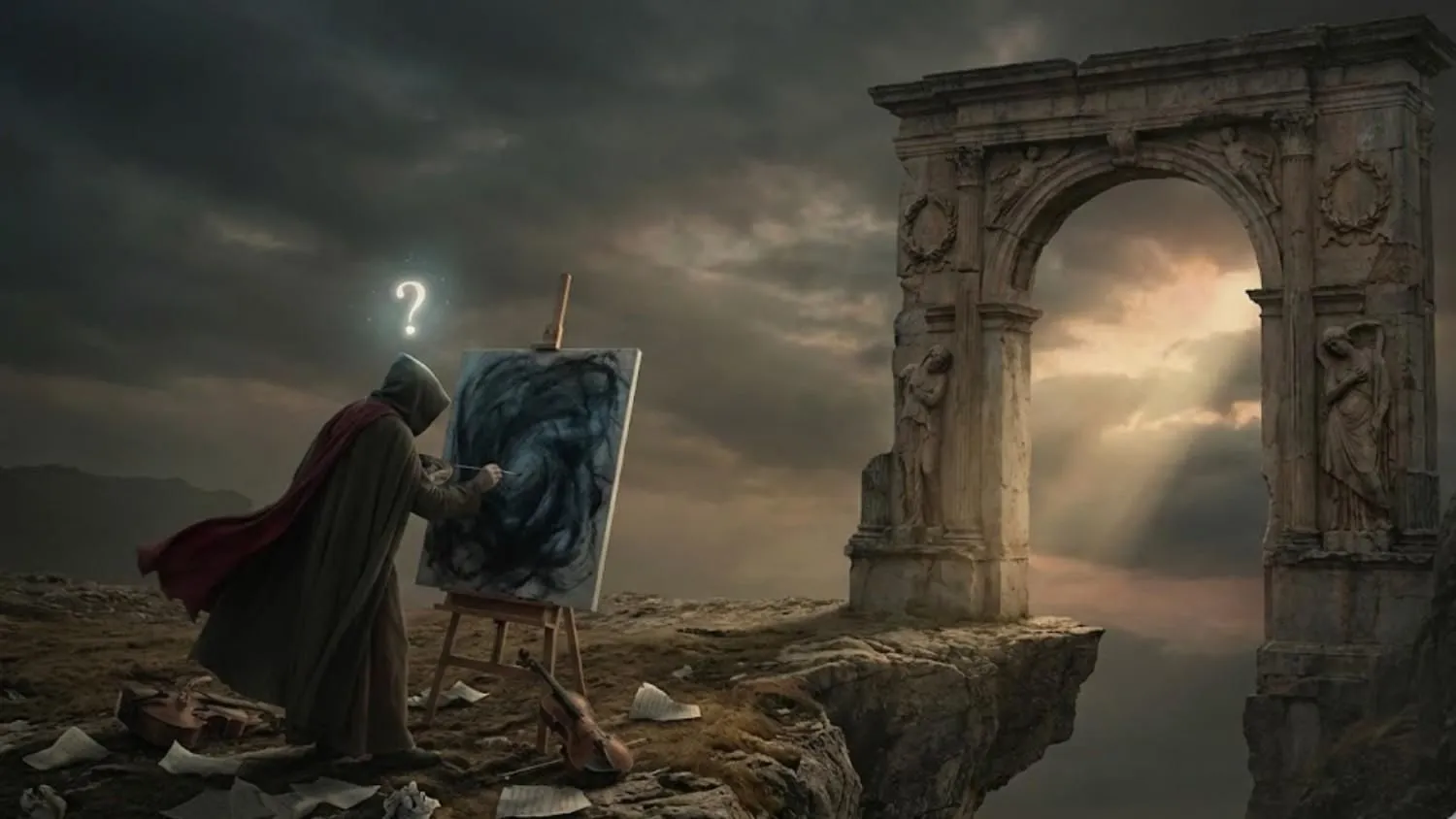
Have you ever heard someone say, “Real artists suffer”? Sounds dramatic, right? But why do we link pain with creativity so easily? From sad songs to dark paintings, this belief feels everywhere. Is struggle really a sign of true talent? Or are we just repeating an old story without questioning it?
Where Did The Tortured Artist Idea Begin?
The idea of the tortured artist did not start on social media. It goes back centuries. In old Europe, writers and painters were shown as lonely and misunderstood.
Famous names like Vincent van Gogh and Edgar Allan Poe were later used as proof that pain creates genius. But is that fair? History shows many artists lived hard lives due to poverty and lack of support. Their pain came first. Art followed. Over time, people mixed struggle with talent and turned it into a romantic story.
Does Suffering Really Improve Creativity?
Many people ask this question a lot of times. Science gives a clear answer. Pain does not improve creativity. Studies show stress and mental illness reduce focus and memory.
Artists may express pain through art. But that does not mean pain makes art better. Creativity needs clarity and energy. When someone is deeply troubled, creating becomes harder. Yes, emotions influence art.
But constant suffering often blocks growth. The idea sounds deep, but real life shows pain usually slows creative work.
Famous Artists And The Misunderstood Truth
People often name Van Gogh or Sylvia Plath. Some even Frida Kahlo. Their lives were difficult, no doubt. But history also shows many successful artists lived stable lives.
Rabindranath Tagore created timeless work with strong emotional balance. A R Rahman speaks openly about discipline and calm. Their creativity came from learning and routine.
Pain was not their fuel. We notice troubled artists more because tragedy sells stories. Calm success feels boring, so it gets ignored.
How Social Media Keeps This Myth Alive
Today, the tortured artist idea is trending again. Sad reels, broken-poet captions, and crying selfies are called creative.
Why? Because pain looks dramatic online. Young creators feel pressure to suffer to feel real. Is being happy seen as less artistic now? This thinking is dangerous. It normalises burnout and emotional damage.
Art becomes a cry for help instead of expression. Creativity should not need self-destruction. That belief helps no one.
What Actually Builds Long-Lasting Creativity
Facts show routine builds talent. Practice improves skills. Support systems protect mental health. Artists who sleep well and eat right create more. Schools and art movements across history prove this. Renaissance artists worked in workshops.
Indian classical musicians train for years with discipline. Creativity grows with care, not chaos. Pain may appear in art, but it is not a requirement.
The real truth? A healthy mind creates longer, stronger, and more honest work.
