



Audience response has long been considered a key indicator of a show’s future. However, recent developments suggest that this equation may be changing, at least in the streaming space.
When Viewer Feedback Doesn’t Shape Streaming Decisions
Netflix India has announced new seasons of some original series even after the first season received criticism, online backlash, or divided reactions. While renewals are not unusual, the pattern has sparked debate among viewers who feel their feedback no longer carries weight.
The Royals: A Recent Example That Sparked Debate
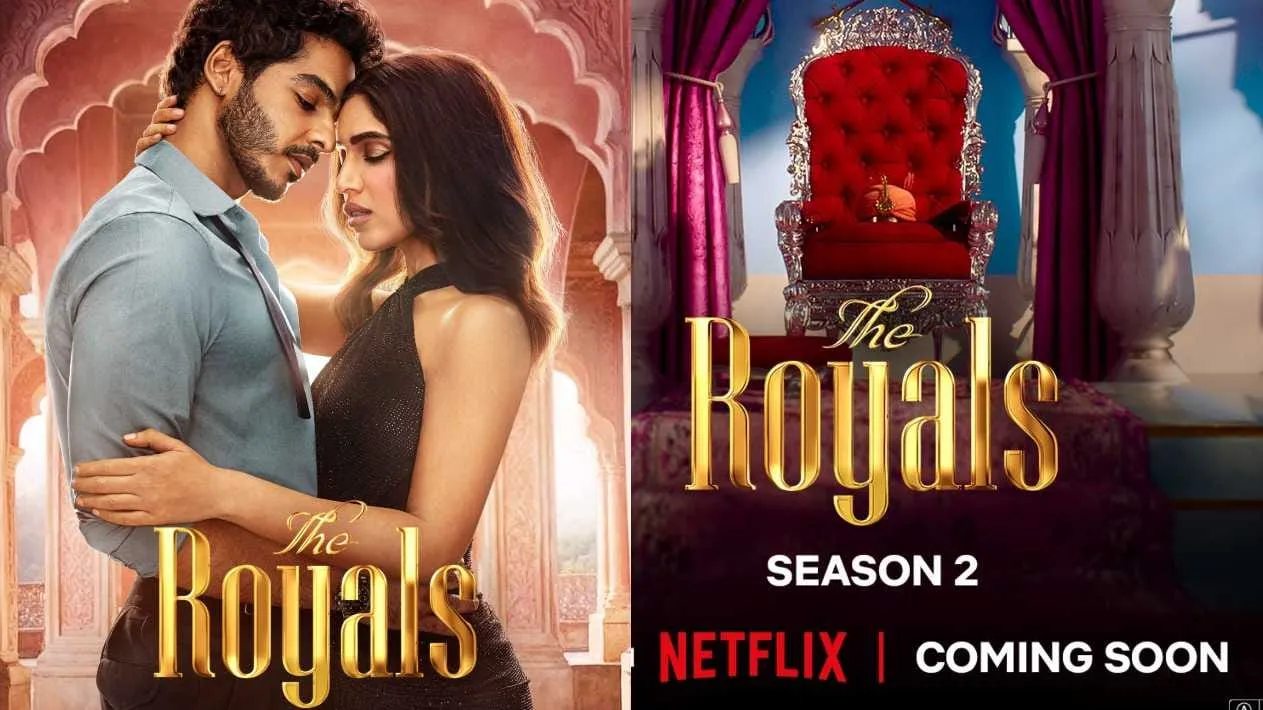
One of the most discussed cases is The Royals, a Netflix India original that faced widespread criticism after its first season. Social media reactions questioned the show’s writing, performances, and cultural portrayal. Despite the backlash, Netflix India confirmed a second season. The announcement triggered fresh criticism, with viewers comparing the renewal to other shows that were discontinued despite receiving stronger appreciation. The situation highlighted a growing perception gap between audience sentiment and platform decisions.
Backlash Didn’t Slow the Renewal Cycle
In interviews following the release, lead actor Bhumi Pednekar spoke about the intense online reactions and acknowledged the personal impact of the criticism. Yet, the show’s continuation indicated that Netflix India’s internal assessment differed sharply from public opinion. This reinforced the belief that renewals may depend less on reception and more on platform-specific performance metrics.
Why Negative Reception No Longer Means Cancellation
Industry observers point to several factors influencing renewal decisions:
Completion rates over review scores
Global viewership potential instead of local response
Cost-efficiency of existing IPs
Algorithm-driven engagement data
These metrics often remain invisible to viewers, making renewal announcements feel disconnected from public reaction.
The Growing Disconnect Viewers Are Noticing
Online discussions, especially on Indian social platforms, increasingly reflect frustration. Many viewers argue that some critically appreciated shows are discontinued, while others with mixed feedback continue. This inconsistency has led to a broader question: are streaming platforms prioritising visibility and data over viewer satisfaction?
Netflix India continues to invest heavily in original programming, but repeated renewals amid criticism risk creating viewer fatigue. Trust in content curation depends not just on data, but also on perceived responsiveness. As competition in India’s OTT space intensifies, audience expectations around quality, relevance, and accountability are only growing stronger.
Final Words
Renewing a show after criticism is not inherently flawed. But when it becomes a pattern, it invites scrutiny. Netflix India’s recent renewal choices suggest a shift toward metrics-driven decision-making—one that may not always align with audience perception. Whether this strategy pays off in the long run remains to be seen.
