


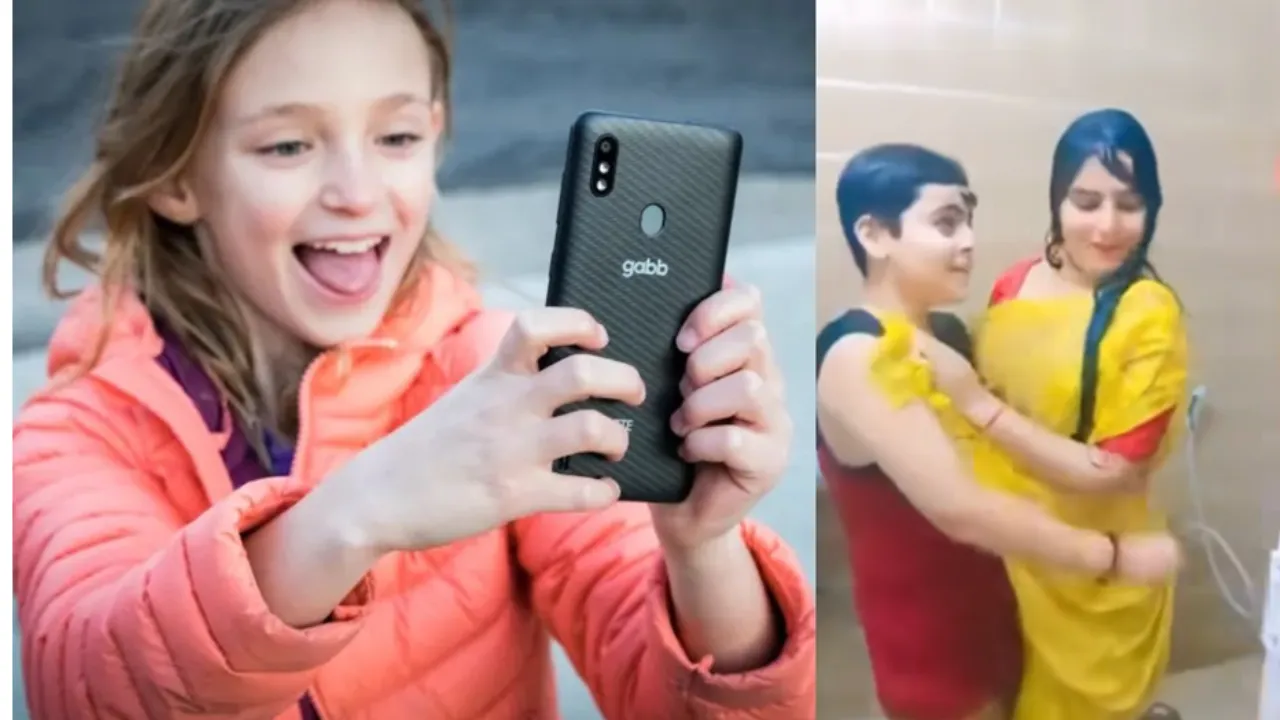
In the race for online fame, a troubling trend has emerged: parents exploiting their children—often minors—in the name of content creation. The rise of shock-value reels has turned innocent childhood moments into spectacles, leaving lasting scars on young minds
The use of children in these reels is often passed off as harmless fun, but the reality is far from it. Kids, unaware of the consequences, are thrust into a world where their innocence becomes a pawn for likes and shares. This isn't just poor parenting; it's a reflection of a society willing to sacrifice ethical boundaries for fleeting digital gratification.
One glaring issue is the long-term psychological impact. Constant exposure to an audience and the pressure to perform can erode a child’s sense of self-worth. Children might grow up seeking validation only through external approval, leading to anxiety, low self-esteem, or depression. Additionally, their digital footprint is permanently altered, often without their consent. Content that seems entertaining today may become a source of embarrassment or bullying tomorrow.
The problem worsens when shock value becomes the selling point. A deeply disturbing example is mothers exploiting their minor sons for provocative or outrageous content. These children, too young to understand or consent, are dragged into a digital circus where their dignity and innocence are stripped away. What’s dressed up as creativity is, in reality, exploitation.
Moreover, this trend normalizes unhealthy boundaries between public and private life. The line between creativity and exploitation has blurred, with creators prioritizing virality over their child’s emotional well-being. This sets a dangerous precedent for society, encouraging others to follow suit in pursuit of likes and fame.
The side effects go beyond the child. It breeds a culture of desensitization among viewers, where exploitation is mistaken for entertainment. It also shifts accountability away from platforms, allowing harmful trends to flourish unchecked.
As a society, we must hold content creators accountable and demand stricter guidelines from social media platforms. Parents need to reflect on their choices and prioritize their child’s well-being over online fame. Childhood is precious, and no number of likes is worth the loss of a child's dignity and innocence
The digital world should be a space for creativity and connection—not exploitation. The cost of fleeting fame shouldn’t come at the expense of a child’s future.
