



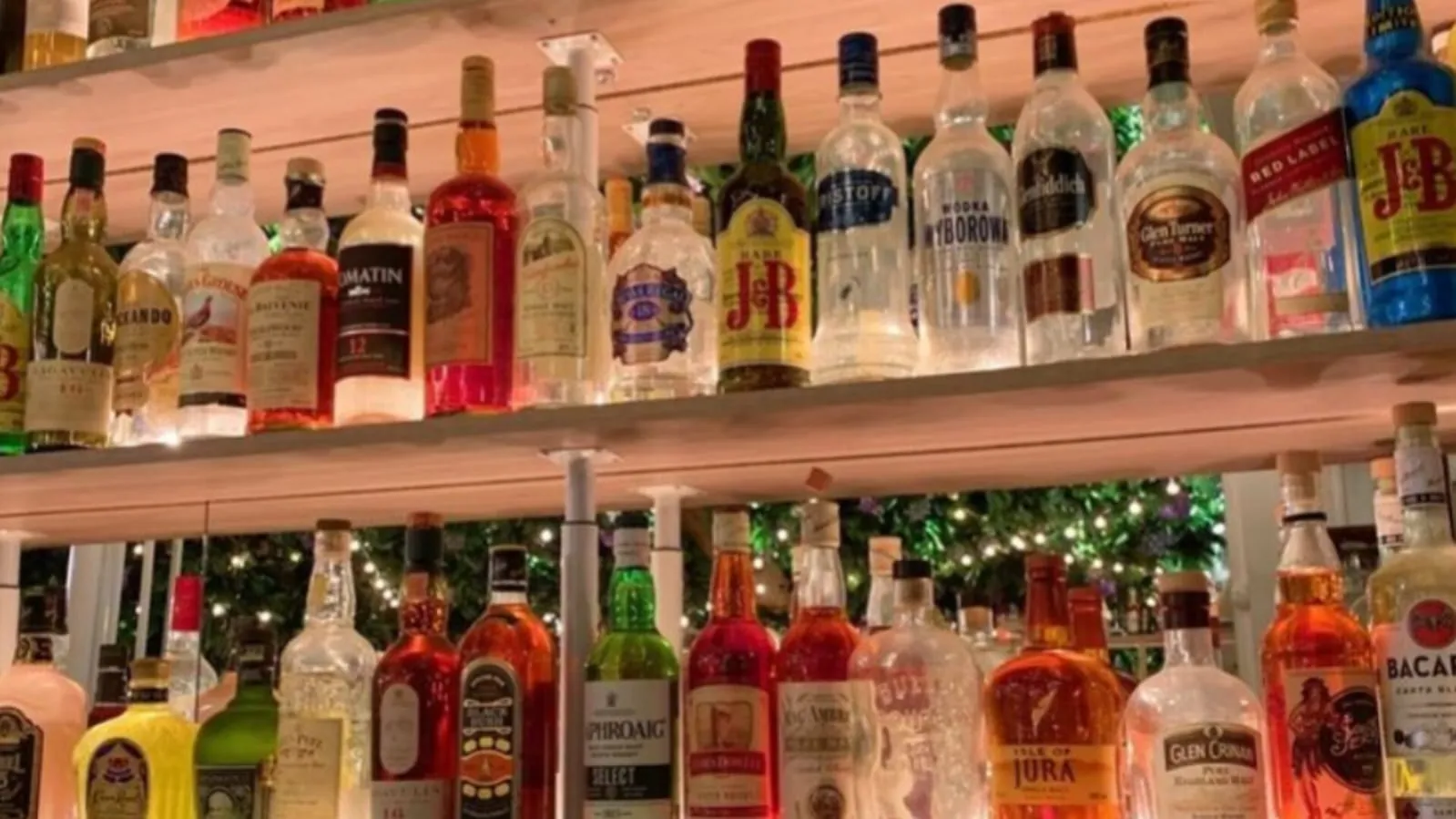
For decades, festivals and national observances in Maharashtra have meant just one thing for liquor retailers: mandatory shutdowns. That long-established norm, though, could soon be tested. The Maharashtra government is set to reduce restrictions on alcohol sales on certain occasions that have been historically designated as “dry days,” The Live Nagpur reports. The festivals mentioned are Holi, Muharram and Gandhi Jayanti.
No More Dry Days on Select Festivals?
The state government has said it has allowed licensed liquor stores to run on designated days earlier subject to blanket bans, the report said. Holi and Muharram are two of the festivals featured. The potential for the inclusion of Gandhi Jayanti has attracted particular interest on the grounds of symbolic importance. Its move is part of a larger revision of the state’s excise policy.
Why the Policy Shift?
Officials are said to figure full shutdowns typically result in increased sales of illegal alcohol. When legitimate shops shutter, demand does not vanish. Instead, customers will seek out unregulated or black-market supplies. By keeping authorised outlets open under supervision, the government tries to:
Reduce unlawful distribution of alcohol;
Prevent revenue leakage;
Improve regulatory scrutiny;
Conduct more official excise collection.
The strategy emphasizes more regulatory than lenient control. Regulators say regulated sales through licensed vendors are easier to regulate than underground sales.
Revenue vs Optics: The Political Debate Begins
The development has already stirred public and political debate. Opponents say the “impressive optics” of permitting liquor sales on occasions like Gandhi Jayanti, which commemorates the birthday of Mahatma Gandhi and has long reinforced values of sobriety and restraint. Its backers contend, though, that policy should be shaped by enforcement realities and economic necessity, not symbolism.
Dry Days Not Fully Removed
It is a relevant point to be aware, the proposed revision does not mean no dry days at all. The state will continue to enforce liquor bans on important national events when law-and-order issues are deemed important. The new framework is said to be limited to particular holidays and not an end to Maharashtra’s dry day laws.
A Major Shift in Maharashtra’s Excise Landscape
Done, it would be a powerful example of major change in Maharashtra’s alcohol administration. Dry days have been enshrined in the state’s administrative culture for years. Lessening restrictions on large festivals is a revenue-focused more enforcement-oriented stance. The government seems to be treading a line between cultural sensitivity, regulatory control and fiscal concerns. Whether the move, like, reduces illicit trade as intended — or exacerbates further controversy — is up in the air.