


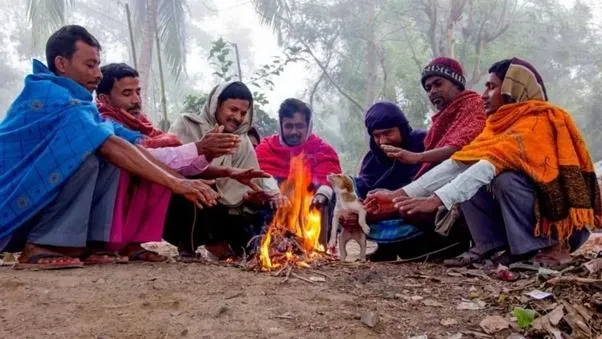
According to APEC predictions, the La Niña phenomenon is set to make its way toward Asian countries, significantly influencing this winter's climate. La Niña, characterized by cooler-than-average Pacific Ocean temperatures, disrupts global weather patterns and is poised to bring intense cold waves to the region. With a 62% likelihood of occurrence, India and its neighboring nations are preparing for potentially extreme weather conditions that could affect millions.
How Will It Impact India and South Asia?
La Niña winters can bring harsh conditions to countries like India, Pakistan, Afghanistan, Sri Lanka, and Myanmar. Historically, these events have caused significant disruptions, as seen during the severe La Niña of 2001, which lasted seven months and brought extreme cold. If current predictions are accurate, the winter from December 2024 to February 2025 could rank among the coldest in decades, posing challenges for infrastructure, agriculture, and daily life across the region.
APEC’s Prediction
The APEC Climate Center forecasts above-normal winter temperatures for India this season, shaped by La Niña conditions. These cooler-than-average Pacific temperatures are expected to persist until February 2025, gradually easing by spring. This could result in a prolonged winter season, with colder nights intensifying challenges for vulnerable communities, disrupting agriculture cycles, and straining energy resources across South Asia. Additionally, unpredictable weather patterns may pose significant risks to infrastructure and transportation networks.
What Precautions Should You Take?
1. Prepare Your Home:Insulate windows and doors.
2. Stock Essentials:Keep warm clothing, heating devices, and non-perishable food handy.
3. Health Safety:Flu and respiratory infections rise in cold weather; get vaccinated and stay warm.
Potential Challenges for India
1. Agriculture Impact: Extreme cold could harm crops like wheat and rice.
2. Energy Demand: Increased heating requirements may strain electricity and fuel supply.
3. Vulnerable Populations: Homeless and rural communities face higher risks.
The upcoming winter season could test India’s resilience as La Niña. Staying informed and prepared is crucial to minimize its effects. Keep an eye on weather updates and follow government advisories.
Source: Click Here
