



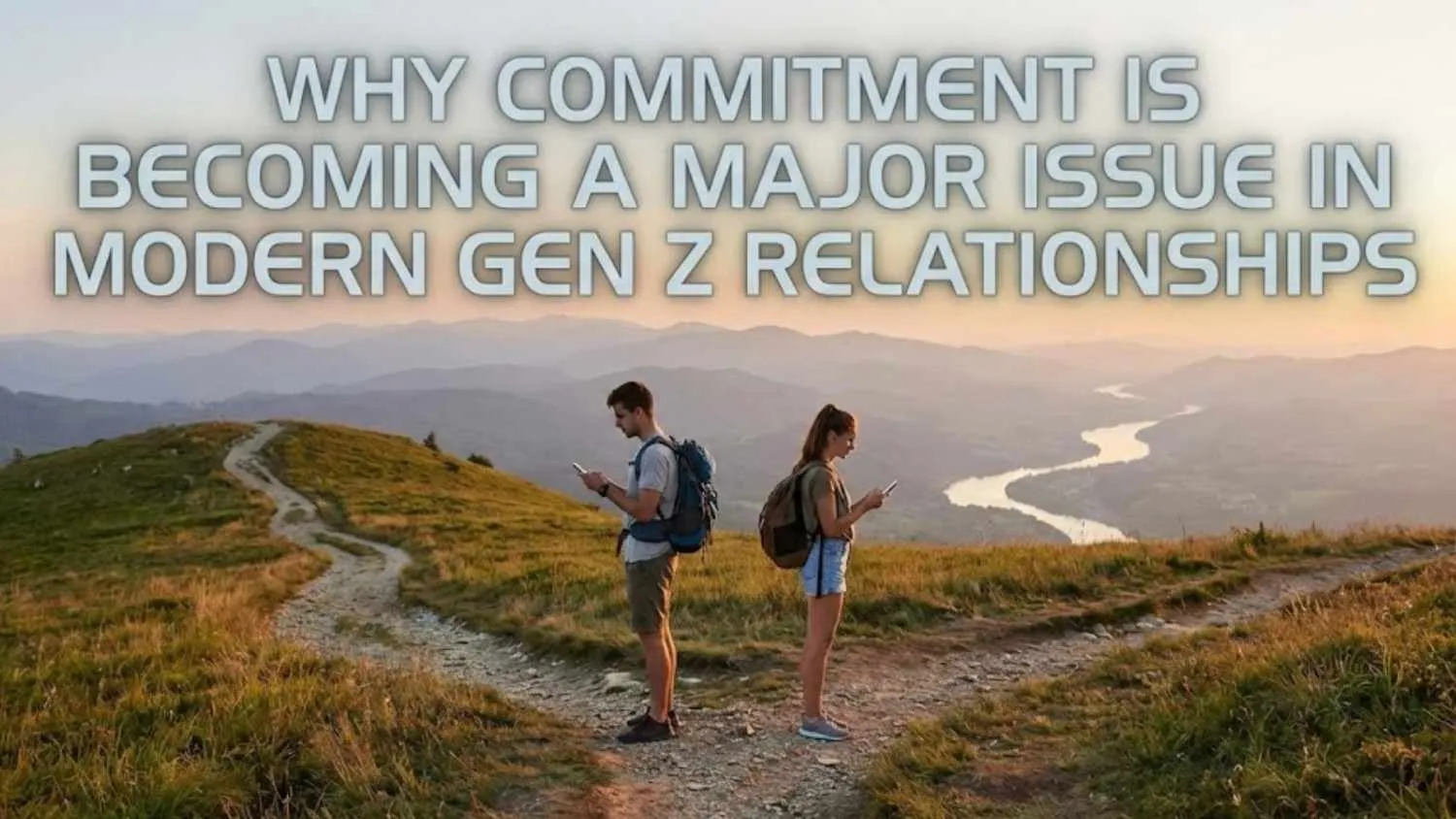
Many young people today see relationships differently. The meaning of commitment feels less clear. Many want freedom. They want space. Some fear long term plans. Social media also shapes how they think. Dating apps give many choices. Endless choices confuse the mind. Many feel pressure to look perfect. Older generations had fewer distractions. Gen Z lives in a fast world. Feelings shift quickly. This new speed creates doubts. These doubts weaken trust. This makes commitment difficult for many couples.
Why Fear Of Commitment Is Growing
Gen Z often worries about losing independence. Many want to focus on career. Many carry emotional stress from past fights or breakups. Some have seen unstable marriages at home. This makes them afraid of long term promises. Many prefer casual relationships. They call it low effort love. Some avoid labels. They keep it unclear. This creates confusion. Some want love but fear being hurt. Many think commitment may block their goals. These small thoughts build huge walls in relationships.
Modern Dating Terms That Show Today’s Relationship Pattern
The dating culture now has many new terms. These terms show how young people behave.
- A situationship is when two people act close but avoid calling it a relationship.
- Ghosting is when one person suddenly stops talking without reason.
- Dry talking means replying with short and boring messages.
- Breadcrumbing is when someone gives small attention but never takes things ahead.
- Soft launching is when someone posts hints of a partner without showing the person.
- Talking stage is when two people chat regularly but remain unsure.
- Orbiting is when someone watches your online activity but avoids real contact.
All these patterns show a lack of stability. They show that clarity is missing in modern love.
A2Z GenZ Dating Terms
- Affordating: Going on inexpensive dates.
- Beige Flag: Unoriginal dating profiles or minor quirky habits.
- Benching: Keeping someone as a backup while pursuing others.
- Breadcrumbing: Giving small attention to keep someone interested without commitment.
- Catching Feels: Developing real romantic feelings.
- Cuffing Season: Looking for a partner during colder months.
- Cushioning / Cushion Dating: Keeping backup flings as a safety net.
- Delulu / Delusionship: Believing in a one sided or imaginary romantic bond.
- Extensationship: A relationship that exists only through texts or DMs.
- Flags (Red, Green, Beige, Pink): Warning signs, good traits, dull habits, or soft risky traits.
- Ghosting: Suddenly stopping all communication.
- Groundhogging: Repeating old dating mistakes with new people.
- Kittenfishing: Slightly lying or modifying oneself online.
- Love Bombing: Giving too much affection too fast in the beginning.
- Micro mance / Nano ship: Very short and low expectation connections.
- Orbiting: Watching someone’s online activity after cutting contact.
- Rizz: The ability to charm someone.
- Situationship: A romantic connection without clear labels.
- Slow Fade: Gradually reducing contact until things end.
- Soft Launch: Hinting about a new partner on social media without revealing them.
- Textationship: A relationship that exists mostly through texting.
- Zombieing: Coming back after ghosting without any explanation.
Impact Of Technology On Young Relationships
Phones and apps strongly influence Gen Z love. Many couples talk more online and less in person. Small misunderstandings grow fast. Social media creates comparison. People see perfect couples online. They feel their own bond is weak. This creates stress. Many want instant replies. Slow replies cause fights. Too much texting can reduce real connection. Technology helps meet new people. But it also makes people replace each other quickly. This weakens loyalty. This makes commitment feel risky for many young partners.
Need For Better Communication And Healthy Boundaries
Experts say communication is the biggest need today. Couples must speak honestly about feelings. They must set boundaries. They must express their expectations. Many young people are learning these skills slowly. Schools and colleges now talk more about mental health. This helps students understand relationships better. Friends also play a big role. They guide each other. Healthy habits can make commitment easier. Respect builds trust. Trust builds comfort. Comfort builds long term connection. Small efforts from both sides can make Gen Z relationships stronger.
