


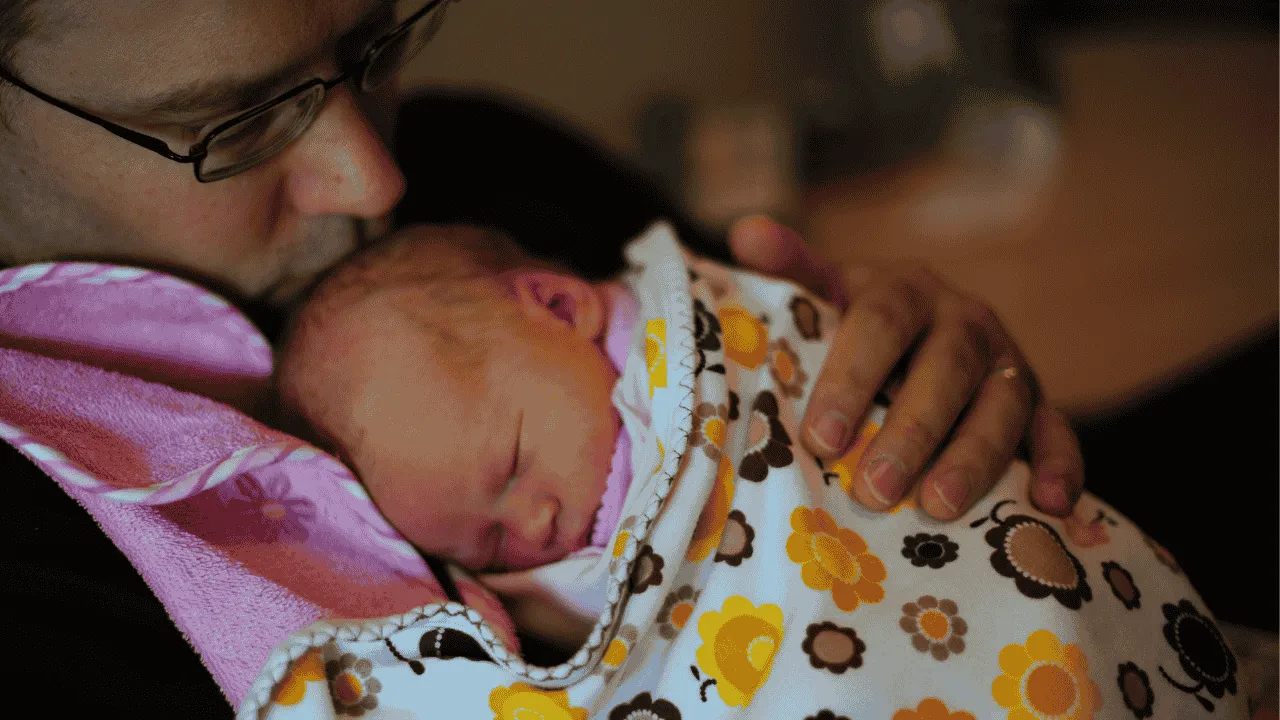
Mumbai (Maharashtra) [India] December 17: In India, raising young children means juggling life with lots of family and work obligations as well as facing some tough times during the rainy season. While the child aged between 1 and 3 years is exploring their surroundings through exploration and curiosity, they also have many needs that require a parent's creativity, patience and knowledge of culturally available resources.
As the amount of time spent in front of a screen is increasing and nuclear families are becoming more common, parents are confronted with problems that are new to them, for instance, children's nutrition becoming deficient and children having tantrums. Consequently, there exist both universal and culturally-specific ways of solving these problems. This article is a repository of various techniques that are effective in the emotional well-being, physical health, and general happiness of toddlers.
Nutrition on a Budget
There are numerous low-cost nutritious options available that will help the growth of your toddler. Several of these foods that are typical of Indian culture, such as Mashed Dal, Khichdi with vegetables, and Ragi Porridge, are good sources of iron and protein, which are essential for the brain development of a toddler.
It is your responsibility to expose your child to various tastes and flavours from an early age (e.g., Curd Rice with Grated Carrot), so that they can build an immune response against common infectious diseases.
Playtime with Indian Twists
Turn everyday items into fun learning tools. Use old dupattas for tent forts or steel thalis for rhythm games inspired by garba beats. Playing outdoors at the park helps the development of children's motor skills, while during the rainy season, children can engage in indoor activities such as stacking diyas or sorting spices, which helps them to develop their senses.
Keep the use of screens to a maximum of 30 minutes per day and instead of that children can listen to stories from the Panchatantra.
Handling Tantrums the Indian Way
Toddlers' meltdowns peak during crowded markets or delayed trains—stay calm. Use deep breathing together, then distract with a favorite toy or song like "Lakdi Ki Kaathi." Joint family support helps; involve grandparents for hugs and reassurance.
Set gentle boundaries with positive reinforcement: praise good behavior lavishly. Time-outs work briefly in a quiet corner, followed by cuddles, respecting our high-context culture where emotions run deep.
Health and Hygiene Essentials
India's dust and festivals make hygiene quite challenging. Do not let the children eat without showing them how to wash their hands with neem soap; also, drinking water made from copper utensils should be used for the natural purification of water. Follow the vaccination schedule as per UIP guidelines and be extremely careful about dengue during the rainy season.
Hence, use mosquito nets and Odomos. Check-up on a regular basis to detect anemia which is very common among children who mainly eat vegetables.
Sleep Routines Amid Festive Chaos
Establish bedtime rituals: warm milk, a lullaby, and dim lights by 8 PM. Diwali lights or summer heat disrupt? Blackout curtains and fans help. Co-sleeping is common here—ensure safe surfaces to prevent roll-offs.
Consistent naps (1-2 hours) recharge energy; avoid late evening chaat that spikes hyperactivity.