



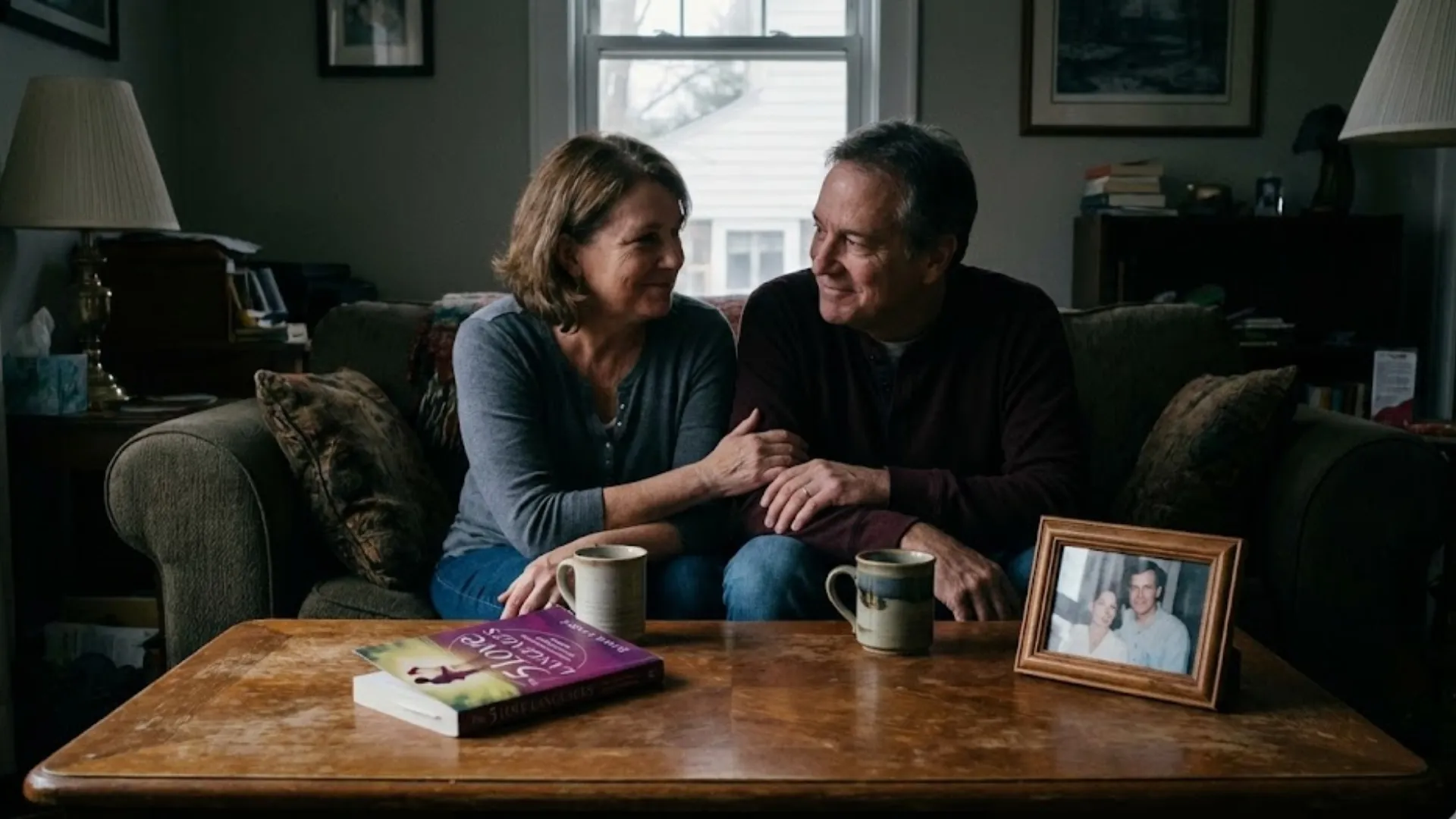
In the 1990s, Love languages became famous after a book. It is a 1992 nonfiction book by Baptist pastor Gary Chapman. It outlines five general ways that romantic partners express and experience love. Today someone considers words of affirmation as a love language. Other consider gifts, time, service or touch as love language. Every person has its own way. Sounds simple, right? Couples started testing each other. Social media pushed it harder. If your partner did not match your love language, panic started. People asked friends, is this a red flag? Therapists saw this trend grow fast. But research stayed quiet. No strong study said love languages predict long relationships. Many couples with mismatched styles still stayed together for decades. So what worked for them? Not labels. Daily behaviour. Respect. And how they handled fights when love felt missing.
Research Says Communication Beats Love Language Theory
Psychologists have studied relationships for years. One thing stays clear. How couples talk matters more than how they show love. Do they listen or interrupt? Do they insult or stay calm? Studies from marriage labs show tone during conflict predicts divorce risk. Eye rolling, sarcasm, silence. These are danger signs. Not gift giving gaps. Couples who solve problems together last longer. They ask questions. They explain feelings. They do not keep score. Love languages look cute on reels. Communication skills look boring. But boring keeps marriages alive. Drama gets views. Stability gets years.
Consistency Matters More Than Romantic Gestures
People often ask. Should love feel exciting every day? Honest answer. No. Long term love runs on routine. Small actions repeated daily matter more. Checking in. Helping without asking. Being reliable. Research shows trust grows from consistency. Not surprises. Not grand dates. Couples who know their partner will show up feel secure. Security builds attachment. Attachment builds longevity. Love languages focus on expression. Longevity depends on dependability. When life gets tough, illness, money stress, family issues, flowers do not fix it. Presence does. Reliability does. That is not viral. But it is real.
History Shows Long Relationships Were Built Without Love Labels
Our parents and grandparents did not know love languages. Still many stayed married for decades. Why? Social structure played a role. But emotional skills mattered too. Respect for effort. Shared responsibility. Community pressure to solve issues. Old Indian households valued adjustment. Not performance. Couples learned to grow together. Modern love focuses on self needs first. Old love focused on shared survival. Neither is perfect. But history shows one thing. Labels were never the base. Behaviour was. How partners treated each other daily decided longevity. Not how well they memorised a love language chart.
What Actually Predicts Relationship Longevity Today
So what predicts long relationships today? Research points to emotional safety. Can you be honest without fear? Conflict repair. Do you say sorry and mean it? Shared values. Money, family, goals. These matter more than gifts or touch preference. Mutual respect. Kindness during stress. These predict staying power. Love languages can help start conversations. They should not become rules. When couples stop listening and start categorising, problems grow. Ask better questions. Are we kind when tired? Do we fight fair? Those answers predict longevity not result.
