



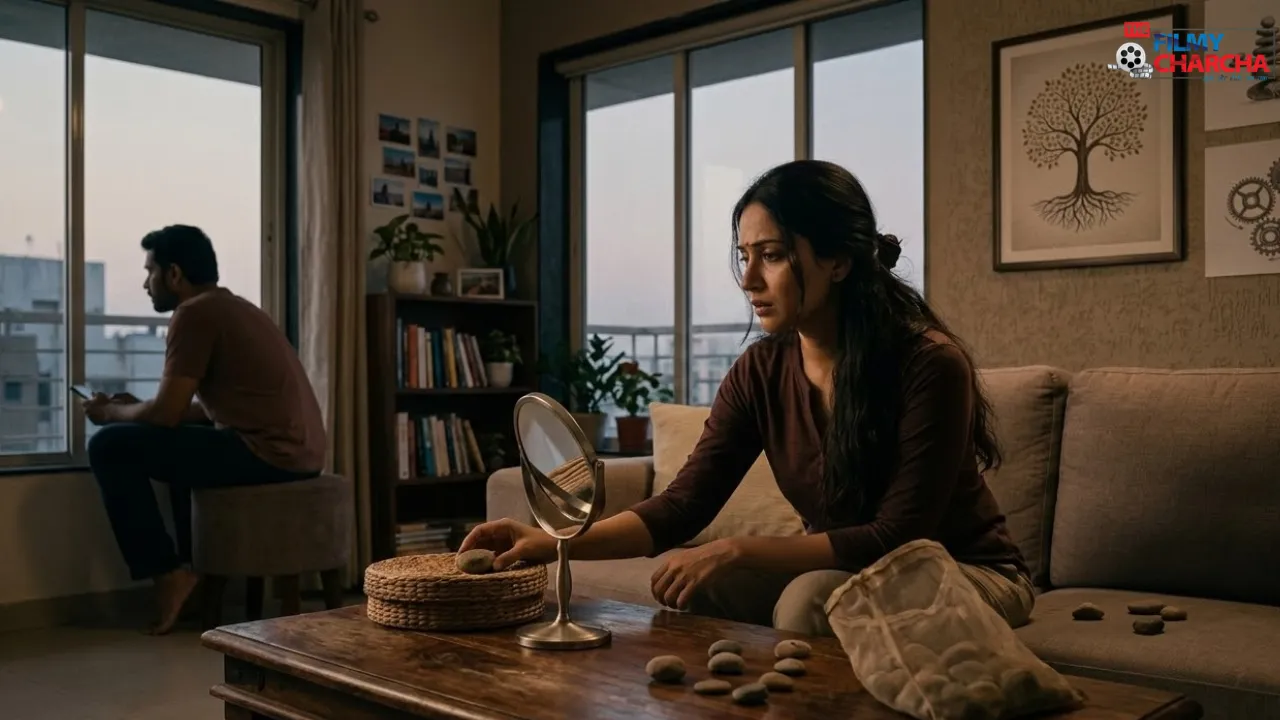
Have you ever felt upset about something small but stayed quiet? That small feeling may become micro resentment. Psychologists say micro resentments are tiny emotional hurts that stay unspoken. One partner may feel ignored. Another may feel disrespected in small ways. These moments look small at first. But when they repeat often they grow into emotional distance. Many couples do not notice this early. Online users say they realised the problem only after constant irritation started appearing in daily conversations.
How Small Behaviour Creates Micro Resentments
Experts say micro resentments usually start from daily habits. Forgetting promises can cause it. Not listening properly can create it. Sometimes tone of voice triggers it. One partner may feel unappreciated after doing housework or emotional support. The other partner may not realise it at all. These feelings slowly collect like tiny stones in a bag. Psychologists say each ignored moment adds weight. Eventually communication becomes cold. Many couples later say they never spoke about these small hurts when they first appeared.
History Of Micro Resentment Idea In Psychology
Relationship psychologists began discussing small emotional conflicts decades ago. Early family therapy research in the 1970s studied hidden anger in marriages and researchers found that many breakups were not caused by one big fight. Instead repeated small disappointments damaged trust slowly. Later studies called these feelings micro resentments. Modern therapy now focuses on recognising these early signals. Experts explain that human memory stores emotional hurt strongly. When many small hurts combine they shape how partners see each other.
What People Are Saying About Micro Resentments
Many people talk about micro resentments online. Some believe that small ignored messages created distance in their relationship. Social media trends say repeated sarcasm slowly made them feel unvalued. Relationship forums show similar stories. Users say they ignored early signs because they thought it was normal. Psychologists say this reaction is common. People avoid speaking about small issues to prevent conflict. But silence can increase misunderstanding. Experts explain that expressing small discomfort early often protects emotional connection.
How Experts Say Couples Can Stop Micro Resentments
Relationship counsellors say awareness is first step. Partners should notice repeated irritation early. Calm conversation helps release tension before it grows. Experts suggest simple habits. Say thank you often. Listen carefully during talks. Ask partner how they feel about small issues. Studies show couples who discuss small concerns regularly build stronger trust. Therapists explain that love is maintained through daily behaviour. Small kindness protects relationships. Small neglect weakens them. Understanding micro resentments helps couples protect emotional closeness for long term stability.
