



Many people ask this question today. Why does caste culture still exist in modern society? India has changed in many ways. Cities are modern. Education is growing. Yet caste discussions continue in social life. Historians say the caste system has very old roots. It developed thousands of years ago in ancient society. At that time communities worked in different professions. Over time these professions slowly became social groups. Families started marrying within the same group. This practice continued for generations. Because of this long history, some people still support caste traditions today.
How Tradition And Family Identity Influence Caste Support
For some families caste identity is connected with tradition. They believe it protects cultural practices, language, and family customs. Many elders grew up in communities where social life was organised around caste groups. Festivals, marriages, and rituals were often arranged within the same community & because of this background, some people feel comfortable continuing these traditions. Sociologists explain that cultural habits often remain strong even when society changes. For some individuals caste identity represents family heritage rather than social discrimination. This belief is one reason why certain groups still support caste-based customs.
Intercaste Marriage: A Big Discussion
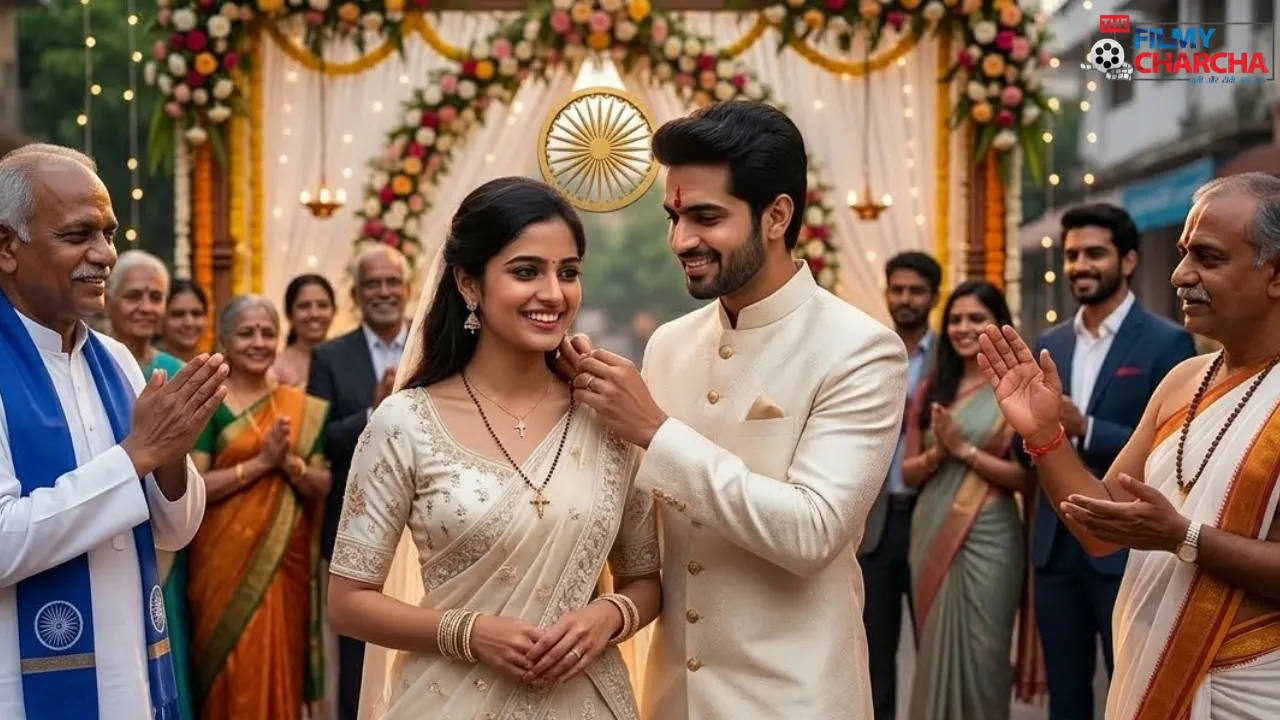
Intercaste marriage means two people from different caste groups marry each other & in modern cities this is becoming more common. Education and workplace interaction bring people from different backgrounds together. Friendship sometimes becomes love & when couples decide to marry, caste differences may appear. Then the main problem starts when some families worry about social acceptance or cultural differences. Because of these concerns intercaste marriages often become emotional family discussions. Sociologists say these reactions usually come from fear of social judgement rather than personal dislike between families.
What Indian Laws And Society Say About Intercaste Marriage
Indian law clearly allows intercaste marriage and the Special Marriage Act of 1954 made it possible. Now couples from different communities are allowed to marry legally. Government policies also encourage equality between social groups. Over time many public figures and leaders have supported intercaste marriage as a step toward social unity. Urban areas show more acceptance today. However attitudes can still vary in rural regions. Social researchers explain that cultural change usually happens slowly. Legal acceptance often comes earlier than social acceptance in many societies.
Young Generations: Changing Social Views
Young Indians today are growing up in a different environment in schools, colleges, & workplaces. These places mix people from many backgrounds. Friendships are often based on shared interests instead of caste identity. Because of this many young couples feel intercaste marriage should be a personal choice. Social observers say technology and social media also influence opinions. Exposure to different cultures and ideas is increasing. These changes slowly reshape traditional beliefs and experts believe that conversations about equality and respect. They talk about personal freedom. These values are continuously shaping the future of caste discussions in Indian society.
