


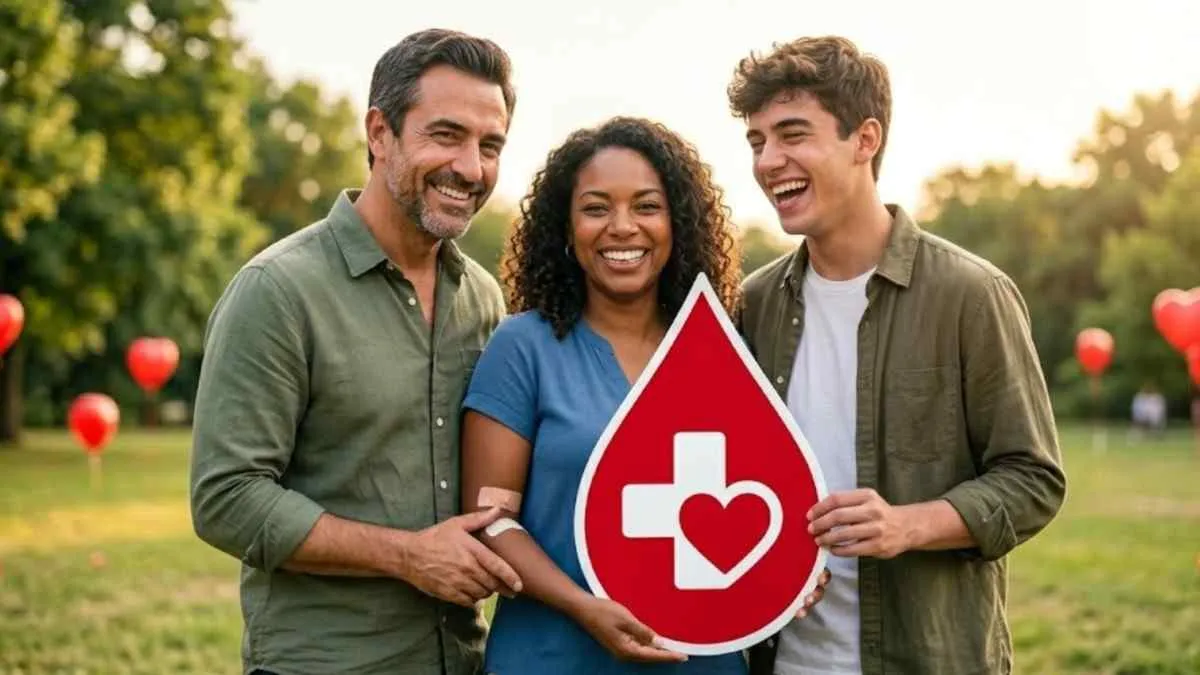
World Blood Donor Day 2026 reminds us of the life-saving role played by blood donors across the globe. Every day, hospitals rely on donated blood to treat accident victims, cancer patients, people undergoing surgery and women facing childbirth complications. Yet despite the constant need for blood, many people still hesitate to donate because of fears about how it might affect their health.
According to the World Health Organization (WHO), more than 120 million blood donations are collected worldwide every year. Experts say blood donation is a safe process for healthy individuals, but myths and misinformation continue to discourage potential donors. From fears of weakness and infections to concerns about long-term health effects, several misconceptions remain common. Here's what really happens to your body after donating blood and the facts behind the most widely believed myths.
What Happens To Your Body After Donating Blood?
During a standard blood donation, approximately 450 to 500 ml of blood is collected. While that may sound like a significant amount, the human body is designed to recover from it naturally.
The first thing your body replaces is plasma, the liquid portion of blood. If you drink enough fluids, plasma levels are usually restored within about 24 hours. Red blood cells take longer to recover and are gradually replenished over the following weeks. This is why blood donation centers recommend waiting for a specific period before donating again.
Most healthy adults experience no serious side effects. Some donors may feel slightly tired or lightheaded for a short time after donating, but these symptoms usually disappear quickly with rest, hydration and a healthy meal. Before every donation, medical staff also check a donor's blood pressure, hemoglobin levels and overall health to ensure the process is safe.
World Blood Donor Day 2026: 10 Common Myths Busted
Myth 1: Blood Donation Makes You Permanently Weak
Fact: Blood donation does not cause permanent weakness. While some people may feel temporarily tired, the body quickly starts replacing lost fluids and blood cells.
Myth 2: You Can Catch Infections From Donating Blood
Fact: This is one of the biggest misconceptions. Blood donation uses sterile, single-use needles and equipment. There is no risk of contracting HIV, hepatitis, or other infections during the process.
Myth 3: Blood Takes Months To Recover
Fact: Plasma is replaced within about a day, while red blood cells recover gradually over several weeks.
Myth 4: Only Rare Blood Types Are Needed
Fact: Every blood type is important. Hospitals require a steady supply of all blood groups to meet patient needs.
Myth 5: Blood Donation Is Very Painful
Fact: Most people only feel a brief needle prick. The donation process itself is generally painless and takes less than an hour from start to finish.
Myth 6: People With Tattoos Can Never Donate Blood
Fact: Having a tattoo does not permanently disqualify you. However, you may need to wait for a specified period after getting a tattoo before becoming eligible.
Myth 7: Vegetarians Cannot Donate Blood
Fact: Vegetarians can donate blood as long as they meet the required hemoglobin levels and are in good health.
Myth 8: Blood Donation Causes Weight Loss
Fact: Donating blood is not an effective weight-loss method. Any calories burned during recovery are minimal and do not lead to lasting weight changes.
Myth 9: Older Adults Cannot Donate Blood
Fact: Many healthy older adults can continue donating blood if they meet eligibility criteria and pass routine health checks.
Myth 10: Blood Donation Harms Your Health
Fact: For healthy individuals, blood donation is considered safe. The screening process is designed to protect both donors and recipients.
Blood cannot be manufactured in a laboratory. Every unit of blood used in hospitals comes from a voluntary donor. This makes regular donations essential for maintaining adequate blood supplies.
Health experts say blood shortages remain a challenge in many parts of the world. Emergencies, natural disasters, surgeries and chronic illnesses create a constant demand for blood. A single donation can help save up to three lives, making every donor a valuable contributor to the healthcare system.