



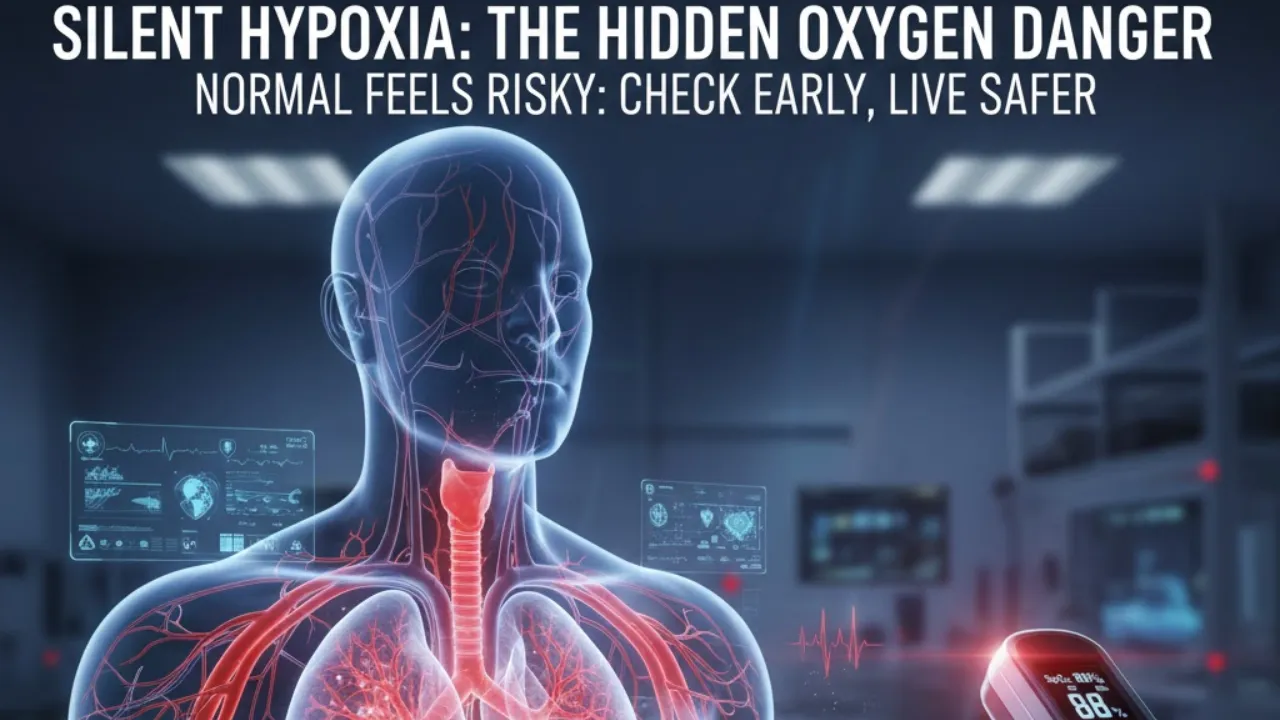
Silent hypoxia is a condition where oxygen level in blood drops but person feels normal. Doctors say this is risky because symptoms appear late. Normal oxygen level is about 95 percent or more. In silent hypoxia it can fall below 90 without clear breathing trouble. Medical reports show this condition became widely noticed during recent viral outbreaks. Experts explain that body sometimes adapts slowly so warning signs stay hidden. This makes early checking important. Pulse oximeter devices help detect oxygen level quickly.
History Of Medical Discovery Of Silent Hypoxia Cases
Medical science recorded hypoxia cases long ago in mountain sickness patients. Climbers at high altitude showed low oxygen without quick symptoms. Later doctors observed similar patterns in lung illnesses. During global respiratory outbreaks doctors studied thousands of patients and confirmed silent hypoxia pattern. Research papers showed many patients walked and talked normally despite low oxygen readings. This shocked doctors. It proved that symptoms alone cannot always predict health condition. Monitoring tools became essential after this discovery.
Causes That Can Trigger Silent Hypoxia In Daily Life
Doctors state several health issues can cause silent hypoxia. Lung infections can block oxygen transfer. Heart problems may reduce blood flow. Pollution exposure can affect breathing efficiency. Smoking history can weaken lung tissues. Even sleep disorders like sleep apnea can reduce oxygen at night where medical experts warn that people living in polluted cities may face higher risk. Studies show long exposure to poor air quality lowers lung capacity slowly and this makes regular health checkups important for early detection.
Signs People Often Miss Or Ignore At First
Silent hypoxia rarely shows strong early symptoms. Mild headache can appear. Slight confusion may happen. Some feel tired without reason. Lips or nails may look slightly bluish. Doctors say many people ignore these small changes. They think it is stress or lack of sleep. Medical surveys show delayed diagnosis happens because signs look harmless. Experts advise checking oxygen level if unusual fatigue or dizziness appears. Early reading can prevent serious complications. Awareness is key factor in saving lives.
Prevention Steps And Medical Advice From Experts
Health specialists recommend simple steps to prevent risk. Regular exercise improves lung strength. Deep breathing practice supports oxygen flow. Avoid smoking and polluted areas and keep track of respiratory infections and doctors suggest keeping a pulse oximeter at home for elderly family members. Balanced diet also supports blood health. Iron rich foods help oxygen transport. Medical professionals state early testing is better than late treatment. Data shows patients treated early recover faster. Monitoring oxygen level is now considered a basic health habit.
