



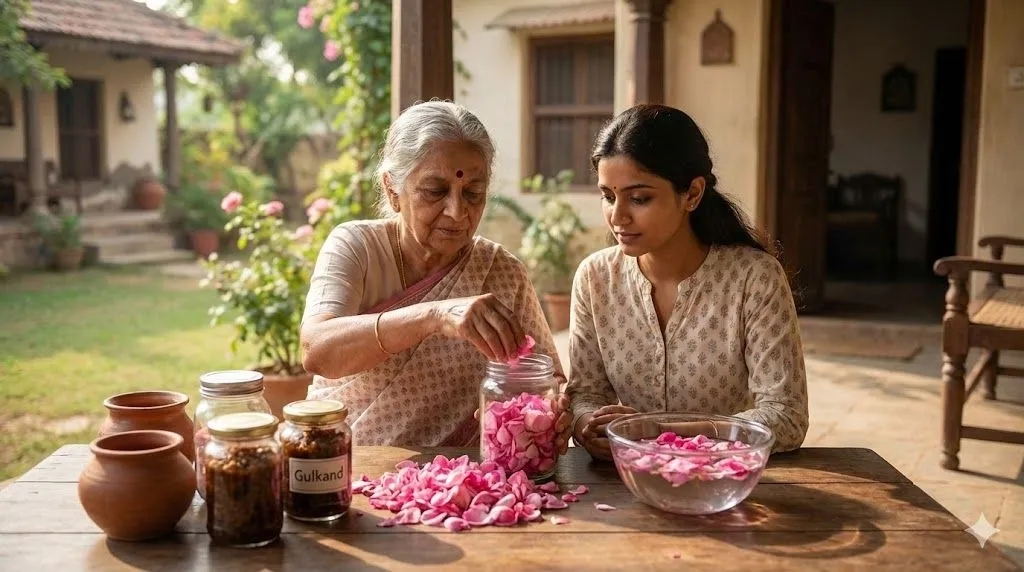
Edible roses are not a new idea in India. They were used centuries ago in Ayurveda and Unani practices. Rose petals were added to sharbat, gulkand, and sweets. Old texts mention roses for cooling the body. Kings and queens consumed rose preparations during summers. Even temples offered rose-based drinks. Today, people are rediscovering this habit. Many elders say roses were part of childhood diets. Nutrition experts confirm roses were never just decoration. Social media users comment that modern food forgot simple traditions. Now people ask, why did we stop eating what our ancestors trusted?
Antioxidant Power Of Rose Petals Gains Attention
Rose petals are rich in antioxidants which help protect the body from damage & doctors say antioxidants support skin health and immunity. Rose petals also contain vitamin C in small amounts which helps fight infections. Earlier, rose water was used to refresh tired faces. Now nutritionists explain the science behind it. Many health bloggers share facts about roses reducing inflammation. People comment that roses help them feel lighter. Some users say they noticed better skin after using rose-based foods. Experts advise using pesticide-free petals only. Safety matters as much as tradition.
Digestive Benefits Of Eating Roses Explained
Digestion issues are common today. Rose petals are known to support digestion. Gulkand is a popular example. It helps reduce acidity and constipation. Ayurveda mentions roses as cooling agents for the stomach. Earlier households prepared gulkand at home. Today packaged versions exist. Doctors say rose petals help balance gut heat. Many people comment online that gulkand gives relief after spicy meals. Some mothers say they give rose-based food to children during summers. Experts suggest small quantities are enough. Overuse can reduce benefits. Balance remains important.
How People Are Adding Edible Roses To Modern Diet
People today use roses in creative ways. Rose petal tea is becoming popular. Smoothies with rose powder are trending. Bakers use edible roses in cakes. Chefs say roses add mild flavour and aroma. In old times, roses were mixed with milk. That tradition continues. Many home cooks share recipes online. Some users say rose drinks help them sleep better. Nutrition experts say rose-based foods should remain natural. Artificial flavours do not give benefits. People advise checking labels carefully. Natural petals bring real results, not synthetic ones.
Public Reactions And Growing Interest Around Edible Roses
Edible roses are now discussed widely online. Health influencers talk about rose detox drinks. Some users question if it is safe. Doctors clarify that edible roses are safe when clean. People comment that roses feel calming. Many say this trend reminds them of grandmother recipes. Food historians say roses were common in Mughal kitchens. Restaurants now reintroduce rose dishes. Experts believe traditional foods are returning slowly. People ask why modern diets ignore simple ingredients. Roses may not cure everything, but they support gentle healing. Awareness is now spreading steadily.
