



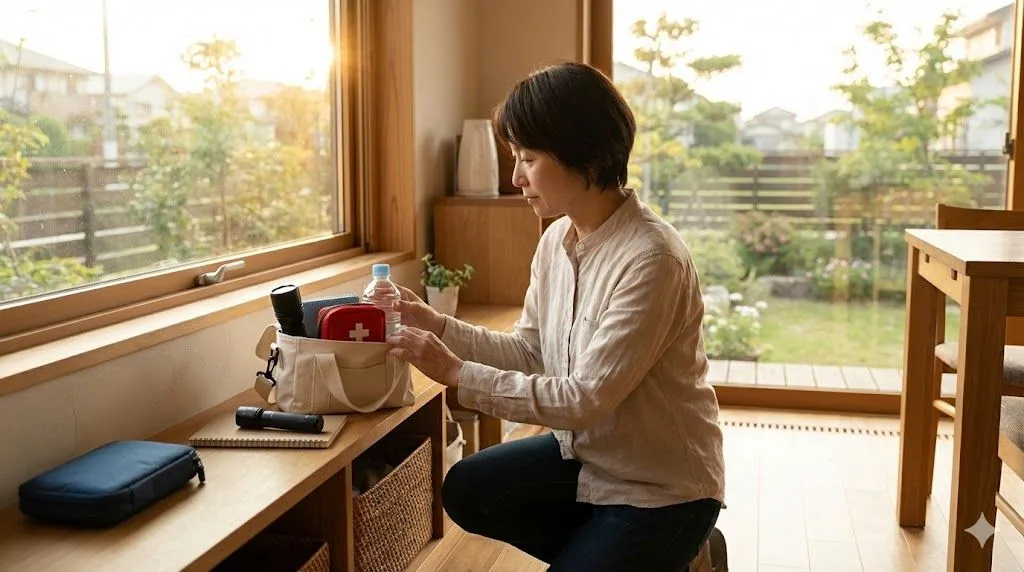
Is being ready only for storms and earthquakes? Or is it also for daily life stress? Experts say preparedness thinking trains the brain to stay calm. When a person plans for emergencies, fear reduces. Mind feels in control. This lowers anxiety levels. Earlier generations stored grains, water, and medicines for safety. That habit protected both body and mind. Today the same logic is returning. Preparedness is now seen as a wellness skill and not only a survival plan.
How Readiness Improves Mental Strength
Can planning really improve mood? Doctors say yes. The brain likes certainty. When people prepare kits or plans, stress hormones drop. This creates mental stability. People feel secure. That security improves focus. Psychologists explain that readiness habits train problem solving skills. Such skills help in daily life challenges too. A person who plans for emergencies usually plans work and health better. This shows preparedness is not fear based. It is confidence based thinking.
Everyday Preparedness Habits People Follow
What do prepared people actually do daily? They keep simple habits. They drink enough water. They sleep on time. They maintain fitness. Why? Because a healthy body responds faster in crisis. Many also keep emergency bags ready. Some practise quick response drills at home. Families discuss safety plans. These actions build discipline. Discipline improves heart health and stamina. Health experts confirm that routine and readiness often go together.
Physical Health Benefits Behind The Idea
Is there science behind this concept? Yes. Prepared living supports body systems. Regular sleep improves immunity. Organized homes reduce accident risk. Fitness training builds muscle strength. Strong muscles help during emergencies like evacuation. Doctors say active bodies recover faster from injury. Prepared individuals also keep medical records ready. This helps during hospital visits. Such habits save time and reduce panic. Small safety steps quietly support long term physical wellness.
Why Experts Call It The New Wellness Formula
So why are specialists discussing this idea now? Climate changes increased natural disasters globally. Health experts noticed something interesting. People who prepared early showed better emotional stability during crises. They handled stress better. Their recovery time was shorter. Researchers concluded readiness works like preventive medicine. It protects mind before fear starts. It protects body before illness spreads. That is why professionals say preparedness is not panic. It is a smart wellness strategy.
