



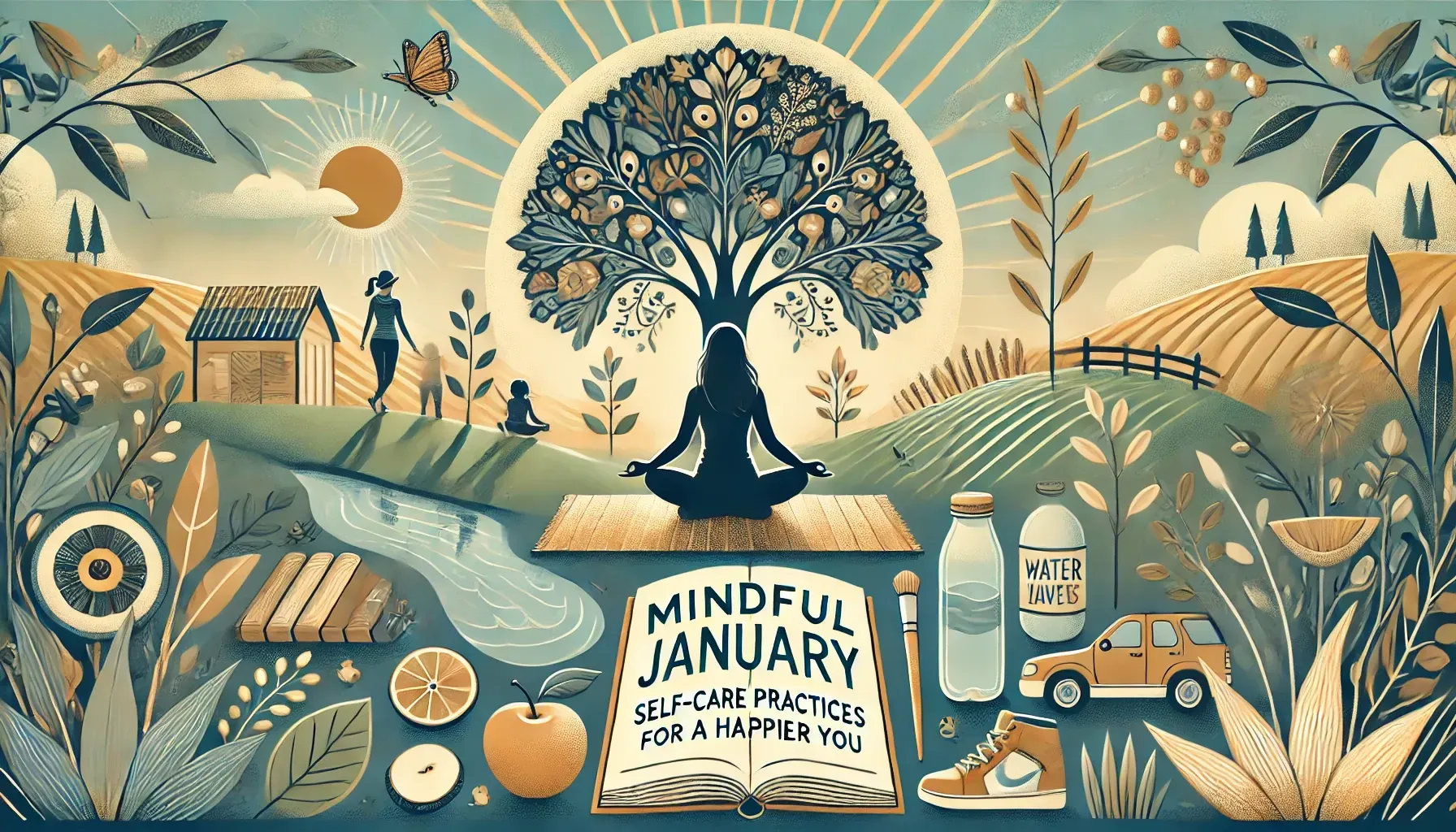
India (12 January): Mental wellness is about finding peace within yourself. It helps you deal with stress, stay focused, and maintain a happy mind. While physical health often takes centre stage, mental health is equally important. Historically, practices like yoga and meditation from India have been celebrated worldwide for their calming effects. These methods are not just exercises but a way of life to strengthen your mind.
Table of Contents
1
Start Your Day with Mindfulness
2
Eat Right to Feel Right
3
Take Breaks to Recharge
4
Physical Activity for a Healthy Mind
5
Journaling Your Thoughts
6
Create a Gratitude Routine
7
Set Boundaries and Say No
8
Sleep Well, Stress Less
9
Connect with Loved Ones
Start Your Day with Mindfulness
Morning is the best time to set the tone for your day. Practising mindfulness early can make a big difference. Take five minutes to sit quietly, breathe deeply, and focus on your thoughts. A few centuries ago, Indian sages called this "pranayam," which means "controlling your breath." This small daily habit can help you feel calmer and more in control throughout the day.
Eat Right to Feel Right
The food you eat has a big impact on your mental health. A balanced diet filled with fruits, vegetables, and nuts can help reduce stress and improve mood. Ancient Indian practices like Ayurveda emphasised eating foods that calm the mind, such as milk, rice, and almonds. Even today, these foods can make you feel happier and less anxious.
Take Breaks to Recharge
In a world full of distractions, taking breaks can feel like a luxury. However, stepping away from work or studies can help your brain rest and recharge. Remember the old Indian tradition of "dopahar ki neend" – a short nap in the afternoon? Even a ten-minute break to stretch or take a walk can refresh your mind and improve focus.
Physical Activity for a Healthy Mind
Exercise doesn’t just keep your body fit; it also helps your brain stay sharp. Activities like walking, dancing, or practising yoga can release happy hormones in your brain. In India, yoga has been a symbol of physical and mental wellness for centuries, showing how movement can bring inner peace.
Journaling Your Thoughts
Writing down your feelings is a great way to manage stress. A journal can help you organise your thoughts and reflect on your emotions. Many poets and writers in Indian history used their words to express their struggles, finding healing through writing. You don’t have to be a poet—just jot down whatever is on your mind.
Create a Gratitude Routine
Focusing on what you are thankful for can shift your mind to positivity. In the old days, families in India used to gather every evening and express gratitude during prayers. Even today, writing down three things you’re grateful for each day can help you feel happier and more content.
Set Boundaries and Say No
Sometimes, protecting your mental health means saying no to things that stress you out. Setting boundaries at work, school, or even with friends is crucial. Think about the ancient Indian saying, "Ati sarvatra varjayet," which means excess of anything is harmful. Balance your time and energy wisely.
Sleep Well, Stress Less
A good night’s sleep is the foundation of mental wellness. Sleep allows your mind to rest and recover. Did you know that in traditional Indian homes, families would end the day with calming activities like listening to soft music or storytelling? These practices helped everyone relax and sleep better.
Connect with Loved Ones
Spending time with family and friends can boost your mood. In Indian culture, relationships and community are central to happiness. Whether it’s sharing a meal or just talking about your day, these small connections can make you feel supported and loved.
This January, embrace these practices for a healthier, happier you. Let mindfulness guide your journey, and remember, every small step counts.
