



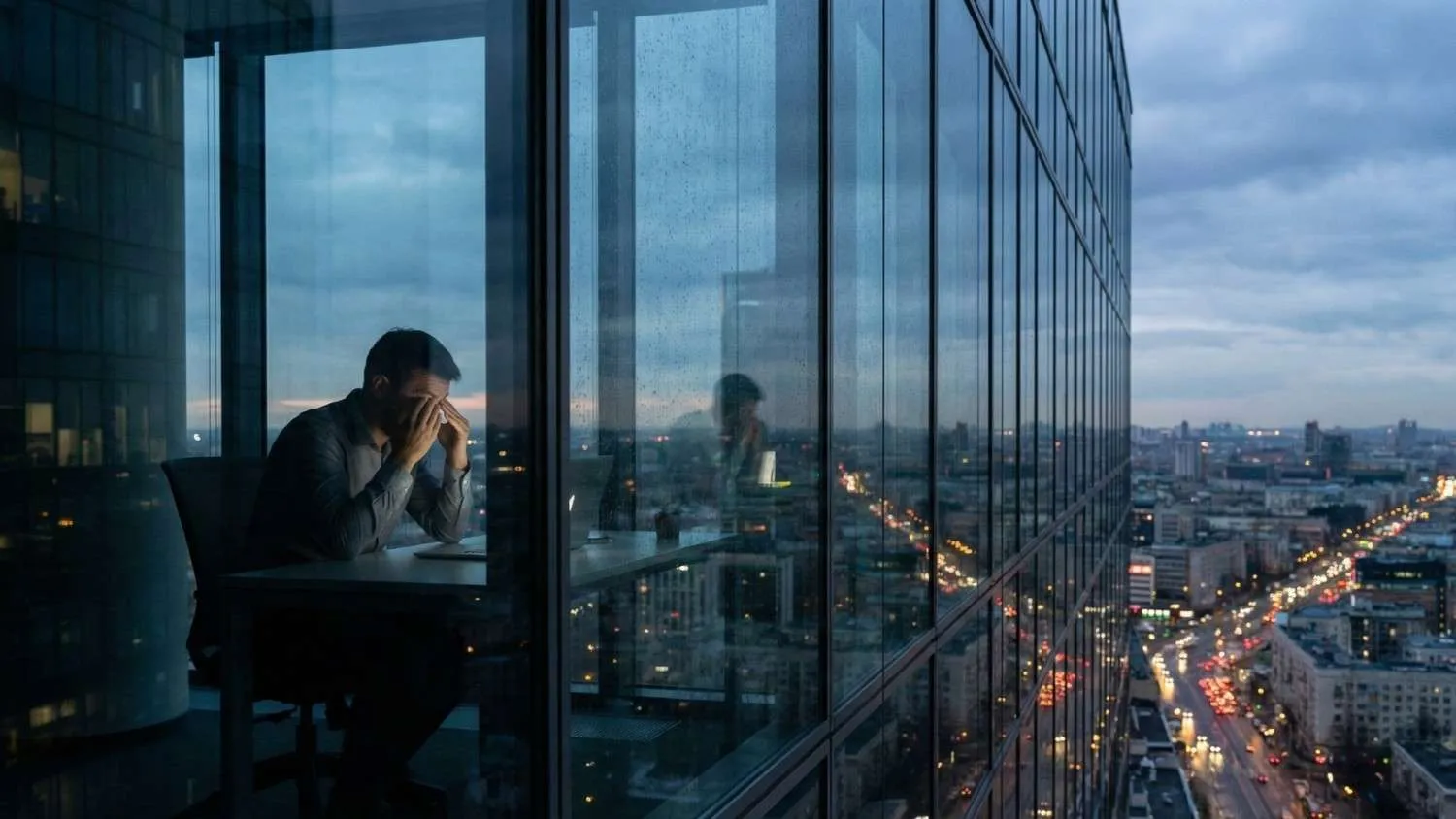
Burnout is no longer rare. Office workers report it. Students feel it. Even homemakers talk about it.
Long work hours are one reason. Constant phone use is another. Emails never stop. Notifications never sleep. The World Health Organization recognised burnout as a work related condition in 2019. That was a big moment. It showed burnout is not laziness. It is a health issue linked to stress.
People feel tired even after rest. Motivation drops. Focus becomes weak. These signs appear slowly. Many ignore them. Society often praises overwork.
Evolutionary Science Offers A Different View
Human bodies evolved for survival, not spreadsheets. Early humans worked in short bursts. They rested often.
Stress helped them escape danger. It was temporary. Today, stress stays all day. The nervous system stays alert for too long. Scientists say burnout may be a warning signal. Like pain tells us to stop touching fire.
Burnout tells us something is wrong. It pushes the body to slow down. Heart rate changes. Sleep gets disturbed. Appetite shifts. These are not failures. These are signals from an overworked system asking for safety.
History Shows Burnout Is Not New
Burnout did not begin with laptops. During the Industrial Revolution, factory workers reported exhaustion. Writers in the 1800s used words like nervous weakness. Office stress appeared in the 1950s. Corporate culture grew fast. Long hours became normal. In India, the IT boom changed work life.
Global clients meant night shifts. Productivity became identity. Over time, rest felt guilty. History shows one pattern. When work systems change faster than human limits, burnout follows. The body reacts before the mind accepts it. That reaction is often misunderstood.
Why People Blame Themselves Instead Of Systems
Many workers think burnout means they are weak. That belief is dangerous. It shifts blame from systems to individuals. High targets. Low control. Poor work life balance.
These factors matter. Research shows lack of autonomy increases stress. Fear of job loss adds pressure. Social media adds comparison stress. People hide burnout to look strong. They smile in meetings. Inside, they feel empty.
Burnout thrives in silence. When everyone pretends they are fine, the problem looks personal. In reality, it is often structural and shared by many.
Medical Experts Focus On Nervous System Health
Doctors now study burnout through the nervous system. Chronic stress affects cortisol levels. This hormone controls energy and mood. When imbalance happens, fatigue increases. Memory suffers. Emotional control weakens.
Experts suggest changes, not just rest. Clear work boundaries help. Regular sleep helps. Physical movement calms the nervous system. Social support matters. These are not luxury habits. They are biological needs. Burnout recovery is not about quitting ambition. It is about aligning work with human capacity. Facts show healthier workers perform better long term.
