


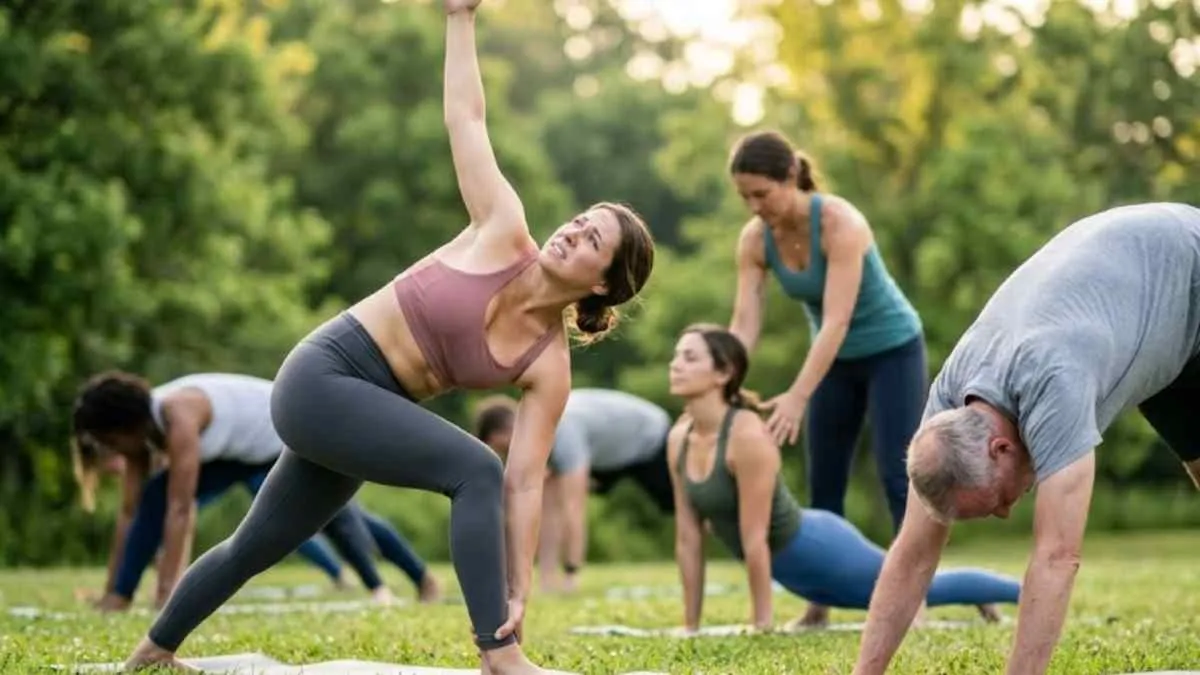
International Yoga Day 2026 is inspiring millions of people to roll out their mats and begin their wellness journey. Yoga offers several benefits, including better flexibility, reduced stress and improved strength. However, experts say beginners often make mistakes that can increase the risk of muscle strain and other injuries if they are not careful.
While yoga is generally considered a safe form of exercise, incorrect posture, poor alignment and trying advanced poses too soon can do more harm than good. On International Yoga Day 2026, here are seven common mistakes you should avoid.
International Yoga Day 2026: 7 Common Mistakes To Avoid
1. Skipping Warm-Up Before Starting
Many beginners jump straight into Surya Namaskar or difficult poses without preparing their bodies. Cold muscles are more prone to strains and injuries.
Start with five to ten minutes of gentle stretching, neck rolls and breathing exercises before beginning your yoga session. Experts recommend warming up to improve flexibility and blood circulation.
2. Forcing Your Body Into Difficult Poses
One of the biggest mistakes beginners make is trying to copy advanced yoga poses seen on social media. Yoga is not a competition.
Pushing beyond your body's limits can lead to lower back pain, hamstring injuries and shoulder strain. Progress should be gradual and pain should never be ignored.
3. Holding Your Breath During Poses
Breathing is an essential part of yoga. Many beginners unknowingly hold their breath while balancing or stretching.
Experts say proper breathing helps relax muscles and improves posture. Deep and steady breathing also helps reduce stress and anxiety.
4. Ignoring Proper Alignment
Incorrect alignment may not cause pain immediately, but it can create long-term problems for the spine, knees and shoulders.
For example, improper positioning in Downward Dog or Warrior Pose can put unnecessary pressure on joints. Beginners should focus on form rather than flexibility.
5. Comparing Yourself To Others
Seeing experienced practitioners perform advanced poses can be intimidating. Trying to match their flexibility often results in overstretching and injuries.
Every body is different. Experts advise focusing on your own progress and practicing with patience.
6. Avoiding Yoga Props And Modifications
Many beginners think yoga blocks, straps and cushions are only for experts. In reality, these props provide support and help maintain proper posture.
Using modifications can make poses safer and prevent unnecessary stress on muscles and joints.
7. Skipping Cool-Down And Relaxation
After completing yoga, many people immediately return to their daily activities. Skipping cool-down exercises and Savasana prevents the body from recovering properly.
A few minutes of relaxation help lower stress levels, calm the mind and allow the body to absorb the benefits of the session.
International Yoga Day 2026 is a great opportunity to adopt healthier habits. Experts say yoga should never feel painful or rushed. Instead of chasing perfect poses, beginners should focus on proper technique, breathing and consistency.