


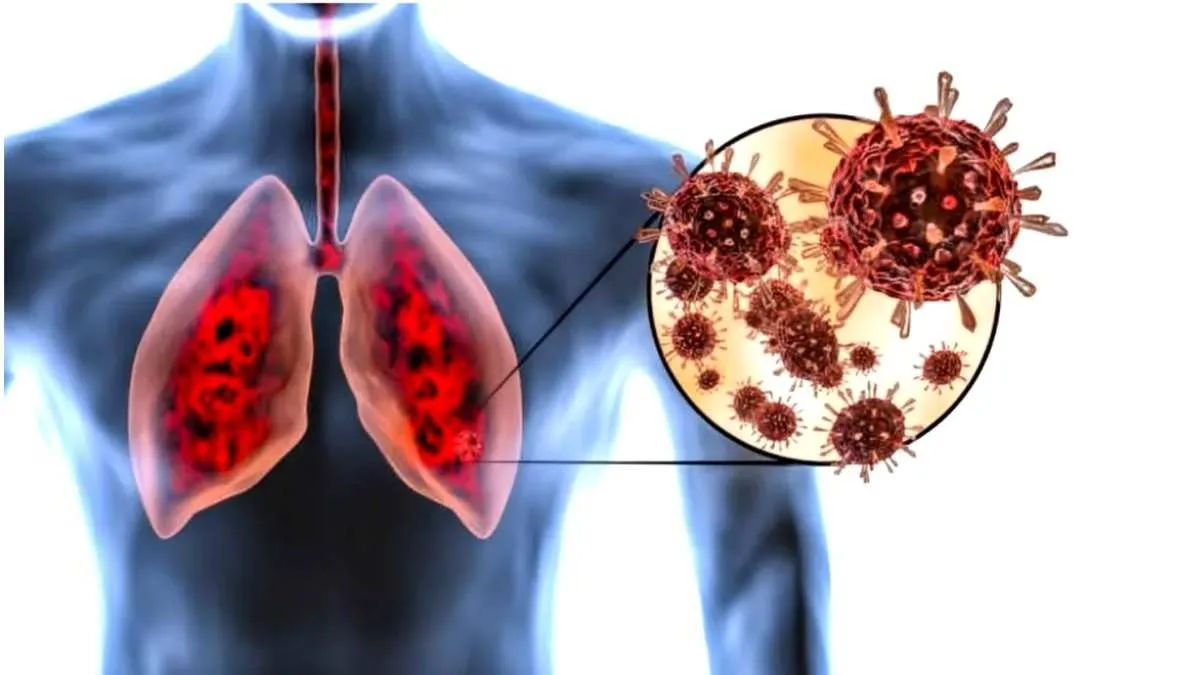
The word Hantavirus is once again grabbing attention online and raising concerns among people. While many are worried about the virus, doctors say there is no reason to panic. Experts believe awareness and proper precautions are the best ways to stay safe.
In a recent video shared on her YouTube channel, AIIMS doctor Dr Priyanka Sehrawat explained that Hantavirus is not a new disease. However, it is currently being discussed as a public health concern because of its serious complications and high mortality rate in severe cases.
According to the doctor, the chances of Hantavirus turning into a pandemic are extremely low. She advised people to stay informed instead of getting scared.
Hantavirus Symptoms And How It Spreads
Dr Priyanka Sehrawat explained that Hantavirus mainly spreads from rodents to humans. Human-to-human transmission is considered very rare and has only been seen in specific variants such as the Andes virus.
She added that close and prolonged contact with an infected person is usually needed for such transmission to happen. Isolated cases of Hantavirus have reportedly been documented since 1993. In 1995, the World Health Organization (WHO) also declared it a notifiable disease.
The doctor listed several symptoms linked to Hantavirus, including:
- Fever
- Body aches
- Chills and shivering
- Vomiting
- Diarrhea
However, she warned that the virus can become dangerous if complications develop. In severe cases, it may lead to fluid buildup in the lungs, respiratory failure, and kidney damage.
Dr Sehrawat stated that the mortality rate linked to serious Hantavirus infection is approximately 40%, making it a high-risk illness in complicated cases.
Hantavirus Prevention Tips Shared By Doctor
The AIIMS doctor also shared important steps people can follow to reduce the risk of infection.
Here are some key precautions:
- Wear masks while visiting crowded or public places.
- Avoid cleaning dry rodent droppings directly.
- Wet the area first before cleaning to prevent particles from spreading in the air.
- Keep homes and kitchens free from rodent infestation.
The doctor noted that rodents are linked not only to Hantavirus but also to several bacterial infections, including leptospirosis.
She stressed that awareness, cleanliness, and proper hygiene are important to stay protected. While the virus sounds alarming, experts continue to remind people that panic is unnecessary and informed precautions are enough for safety.