



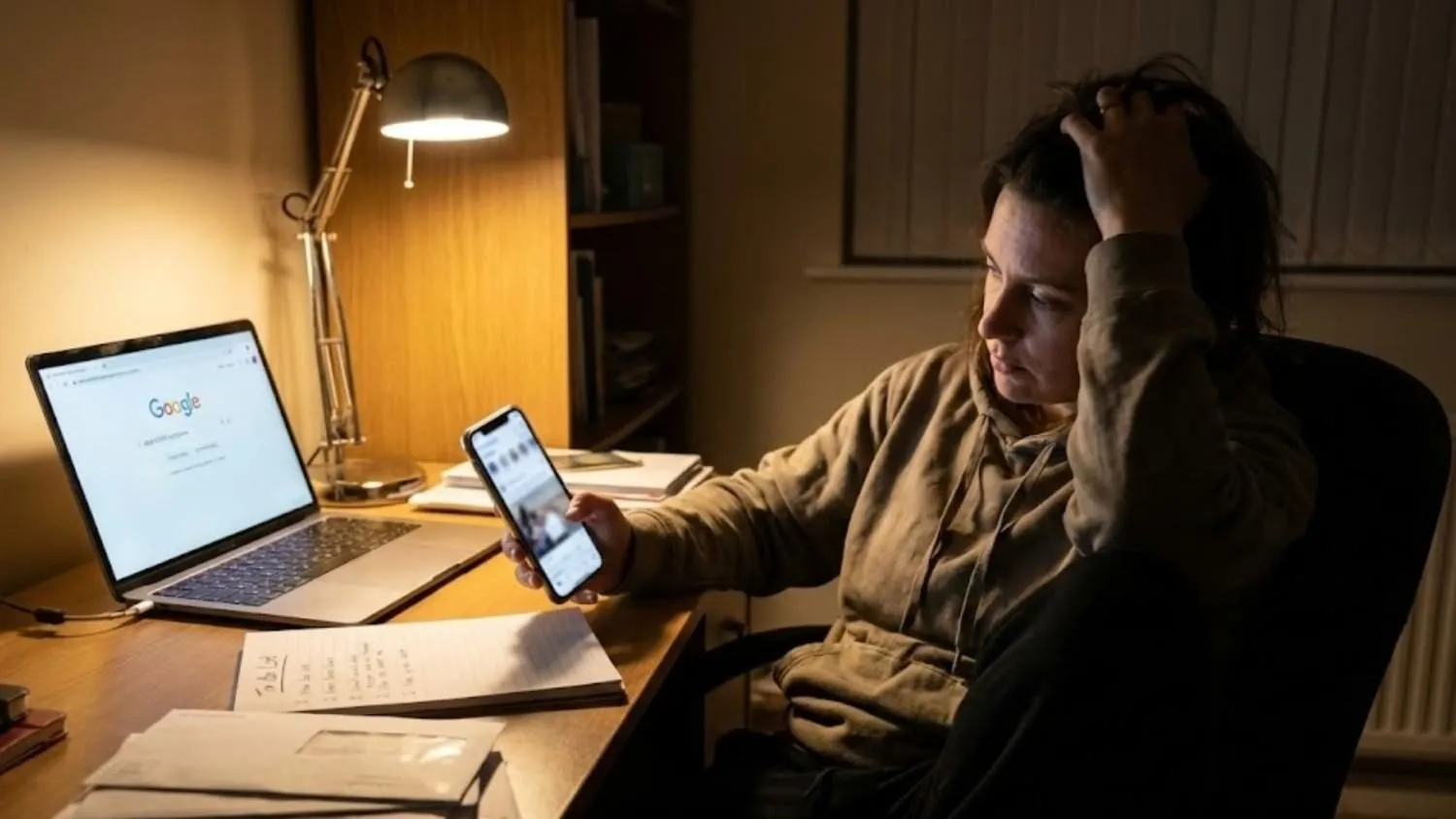
Ever catch yourself scrolling for hours, forgetting tasks, missing deadlines? And then wondering, do I have ADHD too? Social media makes it feel familiar. One video lists signs. Another confirms them. Suddenly, everything makes sense. Or does it?
Many adults are asking this question quietly. Is this real ADHD finally being noticed? Or are daily stress and online content mixing up the picture? The line between a medical condition and modern life starts to blur these days.
Adult ADHD Diagnoses Are Rising Worldwide
Doctors across countries report more adults seeking ADHD diagnosis. Clinics see long waiting lists. Many patients are in their twenties and thirties. Earlier, ADHD was linked mostly with children.
Hyperactivity in classrooms was the focus. Adults were ignored. Research later showed ADHD can continue into adulthood. Symptoms change. Restlessness becomes mental overload. Focus becomes harder.
Work pressure exposes these issues. Increased awareness plays a role. More doctors are trained now. Diagnosis tools are also better. Numbers are rising, but the reasons are layered.
Social Media Changed How ADHD Is Understood
Short videos explain ADHD in seconds. Forgetfulness, zoning out, late replies. People relate quickly. Comments fill with, this is me. That creates connection but also confusion.
Medical experts warn about oversimplification. ADHD diagnosis needs proper evaluation. Social media often skips that step. Algorithms push relatable content. It spreads fast. Viewers may label themselves without tests.
This does not mean people are faking. It means information is incomplete. Awareness increased, but accuracy sometimes dropped. Doctors now spend time correcting online myths.
History Shows ADHD Was Always Underdiagnosed In Adults
ADHD is not new. Medical texts from the early 1900s described attention disorders. In the 1980s, diagnostic manuals focused on children. Adults were missed. Many learned to cope silently.
They struggled at work. Relationships suffered. Labels like lazy or careless were common. In India, mental health discussions were limited. Cultural pressure reduced reporting.
As psychology evolved, adult ADHD gained recognition. This historical gap explains today’s surge. People are finally naming what was ignored before. The rise reflects access, not sudden creation.
Why Normal Stress Feels Like ADHD Symptoms
Modern life overloads the brain. Constant notifications break focus. Long work hours cause fatigue. Sleep patterns are poor. These factors mimic ADHD signs. Poor focus. Memory slips. Mental fog.
Doctors highlight this overlap. Not every distraction is ADHD. Diagnosis requires childhood history. It also needs behaviour patterns across settings. Social media rarely mentions this.
Stress related issues improve with rest and routine. ADHD does not. This difference matters. Confusing the two delays proper care. Medical evaluation helps separate trends from conditions.
Experts Call For Balance Between Awareness And Accuracy
Psychiatrists agree awareness is helpful. Stigma is reducing. More people seek help. That is positive.
But self diagnosis has limits. Medication misuse is a risk. ADHD treatment needs monitoring. Therapy plays a role too. Experts suggest structured assessments. Clinical interviews matter. Brain scans are not enough. Online content should encourage testing, not labels.
Facts show real ADHD affects daily functioning deeply. It is not a personality type. The goal is support, not trend chasing. Awareness works best when guided by medical facts.
