



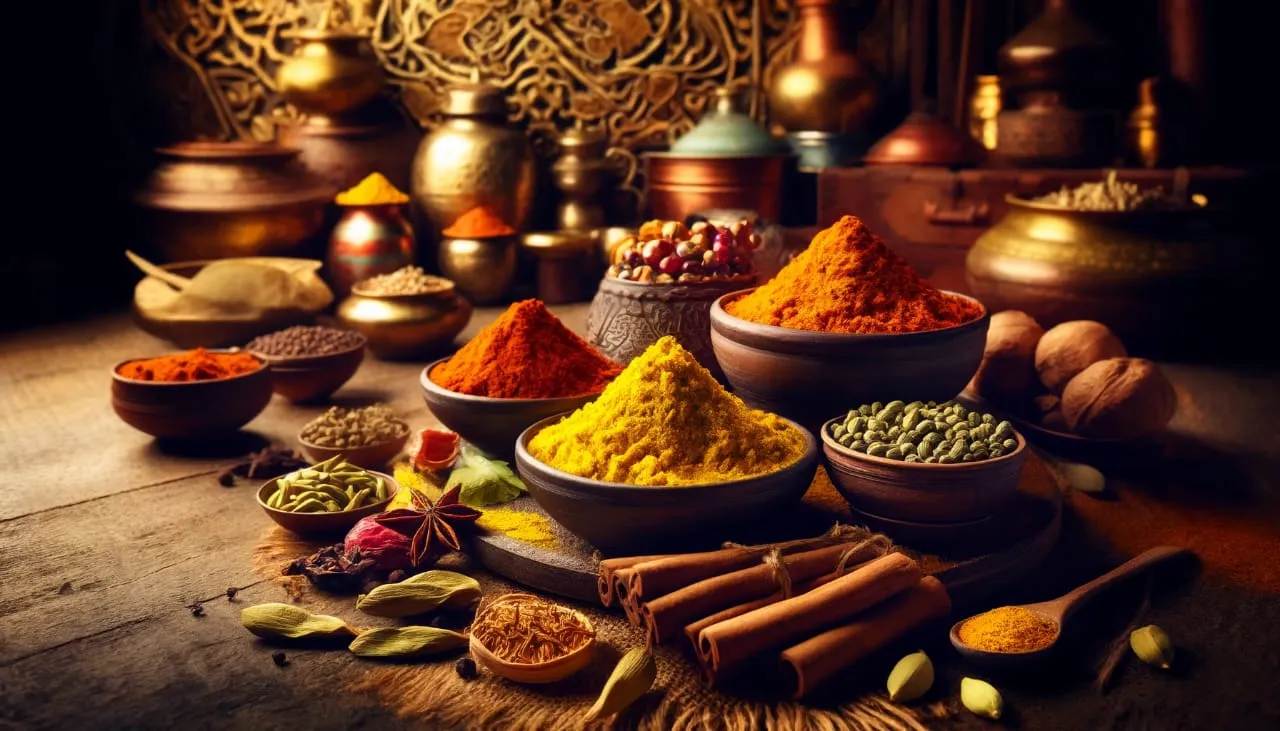
India (18 January, 2025): In every Indian household, the kitchen is a place of magic where ordinary ingredients are transformed into extraordinary dishes. At the heart of this transformation lie the vibrant and aromatic masalas that bring life to every meal. These masalas are not just spices but a blend of history, tradition, and culture, passed down through generations. With a pinch of these spices, even the simplest dish can turn into a burst of flavors.
Here are the three essential Indian masalas that have the power to elevate your everyday meals into something truly special.
Table of Contents
1
Garam Masala: The Heart of Every Dish
2
Turmeric: The Golden Touch
3
Cumin: A Spicy Twist for Any Meal
Garam Masala: The Heart of Every Dish
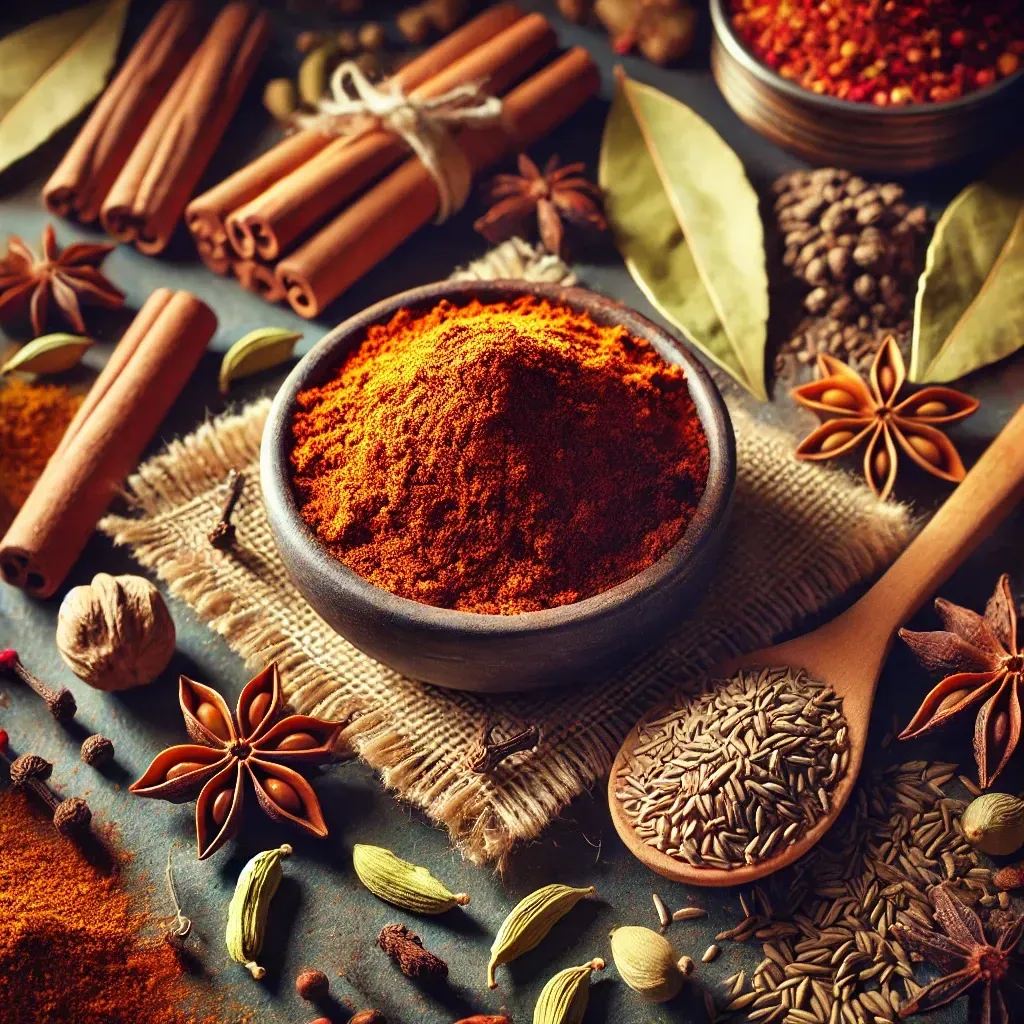
Garam Masala is an essential part of Indian kitchens. Its warm, earthy flavor enhances both vegetarian and non-vegetarian dishes. This mix of ground spices such as cardamom, cinnamon, cloves, and cumin has been a staple in Indian cooking for centuries. It adds a comforting, rich aroma to curries, rice, and even soups. In ancient times, this masala was used not only for taste but also for its medicinal properties, aiding digestion and boosting immunity. Just a pinch of Garam Masala can take your regular dal or sabzi to a whole new level!
Turmeric: The Golden Touch
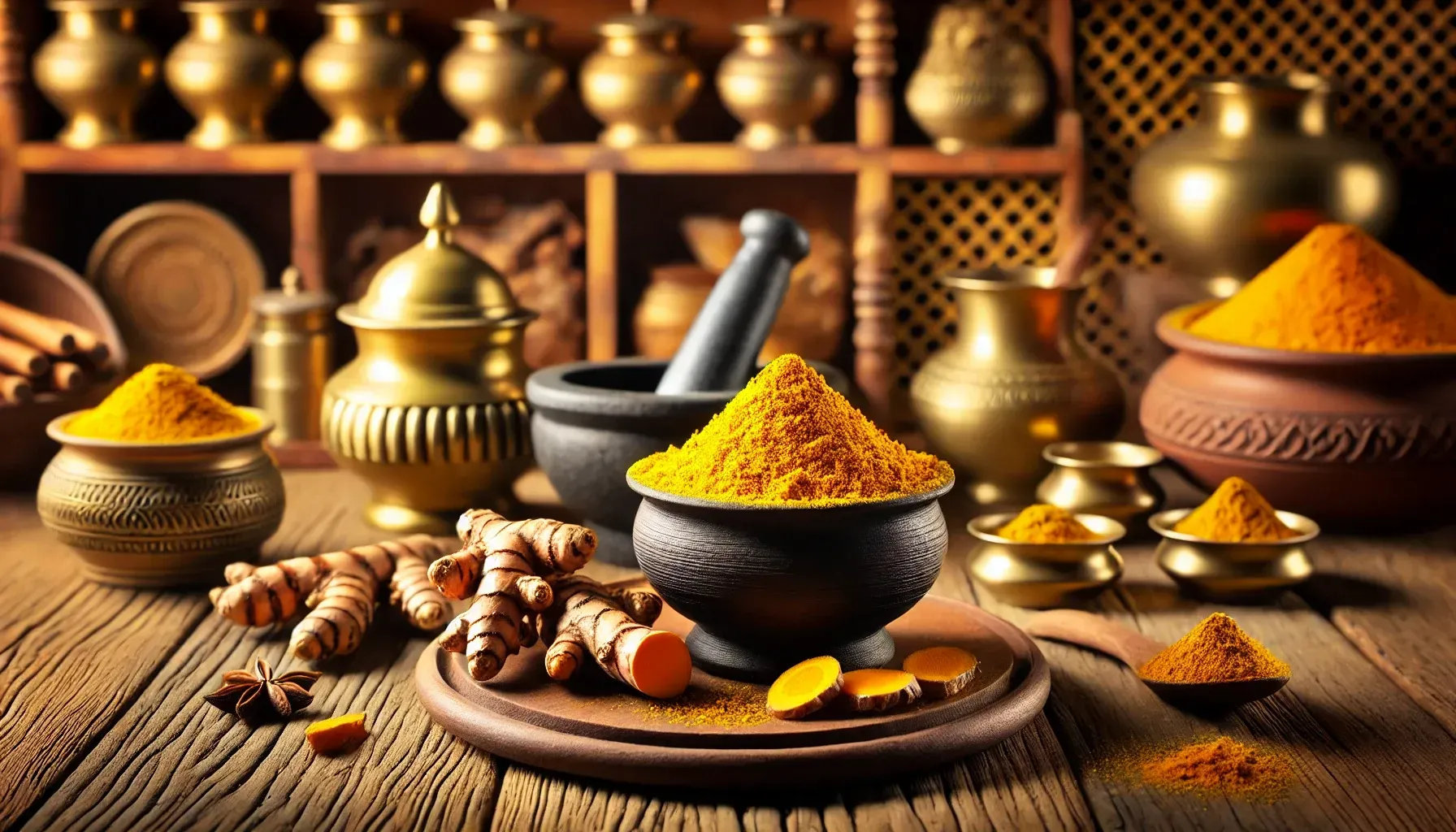
Turmeric, often called "haldi," is another key ingredient in Indian kitchens. It’s more than just a spice; it’s a tradition that dates back thousands of years. Known for its vibrant yellow color and distinct earthy flavor, turmeric is used in a variety of dishes, from curries to rice and even teas. Beyond its flavor, turmeric has been cherished for its healing properties, especially for its anti-inflammatory and antioxidant qualities. A touch of turmeric in any meal not only boosts flavor but also provides several health benefits, making it a must-have in every Indian home.
Cumin: A Spicy Twist for Any Meal
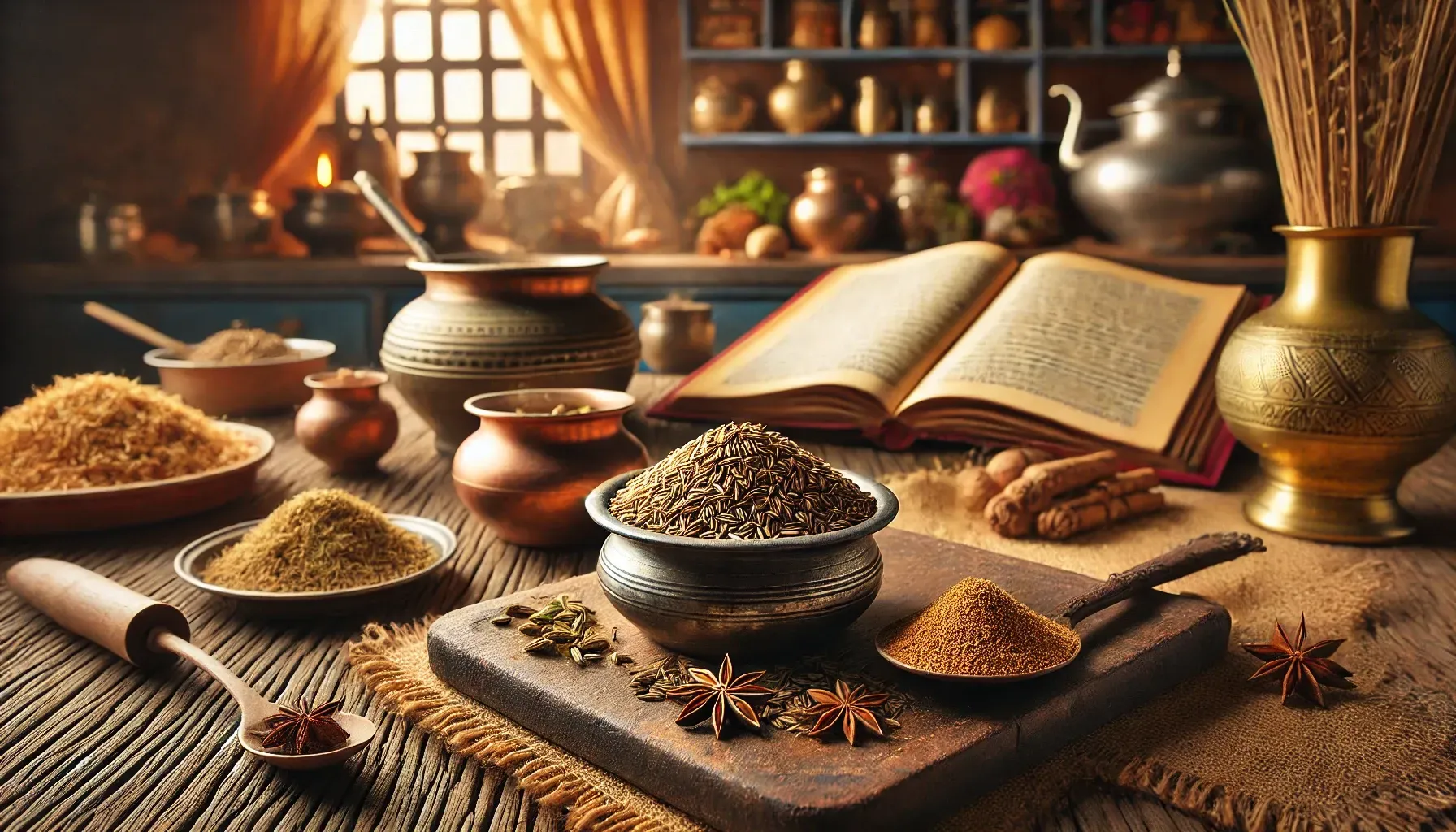
Cumin, or "jeera," is another indispensable masala that transforms everyday meals. Whether whole or powdered, cumin adds a smoky, earthy flavor to dishes. It is often used in tempering, where it’s fried in hot oil to release its essential oils and then added to curries, dals, and rice. Cumin has been part of Indian cooking since ancient times, often mentioned in Ayurvedic texts for its digestive benefits. Just a sprinkle of cumin can bring out the natural flavors of vegetables and meats, turning even a simple stir-fry into a flavorful delight.
This blend of spices is not just about flavor, but also about tradition. Indian masalas like Garam Masala, Turmeric, and Cumin have been passed down through generations, offering more than just taste. They bring a sense of history, culture, and health to your meals. By adding these spices to your dishes, you can easily elevate them, making each meal feel like a special occasion.
