



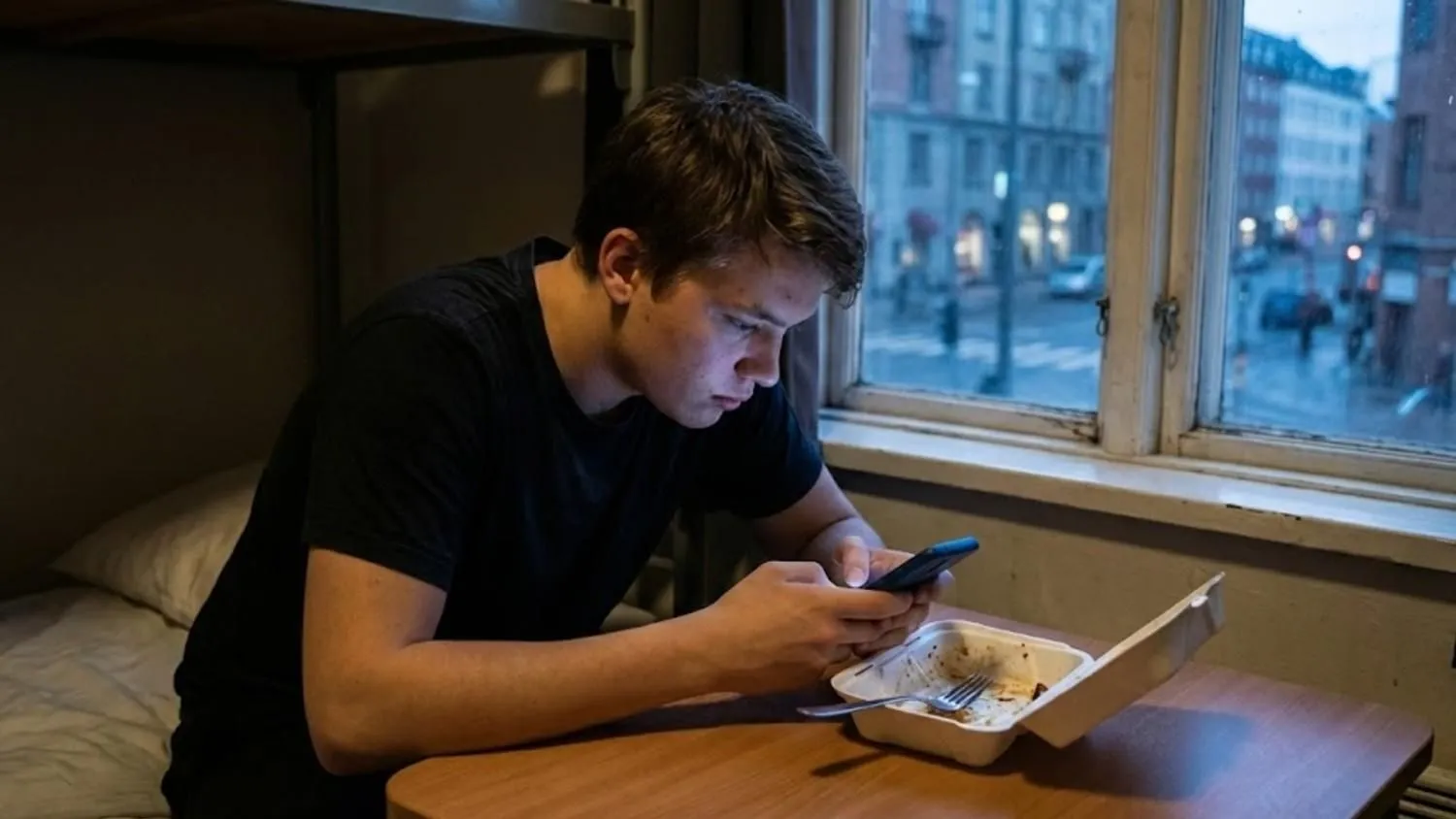
Have you ever eaten your meal alone while scrolling on your phone? Or finished food quickly because no one was around to talk to? Many people do this every day. Hostel rooms. PG kitchens. Office desks.
It feels normal now. But have you noticed feeling heavy after eating? Or hungry again very soon? Doctors say this is not about feeling lonely. It is about how the body reacts when meals lose company.
Eating alone changes digestion signals. It changes hunger control. The body starts behaving differently, even if food stays the same.
Eating Together Was Once a Human Habit
For many years, humans ate together. Families sat on floors. Villages shared meals. Food was not rushed. Health experts say this habit helped digestion and hunger control.
When people eat alone every day, the body notices the change. The brain misses social signals. The stomach reacts faster. Studies show that shared meals slow down eating speed. This helps food break down well.
Eating alone often means eating fast. Fast eating confuses digestion. The stomach feels full later. This is not loneliness. It is biology responding to silence at the table.
How Solo Eating Affects Digestion Process
Doctors explain that digestion starts in the brain. Seeing food. Smelling food. Talking while eating. All this prepares the stomach. When a person eats alone, this process becomes weak.
The body releases fewer digestive juices. Food stays heavy for longer time. Many people ask, why do I feel bloated even after small meals? The answer often lies in eating alone and fast.
Chewing reduces. Swallowing increases. The gut struggles. Over time, this can cause gas, acidity, and irregular bowel habits. The body is eating, but not enjoying.
Appetite Signals Get Confused Without Company
Why do people overeat alone? Or sometimes eat very less? Health researchers say appetite control depends on routine and signals. When eating with others, meal timing stays fixed.
Portion size feels natural. Alone eating breaks this system. People eat while watching screens. Attention moves away from food. The brain does not register satisfaction. Later hunger comes back quickly. This leads to frequent snacking.
Some people skip meals fully. Both are harmful. The body likes patterns. Solo eating daily removes those patterns. Hunger hormones start misbehaving. Weight changes slowly. People often do not notice.
Food Satisfaction Drops When Meals Feel Mechanical
Ever asked why food tastes boring when eaten alone? Nutrition experts say taste is not only on the tongue. It is also emotional and social. Talking while eating increases satisfaction.
The brain releases feel good chemicals. Alone eating feels like a task. Bite. Chew. Finish. That’s it. Over time, people stop enjoying food. This pushes them toward very spicy or junk food for excitement.
Healthy food feels dull. Satisfaction drops. The body eats more to feel happy. This cycle increases unhealthy choices. The problem is not food quality. It is the eating environment.
Modern Lifestyle Made Solo Eating Normal
Office jobs. Hostels. PG rooms. Late shifts. All this made solo eating common. Earlier, even workers ate together. Now meals happen between calls.
History shows that community meals were part of Indian culture. From langars to family thalis. Eating alone daily is very new for the human body. Doctors are now noticing links with digestion issues and appetite problems.
The solution is not big changes. Even one shared meal helps. Eating without screens helps. Slow eating helps. The body remembers old habits quickly. It just needs company again.
