



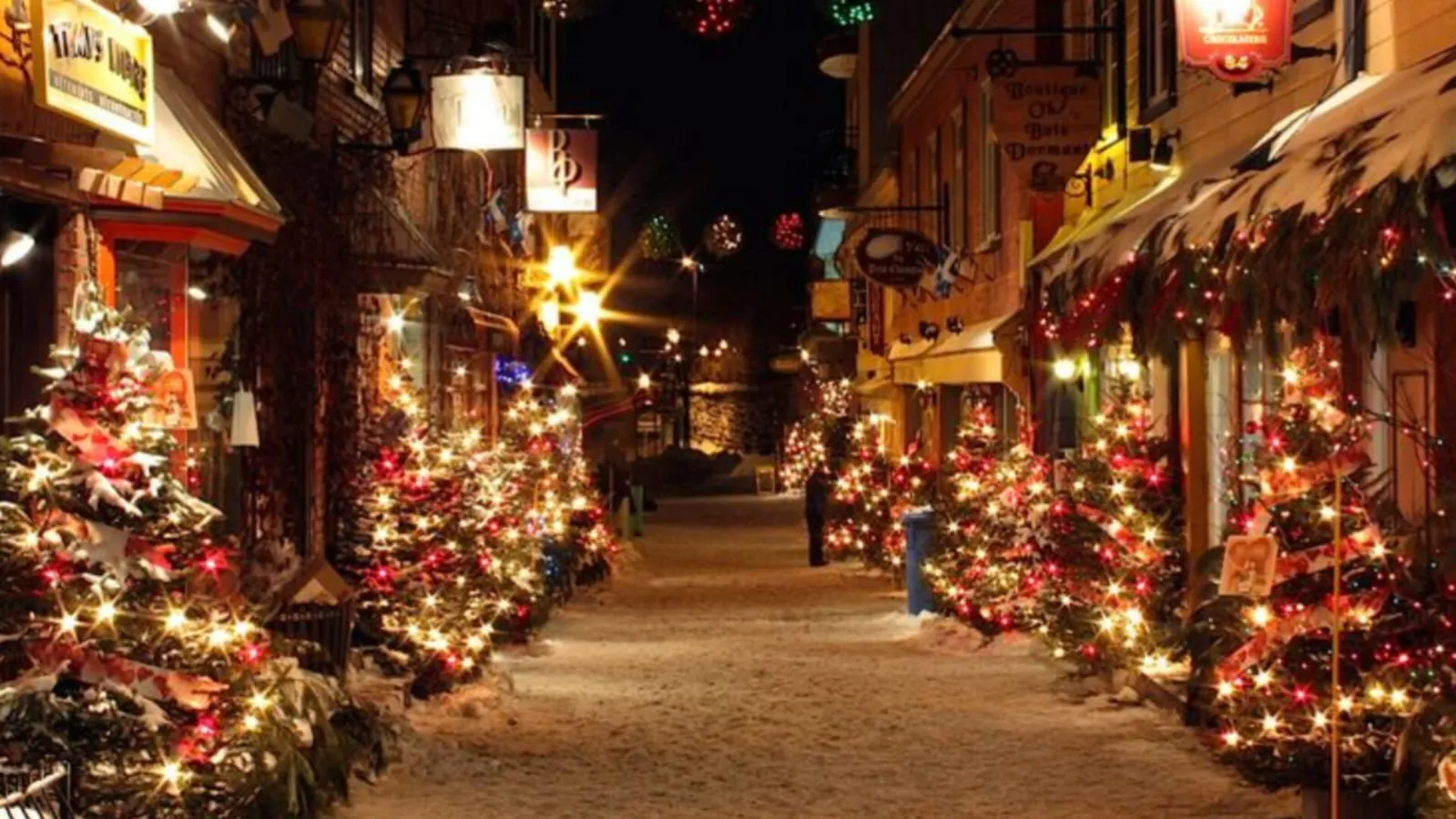
December marks the beginning of the festive season across the world, and Christmas stands out as one of the most widely celebrated festivals of the year. Streets light up, homes are decorated, and a shared spirit of joy fills the air. But beyond the celebrations, Christmas holds deep religious, cultural, and historical importance for millions of people globally.
What Is Christmas and Why Is It Celebrated?
Christmas is a major Christian festival observed every year on December 25. It commemorates the birth of Jesus Christ, whom Christians believe to be the Son of God and the promised Messiah. According to Christian belief, Jesus was born to Mary and Joseph in a manger over 2,000 years ago. Biblical accounts describe angels announcing his birth, shepherds visiting him, and carols being sung to mark the moment, making it a pivotal event in Christian history.
The birth of Jesus is considered a turning point in Christianity, symbolising hope, salvation, and divine love. For believers, Christmas is not just a celebration but a reminder of faith, compassion, and humility.
Meaning and Origin of the Word ‘Christmas’
The term ‘Christmas’ comes from the Old English word Cristesmaesse, which translates to ‘Mass of Christ’. The festival is also referred to as the Nativity, highlighting the birth of Jesus. Long before his birth, biblical scriptures mention prophets who foretold the arrival of a Messiah. Christians believe Jesus fulfilled those prophecies.
Why December 25 Is Important
Christmas is celebrated during winter in many parts of the world. While historical timelines vary, December 25 has been traditionally accepted as the date to honour Jesus Christ’s birth. Over time, it became a fixed religious holiday observed by churches and Christian communities worldwide.
Common Christmas Traditions Around the World
Traditionally, Christmas is celebrated by Christians but over the years it has grown into a global cultural festival. Many countries observe it as a public holiday, with schools, offices, and institutions remaining closed. The festival brings people together beyond all the religious boundaries, this makes it one of the most inclusive celebrations of the year.
While customs differ across regions, several traditions are widely followed:
Attending midnight mass or church services
Decorating Christmas trees, homes, and streets with lights and ornaments
Singing Christmas carols and songs
Exchanging gifts and greeting cards
Sharing festive meals with family and friends
These traditions reflect themes of togetherness, generosity, and joy, which lie at the heart of Christmas celebrations.
Why Christmas Still Matters Today
In today’s fast-paced world, Christmas continues to hold significance as a time for reflection, kindness and unity. Whether celebrated as a religious occasion or a cultural festival, Christmas always reminds people of values such as love, peace and happiness. As the year comes to an end, Christmas serves as a moment to pause, reconnect, and celebrate the spirit of togetherness that transcends borders and beliefs.
