


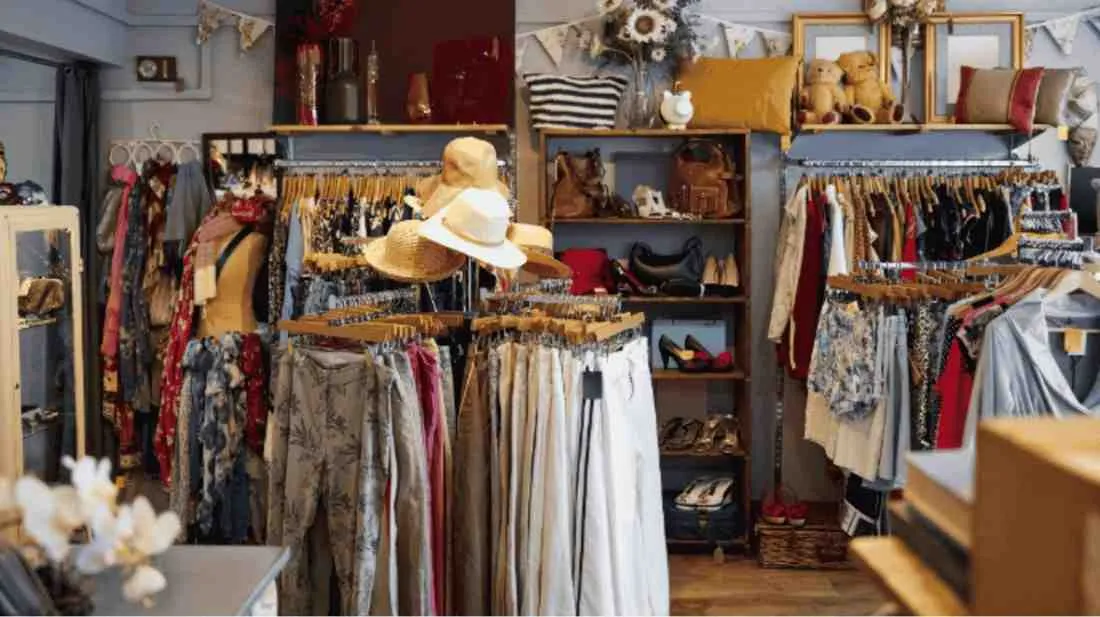
Mumbai (Maharashtra)[India] January 16: Thrifting is changing how urban shoppers think about fashion, lifestyle and even identity. Pre-loved shopping is fashionable, conscious, and proudly Instagram-worthy, once considered “used” or “second-hand,” and largely ignored by many. Thrifting is growing popular in India, particularly in cities like Delhi and Mumbai to Bangalore. It mixes style, sustainability, and savings, while challenging old notions of what it is to shop “smart.”
From Stigma to Style Statement
Used clothing was formerly something of necessity and not choice. Today urban Gen Z and millennials laud thrifted finds as their own. Influencers and content creators showcase “thrift hauls,” featuring vintage shirts, denim jackets and Y2K tops. Rather than promoting the mere fact that something is pre-owned, people present it as a badge of individuality and awareness. The word thrifting has moved from a silent compromise to a bold statement of style.
Sustainability at the Heart of Shopping
Even clothes in cheap fashion have become cheaper – but the planet has paid the price. More and more urban consumers are beginning to notice the waste fashion industry produces. Thrifting is one way to reuse what is already there. Shoppers sell pre-loved items, thereby reducing the need for new production, saving resources and helping to eliminate textile waste. And for many young people, supporting thrift stores and Instagram thrift pages is an intentional choice to live less carbonically, without sacrifice in style.
Budget-Friendly Fashion for Urban Youth
The costs of living in cities are increasing—rent, food, transport, entertainment. In this sense, thrifting allows fashionistas the freedom to experiment, without running out of money. Branded jeans, jackets, dresses and accessories are sold for half their retail price. Students at the college and young professionals are especially drawn to thrifting because they can re-shape their wardrobe often while staying within a budget. Shopping is fun, not stressful financially.
Rise of Online Thrift Stores and Pop-Ups
The business of thrifting hasn’t just come to the dusty markets or charity shops. The city is turning to a virtual shopping culture, with Instagram thrift shops, reselling sites, and WhatsApp thrift communities. Sellers often choose pieces by hand, style them in a creative way, and post photos and measurements with detailed information. On-line, pop-up thrift stores are popping up all over the weekend in cafes, art spaces and flea markets. Shopping is becoming something social, interactive and community driven.
Redefining What “New” Means
The world of thrift is also changing. The obsession with “brand new” and “latest collection” raises the issue of urban shoppers. They’re ignoring individuality, quality, and narrative instead. A thrift store vintage shirt is more special than a mall made top. People are learning to repair, upcycle and restyle rather than constantly replacing. It is subtle, but powerful: it urges conscious consumption over mindless shopping.
Creating New Communities and Conversations
What drifting is about is creating new communities – of sellers, buyers, stylists, and eco-minded youth. City spaces are now engulfed in discussions about ethical fashion, slow living and minimalism. Friends swap clothes, have swap parties, and go to thrift stores. Shopping is not just one-way traffic; it’s a collective culture that combines imagination, awareness, and connection.