



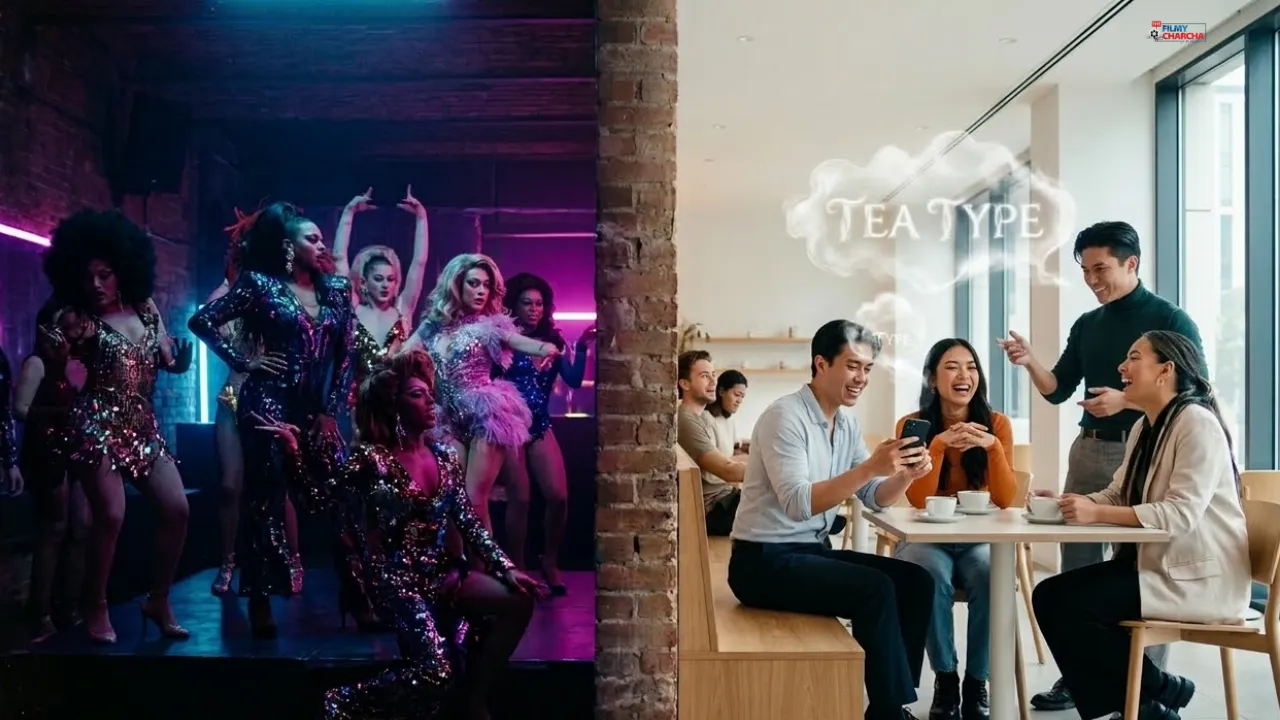
Have you heard young people saying “spill the tea”? What does it mean? Is it really about tea? Not exactly. “Tea” means gossip, juicy news, or hidden truth in Gen Z slang & when someone says “spill the tea”, they want to hear the full story. When people say “sip the tea”, they are enjoying listening to gossip quietly. The phrase is widely used online. Social media videos, chats, and memes show this slang daily. Many teenagers and young adults now use “tea” instead of simply saying gossip.
Where Did The Tea Slang Actually Come From?
The word “tea” has an interesting cultural history. It did not start with Gen Z alone. Experts say the slang grew from Black and LGBTQ+ drag culture in the United States. In that community, the letter “T” meant truth. Over time the pronunciation changed to “tea”. Sharing the “T” meant sharing personal truth or gossip. Later this phrase entered pop culture through music, television, and online communities. Today Gen Z across the world uses the same slang in everyday conversation.
Why Gen Z Loves Tea Culture So Much
Why do young people enjoy “tea” culture so much? Psychologists say gossip has always existed in society. Humans naturally share stories about others. It builds social connection. Gen Z simply gave it a new style and vocabulary. Instead of formal gossip, they use playful language. Social media platforms also increased this trend. Short videos and group chats make information travel quickly. Many young users say “tea” culture makes conversations fun and engaging. It also allows people to express opinions about trending topics.
Earlier Gossip Was Linked Mostly With Girls
In earlier decades gossip had a different social image. People often labelled gossip as something only girls enjoyed. Movies and television repeated this stereotype many times. However modern social behaviour is changing. Today boys and girls both openly discuss trending news, celebrity drama, and personal stories. Online communities show this clearly. Many male creators even run gossip channels or commentary pages. Social observers say Gen Z is more open about communication habits. They no longer hide interest in casual conversation topics.
What People Online Are Saying About “Spill The Tea” Culture
Social media reactions show mixed opinions about tea culture. They say gossip helps people bond and share emotions. Others warn that spreading rumours can hurt feelings. But one thing to be kept is mind is, "Tea is fun but it should stay respectful." Social media discussions also say, “Everyone loves listening to tea but no one wants to be the tea.” Psychologists say these reactions reflect a balance. Sharing information can create connection. At the same time responsible communication is important to avoid misunderstanding or harm.
