


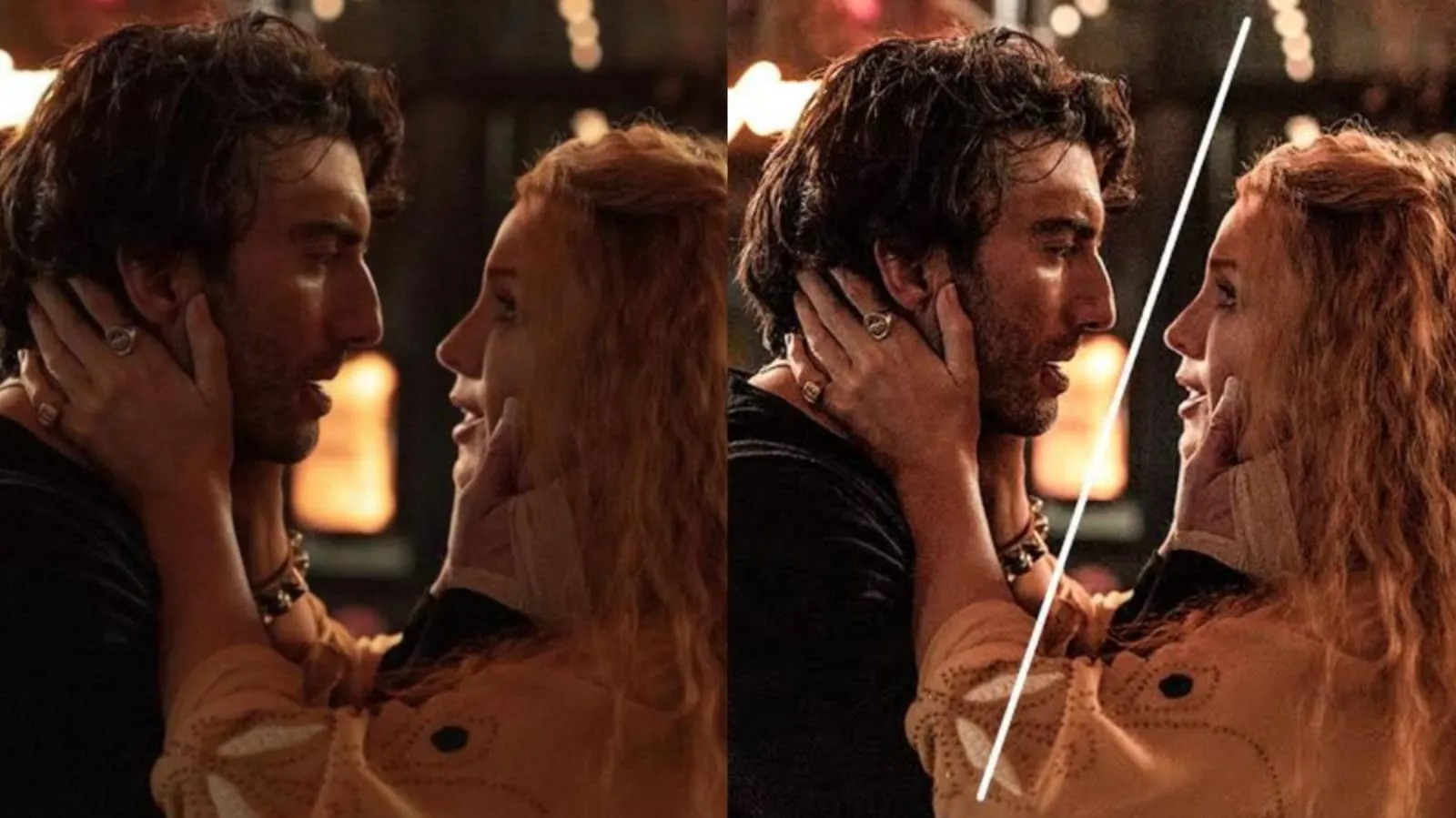
Mumbai (Maharashtra) [India] January 3: The legal conflict between Blake Lively and Justin Baldoni is no exception; Hollywood's sparkling front sometimes conceals dark conflicts. charges of sexual harassment, reprisal, and workplace misbehavior define the case, which Baldoni is suing for, but Baldoni is now providing text messages to refute Lively's charges. The case is now the buzz of the town, posing issues about media bias, corporate limits, and the hazy lines of Hollywood's creative process.
The Claims
The "Gossip Girl" star sued the California Civil Rights Department alleging continuous inappropriate behavior on the It Ends With Us set by Baldoni and producer Jamey Heath. Lively's allegations include claimed physical misbehavior that made her and others uncomfortable as well as unsolicited visits into her trailer during private events like nursing.
Fueling the flames, Lively claims that Baldoni regularly objectified her by remarking on her appearance and attire; some of these interactions was caught on camera. She also charges Wayfarer Studios, the studio, of reacting negatively against her for raising issues.
Baldoni's Refutation
Baldoni has denied all claims, characterizing Lively's charges as a distortion of their business contacts. Baldoni has included purportedly text conversations from Lively into his $250 million defamation case against The New York Times, which he says support her active participation in the creative process.
Lively reportedly said in one especially eyebrow-raising conversation that her character should dress "sexier" to complement the narrative arc. Baldoni's legal team contends that Lively's comments directly led Baldoni to use the word "sexy in later conversations."
"Live set the creative tone Baldoni followed during filming," his complaint claims.
The Infamous Trailer Event
supposedly walked in on her topless. Arguing that Live was covered at the time and Heath had knocked and entered only after being welcomed, Baldoni's camp presents a different picture of events.
Complicating matters further, Baldoni says Lively herself had invited him to her trailer several times to practice lines, even while she was pumping breast milk. "Justin, as a father of two, and Heath, as a dad," Baldoni's attorney observed, "are at ease among nursing mothers. Lively seemed just as at ease and even started some of these exchanges.
Media's Function
Baldoni's complaint also targets The New York Times, charging biassed reporting practices. He contends that although he had proof to support him, their coverage unfairly emphasized Live's assertions.
"This trial is not only about clearing Justin's name," his attorney added. "It's about ensuring fair reporting and addressing the media's function in shaping public opinion without due diligence."
The Conflict of the Intimacy Coordinator
The personal portions of the movie generate especially controversial debate. Lively adds that some of the sequences broke accepted conventions by not being scripted or scheduled. Baldoni responds that Lively's personal scheduling issues caused any delays in consulting; an intimacy coordinator was on set.
The Continuous Reckoning in Hollywood
This lawsuit highlights the more general debate in Hollywood about professionalism, consent, and power relationships. Lively's defenders contend that her bravery in speaking out draws attention to persistent systematic problems, while Baldoni's camp argues that their exchanges were fully business-like and distorted by both Lively and the press.
The stakes cannot be higher as both sides keep suing one another claiming reprisals. Baldoni's $250 million defamation lawsuit seeks to not only rebuild his reputation but also question what he believes to be a press rush to judgment.
What's next?
The lawsuit is far from finished, and as both sides fight it out in court startling disclosures probably will surface. For now, two Hollywood giants airing their grievances in what promises to be one of the most talked-about legal sagas of the year watched by the globe with bated breath.