


Gurmeet Singh explains Why Directors Must Compromise on Their Creative Vision
On The Filmy Charcha Podcast, Mirzapur director Gurmeet Singh speaks about the need to be flexible and steadfast



0
0
0
0
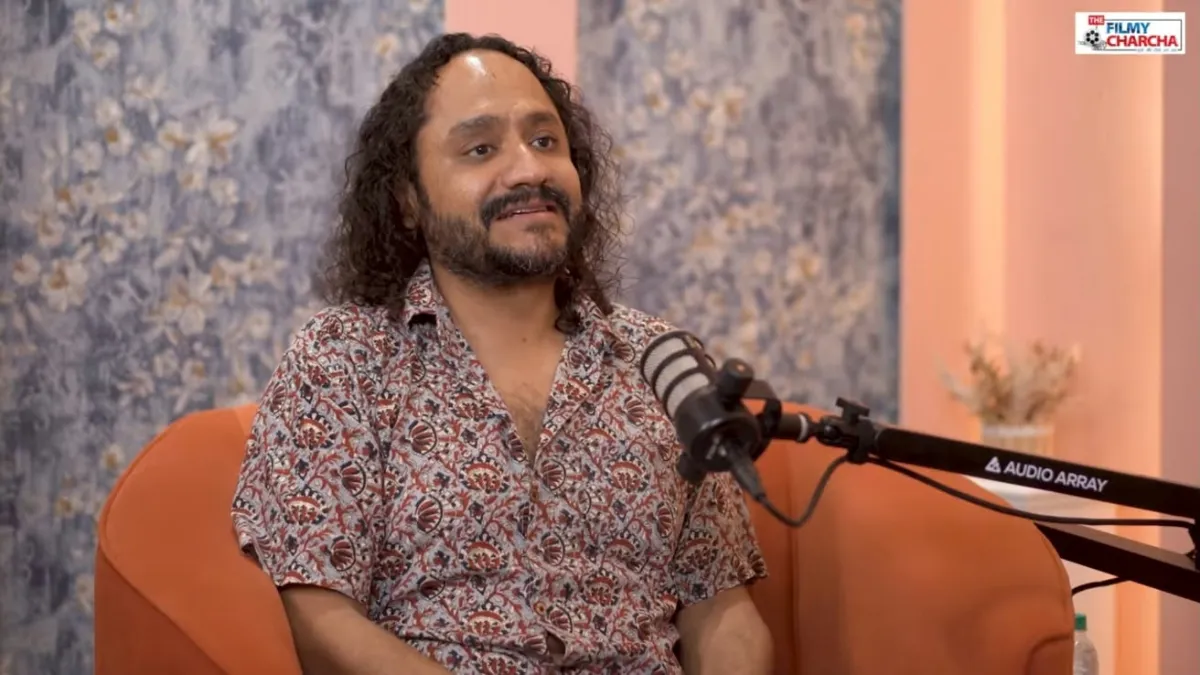
All creators have a specific vision for their work, but the process of translating it into reality involves multiple compromises. Whether it is the choice of actors or other conditions during the production, a filmmaker must embrace flexibility to avoid failures.
The topic was discussed by Mirzapur director Gurmeet Singh in a recent interview with Rahul Varun on The Filmy Charcha Podcast.
The guest was asked about the extent to which a director must compromise on their vision and ideas during the production of the film.
Gurmeet Singh said that it depended on the person but, in general, he believed that one had to be flexible and not tied to their first idea.
“Almost 99% of the time, your first choice is not going to happen,” he remarked.
Why the First Choice Is Not Always the Best
The visiting filmmaker elaborated that the inability to secure the desired actor or working conditions does not mean that the project is doomed to failure.
One has to understand that other options are available and that they can be equally beneficial, if not better.
Singh stated that, for him, it was essential not to get attached to a particular idea, as he always had the possibility to convey the same meaning in a different way.
Compromise could also mean finding a better option that would suit everyone. However, the director spoke of a thin line between necessary adaptability and betrayal of the concept.
Adaptability as a Filmmaking Skill
Gurmeet Singh’s remarks reflect a set of concerns that often directors.
When they make a film, creators put their ideas on the table and try to realise them in a particular way. However, they rarely consider how they will address potential disagreements or unexpected circumstances.
The director’s statements indicate awareness of the need to balance between vision and flexibility.
He admitted that it could be hard to admit that the initial idea was not good enough or that a particular element was not suitable for the film. Nevertheless, the visit to his podcast suggests that he thought it was crucial not to despair and look for other solutions. In a sense, his speech was a call for action: a director must have the confidence in their vision to know when to stand their ground, but also the flexibility to understand that a fixed perspective can limit the project.
Share This Article