



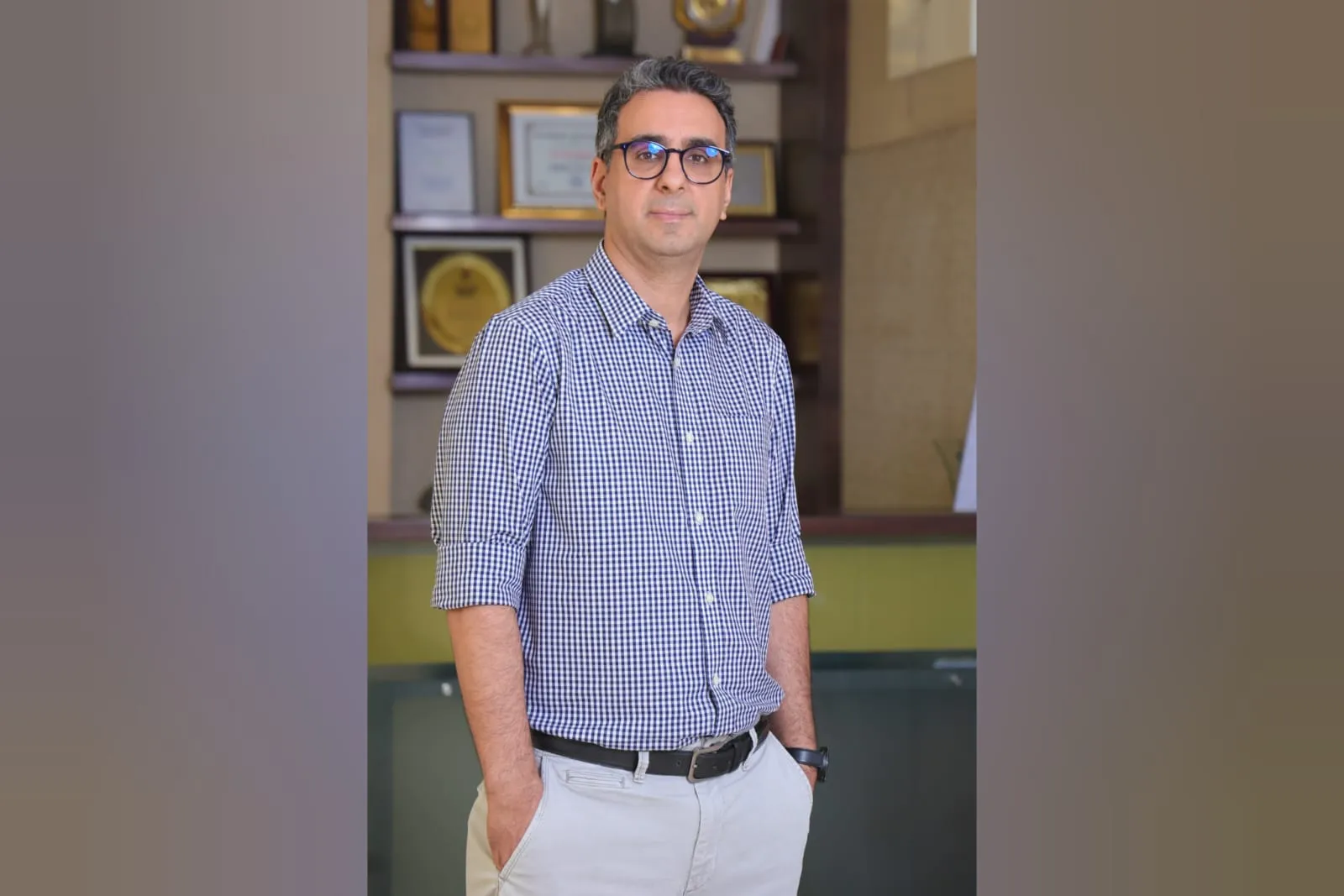
As Director of Academics at Whistling Woods International (WWI), Rahul Puri has been central to shaping one of India’s most influential creative education ecosystems. With the July 2026 admissions cycle approaching, he shares insights on what WWI looks for in aspiring creators and how the institute is evolving to meet a rapidly transforming media landscape. In this interaction, he discusses industry shifts, new programmes, student preparedness, and WWI’s vision for the next generation of creative professionals.
With the July 2026 entrance schedule announced, what key qualities do you look for in students applying to Film, Communication, and Creative Arts programmes?
At WWI, we look for genuine passion, curiosity, and a strong sense of ‘why, what, and how.’
The essential qualities we seek include:
Creative problem-solving: Ability to see obstacles as opportunities.
Collaboration over ego: Understanding that great work emerges from teams.
Cultural awareness and empathy: Observing human behaviour and respecting diverse perspectives.
Resilience: Taking feedback positively and growing through setbacks.
Potential over polish: We value raw passion and willingness to learn more than perfection.
During our entrance process, these qualities are evaluated through creative exercises, interviews, and portfolio reviews. Prior training is not mandatory—many of our most successful alumni came from non-traditional backgrounds and brought unique perspectives that strengthened our creative community.
How does WWI keep its curriculum updated to match the fast-changing media and entertainment industry?
We have multiple feedback systems to ensure our curriculum remains current, relevant, and industry-led:
Industry Advisory Board: Quarterly reviews by leading professionals to identify emerging skills and technologies.
Technology Partnerships: Collaborations with YouTube, Adobe, Foxconn, NVIDIA, Sony India and others ensure students work with cutting-edge tools.
International Benchmarks: Partnerships with USC, UAL, Ulster University, University of Leeds, and Toronto Metropolitan University help us match global standards.
Alumni Intelligence: Inputs from our 4,200+ alumni working worldwide help us understand what skills are being used daily and what is becoming outdated.
Through this system, our graduates enter the industry already familiar with the latest tools, workflows, and mindsets—making them not just industry-ready but industry-leading.
WWI has been recognised with several national honours. What, in your view, makes WWI stand out among other creative institutes in India?
WWI stands out because of a combination of global recognition, strong industry integration, and a collaborative learning ecosystem that very few institutes in India offer.
To begin with, WWI has been:
Ranked among the World’s Top Film Schools by The Hollywood Reporter,
Recognised as a Global Institute of Influence by Forbes (2015), and
Awarded the Best Institute for Creative & Performing Arts in India by FICCI (2019).
We’re also one of the very few Indian institutes that are full members of CILECT, the international association of top film schools, and we actively collaborate with globally renowned institutions such as USC, UAL, and Ulster University—giving our students international credibility and access to global networks.
Our 5.5-acre campus is equipped with world-class studios, labs, and production facilities, but what truly sets us apart is how these facilities are used. Every student, across our seven schools, works on live briefs, global collaborations, and industry-driven projects, ensuring they experience real-world creative processes with real stakes.
Cross-school collaboration is embedded from day one—filmmakers, designers, communicators, actors, musicians, animators, and game designers learn to work together exactly like professional industry teams. Our Emerging Media Lab and technology partnerships in VR, AR, Virtual Production, and advanced creative tools ensure students view new technologies as creative enablers, not threats.
Today, over 4,200 WWI alumni are working with top studios, agencies, platforms, production houses, and creative companies worldwide—or have launched their own ventures.
Ultimately, what distinguishes WWI is that we don’t just teach about the creative industries—we actively contribute to shaping them through the work of our students and alumni.
With exams scheduled from 12th to 20th December, how should students prepare, and what skills or portfolio elements should they focus on?
Students should balance disciplined preparation with holistic growth:
Practice timed tests to build clarity and speed.
Clear doubts early to avoid last-minute stress.
Maintain healthy routines—sleep, hydration, breaks—and stay consistent.
Alongside exam prep, they should continue strengthening their creative foundation:
Build or refine 2–3 strong portfolio pieces that reflect improved craft and clarity.
Increase technical proficiency in tools relevant to their field.
Stay updated with industry news, creators, and trends.
Develop projects that demonstrate passion, curiosity, and initiative.
This balance of academics + portfolio work prepares them for WWI’s real-world rhythm of classes, internships, events, and projects.
WWI offers programmes with TISS, including the new MBA in Media & Entertainment launched with IIM Mumbai. How will this collaboration benefit students?
This year marks a significant expansion of our academic offerings, aligned with the evolving creative economy:
New programmes:
BFA in Filmmaking – a dual elective structure enabling multi-disciplinary mastery.
MFA in Filmmaking – specialisations in Direction, Cinematography, Editing, Producing, Production Design, Sound, VFX & Virtual Production.
MBA in Media & Entertainment – combining creative insight with business strategy, in collaboration with IIM Mumbai.
Existing flagship programmes include:
MFA in Screenwriting, Diploma in Screenwriting, BFA in Acting, BFA in Music Production & Composition, BBA in Media & Communication, BDes in Animation, Game Design, Visual Communication, and Fashion Design.
These programmes are designed to produce well-rounded creative leaders who are artistically strong, technically sound, and strategically aware prepared to innovate across the industry.
WWI alumni work across filmmaking, animation, design, acting, music, and media. How does the institute support students from classroom learning to industry entry?
Our support system begins on day one and continues well beyond graduation:
Industry-grade equipment and workflows built into classroom learning.
Live client projects with brands, agencies, production houses, and NGOs.
Frequent masterclasses and workshops with leading practitioners.
International collaborations for global exposure.
4,200+ alumni network providing mentorship, internships, and placements.
Opportunities to participate in competitions, festivals, and conferences.
Placement cell connecting students with studios, agencies, streaming platforms, and media organisations.
Semester-long internships, many leading to full-time roles.
Entrepreneurship support for students starting their own ventures.
Lifelong career services and continuous upskilling via WWI Extension.
Students graduate with portfolios, networks, and confidence that position them strongly in the industry.
Having shaped WWI since the beginning, what is your vision for its next phase, especially for students joining in 2026?
WWI has grown into an ecosystem where creativity, technology, and industry relevance intersect.
The next phase will focus on future-ready creative education.
Students joining in 2026 can expect:
Deeper integration of AI, virtual production, immersive media, and future technologies across all schools.
Stronger industry partnerships for real-world challenges from day one.
A more global learning environment through exchanges, international projects, and collaborations.
A renewed emphasis on original thinking, ethics, culture, and responsibility.
A campus environment that encourages experimentation, risk-taking, and innovation.
Our goal is to nurture creators who understand both the art and the science of media—individuals who will shape what the industry looks like in the next decade.