



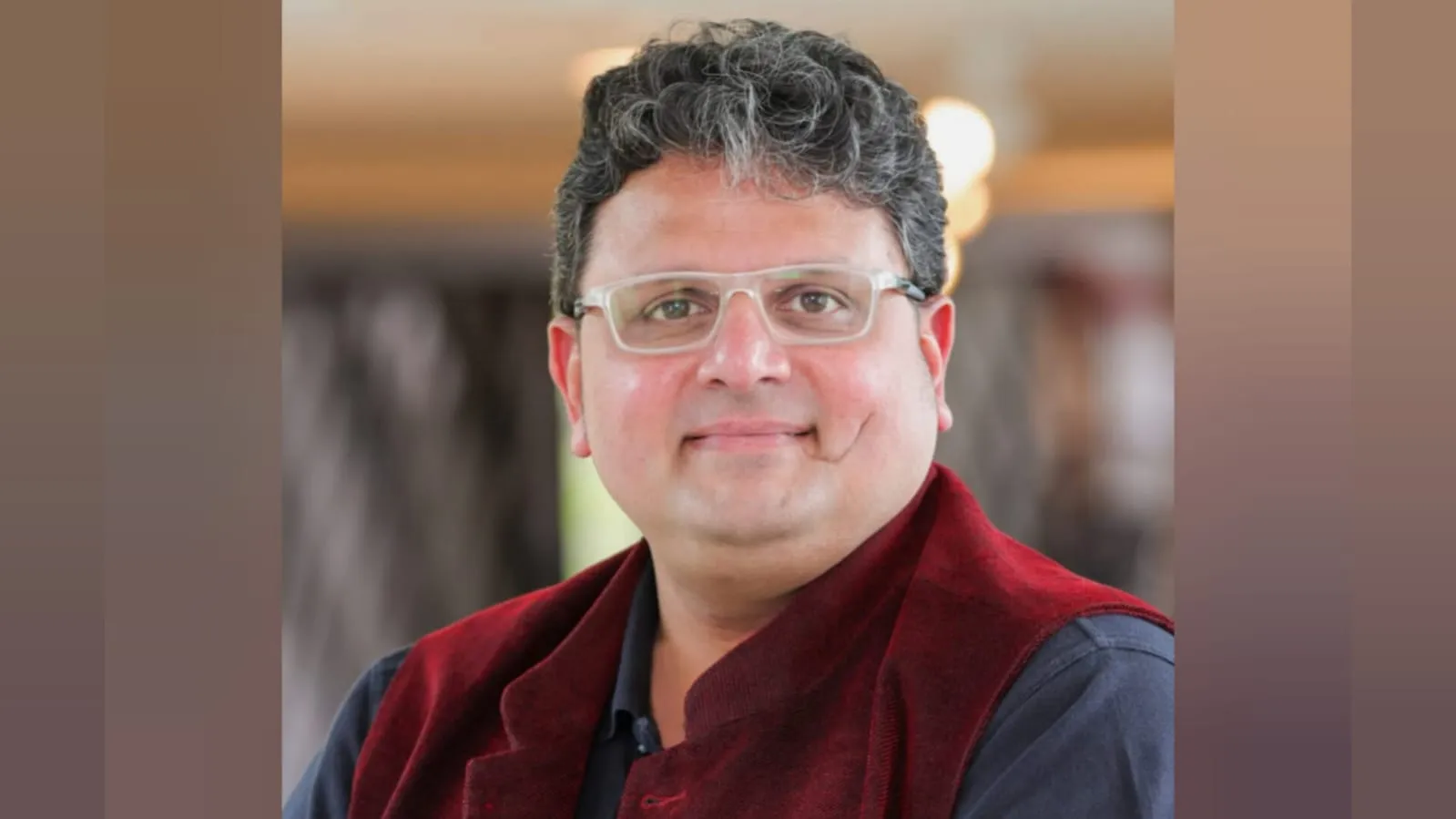
Chaitanya Chinchlikar, Vice President & Chief Technology Officer at Whistling Woods International, becomes the first Indian educator to be inducted as a member of the Academy,
Congratulations on your induction into the Academy of Motion Picture Arts & Sciences. What does this recognition mean to you personally and professionally at WWI?
It is rather humbling but invigorating as it recognises our decades of dedication to elevating Indian film education and gives a big boost to our long-term commitment to empowering Indian creativity with cutting-edge technical excellence.
Being part of the Academy that celebrates cinematic excellence globally is both an honour and a profound responsibility. This recognition brings the responsibility to channel the Academy's knowledge base and network directly into enhancing our curriculum.
The membership isn’t a destination; it's a medium to make Indian film education truly world-class and globally competitive.
How significant is your Academy induction for India’s media and entertainment education?
Being invited to join the Academy as a member in the Production and Technology branch validates that the work we are doing at Whistling Woods International has reached global standards. It signals that our approach to blending film education, technical excellence and creative storytelling is being acknowledged globally.
For our students and the broader Indian film education sector, this opens a lot of doors. It provides our students access to best-in-class standards and practices followed by the Academy. The knowledge bank that comes with this membership and the technical expertise that defines world-class filmmaking can be directly integrated into our curriculum.
How do you see technology and storytelling converging globally in cinema?
The convergence of technology and storytelling has fundamentally redefined cinema. Every major evolution in filmed entertainment in the past half century has come on the back of technology. From wide-screen film formats, to digital cinematography, UHD, HDR, digital projection, surround sound, VFX, Virtual Production and (now) AI have all enhanced the quality of films being made and seen and has enabled more and more creators to tell their stories in the audio-visual medium.
At WWI, we prepared students to harness technology while never losing sight of storytelling fundamentals. Globally, technological standards are becoming universal while cultural narratives remain distinct. The future belongs to filmmakers who understand that no amount of technical wizardry can replace authentic human experiences and compelling characters. Indian cinema, with its rich storytelling traditions, is uniquely positioned to leverage cutting-edge technology while maintaining our distinctive voice.
What role does the Production & Technology Branch of AMPAS play, and how will you contribute?
The Production & Technology Branch of the Academy represents members working in key technical & production roles across all phases of filmmaking, from pre-production to post-production. This branch includes individuals like chief technology officers, senior department heads in technology and creative services. By bringing together professionals from different areas, the branch facilitates communication and collaboration between various departments, leading to more innovative filmmaking practices
As a member, I hope to bring unique processes developed/followed by WWI and the emerging technologies / workflows included in our curriculum. I'll contribute by sharing how emerging markets innovate with efficient production methods. My role at WWI allows me to bridge Academy standards with fresh talent, ensuring global film education benefits from diverse storytelling and production innovation. This isn't just about bringing Academy knowledge to India, it's about enriching the global film community through our collective expertise.
After receiving the SMPTE Medal and now AMPAS recognition, what’s next for you and WWI?
The SMPTE Medal and AMPAS recognition are both incredible honours, and they're stepping stones toward a larger vision. For me personally, this validates decades of commitment to excellence and opens new responsibilities on global platforms.
At WWI, we're now positioned to augment our globalisation as a film school. We're developing exchange programs with top global institutions, bringing Academy-level masterclasses directly to our campus, and creating curriculum that reflects the highest industry standards, while adding technology partnerships with leading M&E OEMs. The goal is to make WWI a premier choice for international students while ensuring our Indian graduates are sought after worldwide. These recognitions have opened doors, now it's about walking through them to transform the entire landscape of film education in India.
How do you hope this honour will inspire aspiring Indian filmmakers and technologists?
This recognition sends a powerful message to every aspiring Indian filmmaker and technologist: excellence has no geographical boundaries. When global institutions like AMPAS acknowledge Indian academics, it validates that our creative vision and technical capabilities can compete at the highest levels worldwide.
For young filmmakers, this proves that you don't need to leave India to access world-class film education & achieve international recognition. You can build world-class careers right here while contributing to global cinema. For technologists, it demonstrates that innovation in Indian film education and production methods are being noticed and valued by the industry's most prestigious bodies. My hope is that this inspires them to dream bigger, push technical boundaries, and never settle for "good enough."