



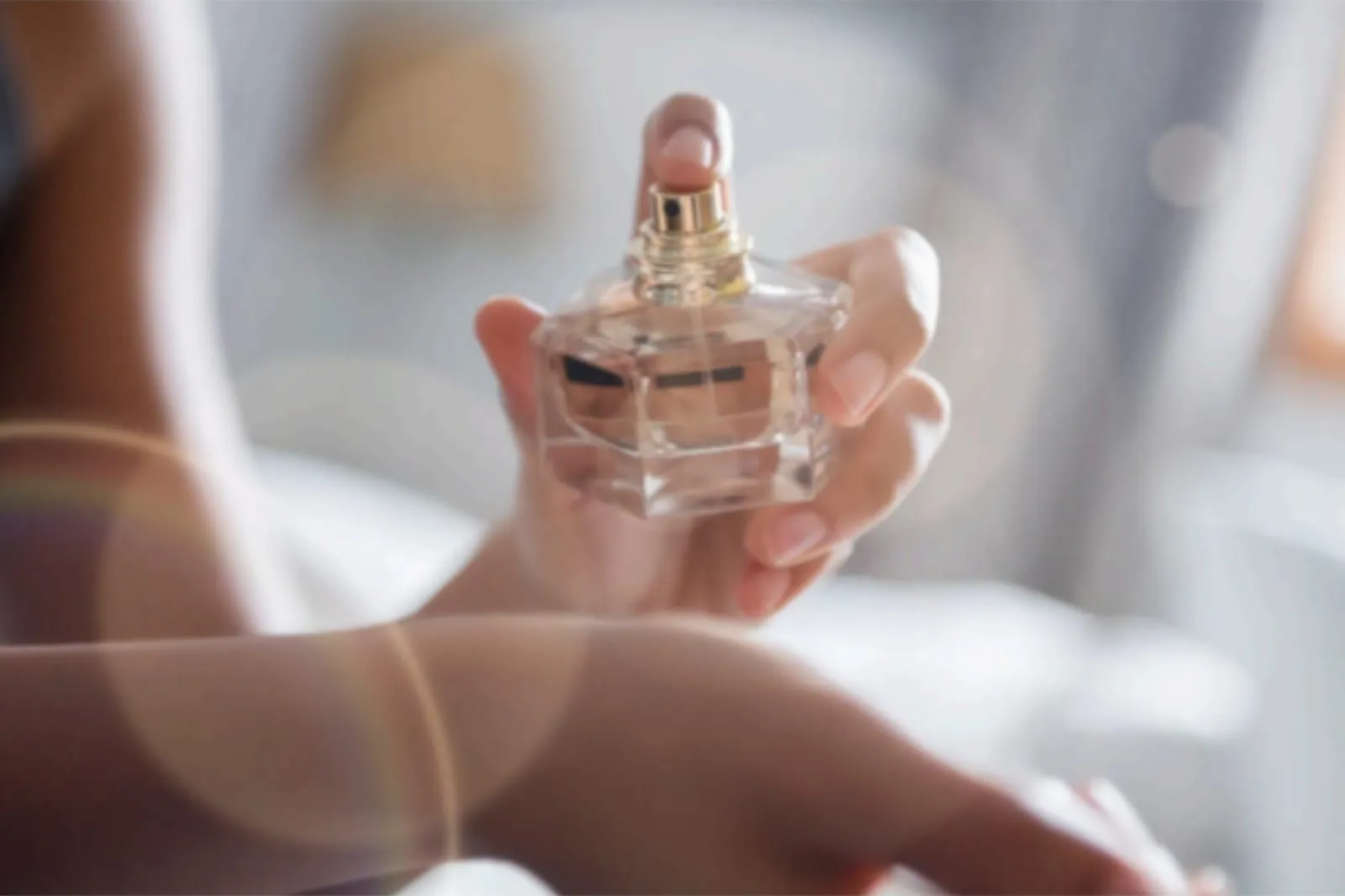
For a decade, I was utterly devoted to a single scent. My signature fragrance sat proudly on my vanity, a constant companion through job interviews, first dates, milestone celebrations, and ordinary Tuesdays alike. Friends could identify my presence before I entered a room. My husband knew that subtle floral-woody blend as intimately as my voice. That bottle of perfume for women wasn't just a beauty product—it was part of my identity.
Then, one seemingly ordinary morning, everything changed. I reached for my beloved fragrance and realized something unsettling: I couldn't smell it anymore. Not because the bottle had gone bad, but because my nose had become so accustomed to it that the magic had simply vanished. What once made me feel confident and alluring now felt invisible, like wearing yesterday's air. That moment sparked a journey I never expected to take—one that would completely transform my relationship with fragrance.
The Comfort of a Signature Scent
I understand why so many women become devoted to a single perfume. There's something deeply comforting about olfactory consistency. In a world that constantly changes, having one reliable scent feels like an anchor. My original fragrance was a sophisticated blend of jasmine, sandalwood, and vanilla that I discovered during my mid-twenties. It became intertwined with some of my most cherished memories—my wedding day, the birth of my daughter, career triumphs that once seemed impossible.
Psychologists call this "scent memory," and it's one of the most powerful forms of recall we possess. Every time I spritzed that perfume, I wasn't just applying fragrance; I was wrapping myself in a decade of experiences. Changing it felt like betraying an old friend, or worse, abandoning a part of myself I'd carefully constructed.
The Wake-Up Call
The phenomenon I experienced is called "olfactory fatigue" or "nose blindness." When you're exposed to the same scent repeatedly, your brain essentially stops registering it as noteworthy. It's an evolutionary adaptation designed to help us notice new, potentially important smells in our environment. Unfortunately, this meant the perfume for women that once turned heads was now completely wasted on me.
I started noticing other signs too. The compliments had dried up years ago, though I'd attributed that to people simply getting used to my scent. I was going through bottles faster, unconsciously overspraying to recapture that initial impact. Most tellingly, I felt less excited about my morning routine. What was once a small daily luxury had become mindless habit.
The breaking point came during a department store visit. While browsing, a woman walked past wearing something absolutely intoxicating—bright, unexpected, and utterly captivating. I felt a pang of envy, not for her perfume specifically, but for the obvious pleasure she took in wearing it. That's when I realized: I'd been clinging to my signature scent not out of love, but out of fear of change.
The Search Begins
Switching perfumes after a decade felt oddly vulnerable, like reinventing myself at an age when I thought I was supposed to have everything figured out. I visited three different fragrance counters, feeling overwhelmed by the sheer variety of options. The beauty advisors offered countless samples, each promising to be "the one." I learned about fragrance families, base notes, and how perfumes evolve on different skin types—knowledge I'd completely bypassed during my first perfume purchase all those years ago.
I discovered that my tastes had evolved significantly. The sweet, warm scents I gravitated toward in my twenties now felt cloying. I was drawn to fresher, more complex fragrances—citrus top notes with unexpected spicy undercurrents, or clean aquatic scents with just a hint of musk. It was as though my nose was waking up after a long sleep, suddenly able to appreciate nuances I'd been missing.
Finding My New Signature
After weeks of testing samples, I found it: a luminous bergamot and white tea combination that felt both sophisticated and surprisingly playful. The first time I wore it to work, three colleagues asked what I was wearing. My husband, who barely noticed when I changed my hair, commented that I smelled "different—really good." Most importantly, I felt different. The new perfume for women I'd chosen made me feel like both a familiar version of myself and someone with room to grow.
What I Learned
Switching perfumes taught me that change isn't betrayal—it's evolution. We're not meant to remain static, wearing the same scent, living the same life, being the same person we were a decade ago. My old fragrance will always hold those memories, but they don't need to be the only memories I make.
Now, I keep multiple fragrances in rotation, choosing based on my mood, the season, or simply what excites me that day. Some women will always prefer their signature scent, and that's beautiful too. But if you're feeling uninspired by your longtime fragrance, consider this your permission to explore. Your nose—and perhaps your whole life—might be ready for something new.