


Haiwaan Review: Akshay Kumar And Saif Ali Khan Make This Familiar Cat-And-Mouse Thriller Watchable
Read our Haiwaan Review to know why its slow first half holds it back, while strong performances and better suspense lift the second half.



0
0
0
0
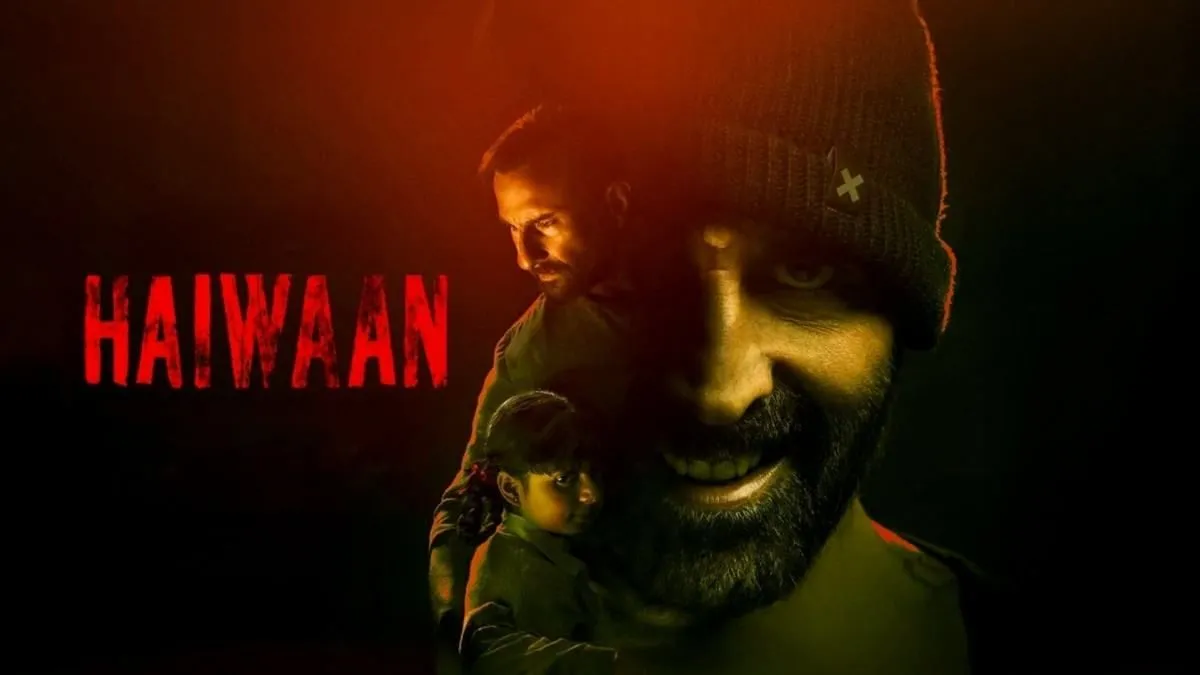
Photo :X
Haiwaan puts a blind caretaker at the centre of a murder case, a dangerous pursuit and a fight to protect a young girl. Saif Ali Khan and Akshay Kumar lead the thriller, while Priyadarshan returns to the darker side of the genre after several years. The premise has an immediate hook, but it is hardly unfamiliar, especially for viewers who have seen Priyadarshan’s 2016 Malayalam thriller Oppam, which serves as the official source material. Priyadarshan and Boman Irani have also stressed that the Hindi adaptation was approached independently rather than simply being “cut-pasted.”
Haiwaan takes longer than expected to get its thriller engine running. The opening focuses heavily on establishing the characters and setting, which makes the first half feel stretched at times. Once the central hunt takes over, however, the pace improves and the film becomes far more involving.
Haiwaan Review
Director: Priyadarshan
Cast: Akshay Kumar, Saif Ali Khan, Boman Irani, Saiyami Kher, Shriya Pilgaonkar, Sharib Hashmi, Rajpal Yadav, Rajesh Sharma, Manoj Joshi, Asrani, Mohanlal, Pahal Chaudhary and others.
Where To Watch: In Theatres
Runtime: 164 minutes
Rating: ★★★☆☆ (3/5) stars
1. Plot Details
Haiwaan follows Shyam Rane (Saif Ali Khan), a blind caretaker employed by retired judge Pradhan (Boman Irani). His life changes after Pradhan is murdered, leaving Shyam responsible for protecting the judge’s young daughter, Nandini. The situation becomes even more dangerous when Shyam is framed for the killing and Parshuram (Akshay Kumar), a vengeful killer, starts hunting Nandini.
Parshuram is driven by more than random violence. He has a personal connection to the people he targets, and his past has turned that anger into a desire for revenge. The motivation gives the conflict some emotional weight, although the film does not offer anything particularly surprising in the way it develops his backstory.
Shyam finds himself at the centre of this conflict without being able to rely on sight. Instead, he uses his hearing and other senses to understand his surroundings and anticipate danger. That idea remains one of the film’s strongest elements because it changes the usual dynamic between a hunter and his prey.
The Mumbai setting gives Haiwaan a different look from Oppam, while Priyadarshan adds several Hindi-film touches to the original framework. Humour, songs and more heightened action become part of the package, giving the adaptation a more commercial feel. Not all of these additions work equally well, particularly when they interrupt the thriller’s momentum.
That problem is most noticeable during the first 40 minutes. The film spends too long setting up the characters before the real danger takes centre stage. Once Shyam is forced to confront the threat around him, the story becomes more focused and starts moving with greater purpose.
2. Script Analysis
The screenplay has one major obstacle from the beginning: much of its story is already familiar. A blind protagonist using his heightened senses while being pursued by a dangerous killer is the foundation of Oppam, so viewers who know the Malayalam film will naturally recognise the broad trajectory here. The Hindi adaptation changes several details, but those changes are not enough to make the central mystery feel completely new.
Still, the writing does not simply repeat the original beat for beat. Rohan Shankar, Abilash Nair and Priyadarshan add new touches while reshaping the material for a Hindi audience. The screenplay is at its strongest when it keeps returning to the growing conflict between Shyam and Parshuram rather than getting distracted by secondary material.
The trouble is that the film sometimes feels stretched around that core story. Several additional sequences do little to deepen the characters or move the plot forward, while the songs occasionally bring the suspense to a halt. That becomes more noticeable because the film already takes a considerable amount of time to reach its main conflict.
The first half therefore struggles to turn its setup into real tension. It has atmosphere, but the slow pace does not always make the audience more curious about what comes next. The second half handles the material much better because the chase finally becomes the priority.
Once the thriller mechanics take over, Haiwaan becomes more watchable. Some developments are easy to anticipate, particularly for anyone familiar with Oppam, but the individual chase sequences still provide enough movement and tension to keep the story going.
The film also moves between serious thriller beats and comedy. Some of the lighter moments fit naturally through the supporting characters and prevent the story from becoming too heavy. At other points, the humour arrives just when the tension should be building, which takes some bite out of the darker scenes.
The writing ultimately does enough to keep Haiwaan moving, but it rarely feels inventive. The film is most effective when it strips things back and focuses on Shyam trying to stay ahead of Parshuram. That central cat-and-mouse game is where the screenplay finds its strongest rhythm.
3. Performances & Execution
Saif Ali Khan and Akshay Kumar take distinctly different approaches to their characters, which gives the central conflict some variety. Saif plays Shyam with restraint and does not immediately turn him into a conventional action hero. His performance gradually brings out the character’s courage and protective instincts as the situation becomes more dangerous.
Saif also wisely avoids trying to replicate Mohanlal’s performance from Oppam. Instead, he gives Shyam a quieter personality and builds the role around his vulnerability, instincts and determination. That approach helps the character stand on his own rather than constantly inviting comparisons with the original.
Akshay Kumar gets a more aggressive role as Parshuram. The character gives him room to move away from the comic and heroic parts that have defined much of his recent screen image. He brings physical intensity to the villain, particularly when Parshuram’s anger starts taking control.
At times, however, the performance becomes more heightened than the surrounding material. Parshuram is deliberately larger than life, and Akshay leans into that quality, but some scenes could have benefited from greater restraint. His menace is more convincing when it comes through the character’s actions than when the performance pushes too hard.
The supporting cast adds personality in places. Sharib Hashmi stands out in a deliberately irritating role and makes the character memorable, while Shriya Pilgaonkar leaves an impression despite having limited material. Saiyami Kher’s police character is useful to the plot but does not receive enough development to make a lasting impact.
Rajesh Sharma, Rajpal Yadav and Manoj Joshi provide solid support without getting much opportunity to make their characters more substantial. Asrani is the notable exception in terms of emotional significance. His final screen appearance adds an extra layer to his scenes, while his comic moments bring some warmth and nostalgia.
Priyadarshan’s direction works best when the film becomes a suspense thriller. He knows how to build sequences around what Shyam can hear and what he cannot see, using that limitation to create tension. The director does not reinvent his thriller style here, but his experience with the genre is clear during the stronger chase sequences.
4. What Works & What Doesn’t
What Works
The central chase: Once Shyam and Parshuram are properly set against each other, the film becomes much more involving. Their different strengths give the thriller a clear dramatic focus.
The two lead performances: Saif keeps Shyam grounded, while Akshay brings a more volatile energy to Parshuram. Their contrasting approaches help maintain interest in the central conflict.
The second half: The film finally finds its rhythm once the chase becomes the main focus. The suspense works better when the story stops pausing for unnecessary detours.
The use of sound: Shyam’s heightened senses allow the film to build several sequences around sounds and movements rather than relying only on conventional action.
Sharib Hashmi: His character adds personality to the supporting cast and provides some memorable moments.
Asrani: His appearance carries added emotional weight and brings a welcome sense of nostalgia.
The atmosphere: The cinematography and sound create a polished, darker world that suits the thriller.
What Doesn’t
The familiar story: Viewers who have seen Oppam will recognise much of the film’s basic structure.
The slow opening: It takes too long for the main conflict to become the driving force of the story.
Uneven pacing: Songs and additional sequences sometimes interrupt the suspense instead of strengthening it.
Predictable turns: Several developments are easy to anticipate, especially if you already know the original.
Underwritten women: Saiyami Kher and Shriya Pilgaonkar have important functions in the story, but their characters lack depth.
Convenient plotting: A few developments depend on coincidences or decisions that require the audience to overlook their logic.
5. Technical Aspects
The technical presentation is one of Haiwaan’s more reliable strengths. The cinematography gives the film a sleek and atmospheric appearance, while Mumbai provides a busy backdrop for the chase. The darker visual approach also helps maintain a sense of danger around Shyam as the story progresses.
Sound is particularly important because Shyam cannot rely on his eyesight. The film uses audio cues to place the audience closer to his perspective, especially during scenes where he has to identify danger without seeing its source. These sequences are among the more effective parts of the film because the protagonist’s blindness becomes an active part of the suspense.
The action has enough physical weight as well. Shyam is visually impaired, but the film does not treat him as physically helpless. His ability to react to sounds and movements gives several confrontations a slightly different rhythm from standard action sequences.
The production design adds to the film’s polished Bollywood look. Haiwaan feels larger and glossier than a straightforward remake might suggest, and the overall presentation supports the scale of the story.
Pritam’s music is less effective. The songs are not particularly memorable, and their placement occasionally slows down the narrative. That becomes a bigger issue in a thriller that already needs time to build momentum.
The editing could also have been tighter. The 2-hour-44-minute runtime is manageable, but the opening would have benefited from a sharper cut. Trimming some of the slower material could have brought the main conflict into focus earlier.
6. Final Thoughts
Haiwaan never fully escapes the shadow of Oppam, largely because the central story remains so recognisable. The Hindi adaptation changes the setting, tone and presentation, but the underlying conflict follows a familiar path. That limits the film’s ability to surprise viewers who already know the Malayalam original.
Still, reducing Haiwaan to a simple remake would not be entirely fair. Priyadarshan gives the film a more commercial Hindi-film texture, while Saif Ali Khan and Akshay Kumar bring different energies to the two sides of the conflict. The supporting cast also adds enough humour and personality to keep the film from becoming too grim.
The bigger problem is the pacing. The first half takes too long to reach the material that makes the premise interesting, and some of the additional sequences only make the journey longer. Once the second half focuses on the chase, however, the film becomes much more engaging and finds the tension it was missing earlier.
Haiwaan is not Priyadarshan at his sharpest, and it does not reinvent the thriller formula. It does, however, deliver a reasonably effective one-time watch once it gets moving. The stronger second half, solid performances and well-handled suspense sequences are enough to make the long build-up feel less frustrating by the end.
7. Should You Watch It?
Haiwaan is worth watching if you enjoy straightforward Hindi thrillers and can be patient with a slow first half. The film becomes considerably more engaging once the central chase takes over, even though its story remains predictable in places. Its biggest strengths are the performances, atmosphere and the way it uses Shyam’s heightened senses during suspense sequences.
The film is also worth considering for viewers interested in seeing Akshay Kumar and Saif Ali Khan take on roles that sit outside some of their more familiar territory. Priyadarshan’s direction gives the chase sequences enough polish and tension to make the second half work. However, viewers who have already seen Oppam should not expect a radically different story.
For those unfamiliar with the Malayalam film, Haiwaan is easier to approach on its own terms. It takes a well-tested thriller setup, gives it a more commercial Hindi-film treatment and eventually turns it into a decent suspense ride. The journey is slower than it needs to be, but the film finds its footing once the hunt finally begins.

About the author
Surya is a freelance review writer and features editor at TFC with over 5 years of experience in the industry. Mail your queries to him at svishu2708@gmail.com
Share This Article