



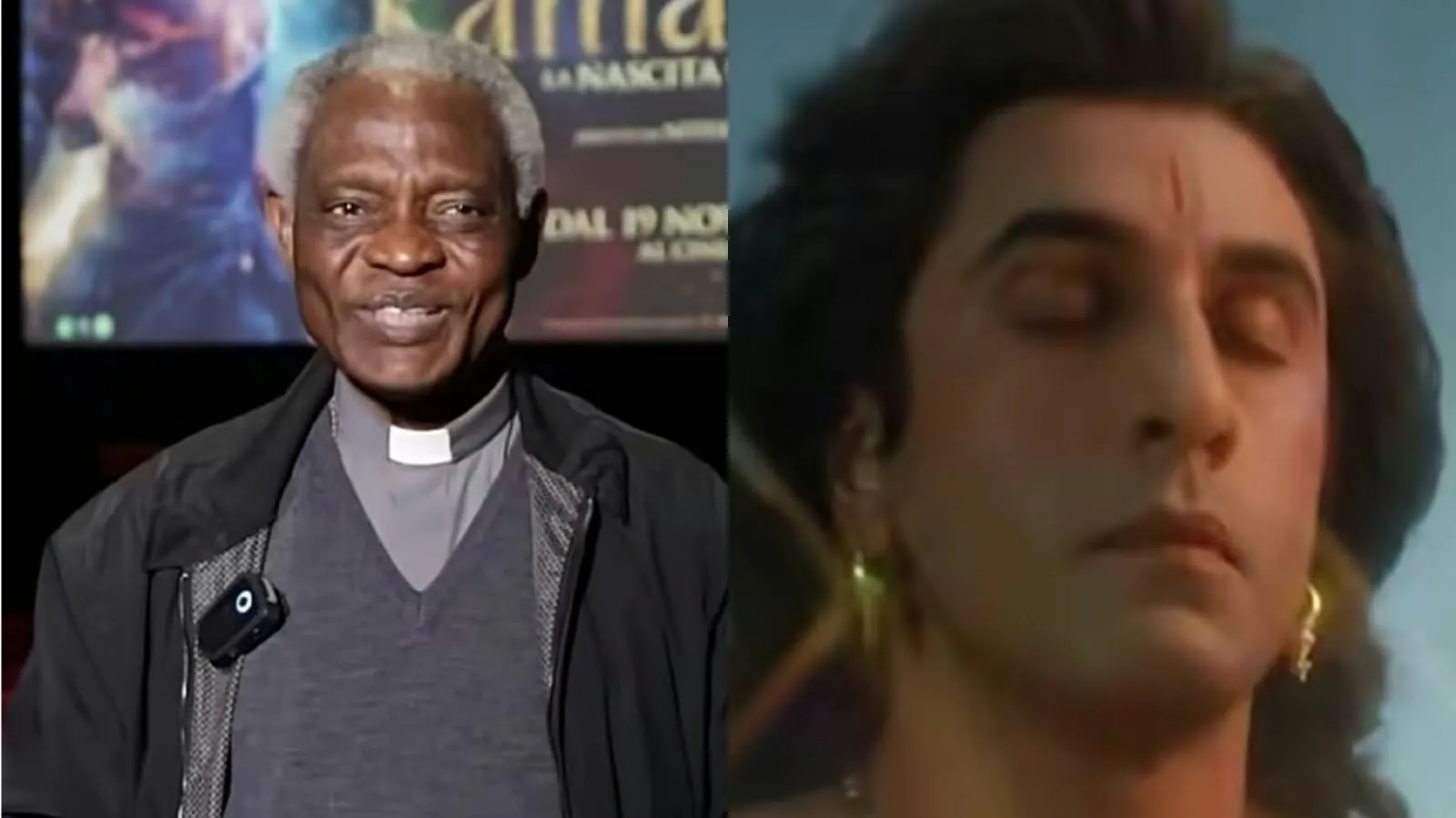
Namit Malhotra’s ambitious cinematic adaptation of the Indian epic Ramayana has received appreciation at a special screening in Rome attended by Cardinal Peter Kodwo Turkson, Chancellor of the Pontifical Academy of Sciences. The screening brought India's timeless story into an interreligious and intercultural conversation, with the Cardinal recognising its universal themes of love, sacrifice, righteousness and the triumph of good over evil.
The special gathering was attended by Cardinal Turkson, members of the staff of the Pontifical Academy of Sciences, the Ambassador of Ghana to the Holy See and members of his team, along with an architect and other guests. The occasion highlighted how a story deeply rooted in Hindu faith, tradition and Indian cultural heritage can also encourage meaningful conversations among audiences from different religious and cultural backgrounds.
Cardinal Peter Turkson Finds Universal Themes in Ramayana
During the screening, Cardinal Peter Kodwo Turkson drew parallels between Ramayana, ancient Near Eastern creation myths and Biblical narratives. He observed that different cultural and religious traditions often explore similar themes, including the supernatural, love, hatred, deceit, sacrifice and brotherly solidarity.
His observations highlighted the shared human values that appear across civilisations, despite differences in their beliefs and storytelling traditions.
The Cardinal also reflected on the epic's depiction of the conflict between good and evil, noting how its characters and supernatural elements explore questions of morality, relationships and human nature. His appreciation placed the Indian epic within a wider cultural and spiritual discussion, demonstrating how stories from different traditions can find common ground.
Rama and Lakshman’s Bond Leaves an Impression
Among the aspects that caught Cardinal Turkson's attention was the relationship between Rama and Lakshman. He appreciated the film's portrayal of their brotherly bond, highlighting the themes of loyalty, solidarity and commitment.
He also admired Rama's love for Sita and his dedication to her, recognising the larger emotional themes of love and devotion that run through the narrative.
The Cardinal also reflected on the scale of conflict and the violence depicted in the mythical story. The film's portrayal of the creation of the world through conflict between deities or supernatural beings particularly impressed him for its artistic presentation of mythological themes.
Music, Visuals and Technology Earn Appreciation
Beyond its spiritual and philosophical themes, the film's technical and artistic presentation also received praise. Cardinal Turkson appreciated its music, visuals, sound effects and overall cinematic craftsmanship.
He expressed admiration for the extensive use of technology involved in bringing the epic to the screen. The film's visual scale and technical execution offered another point of discussion during the screening, highlighting the role of modern filmmaking technology in presenting ancient stories to contemporary audiences.
Ramayana’s Story Sets the Stage for Its Next Chapter
The screening also brought attention to the narrative direction of the film's first instalment. The first part concludes with Sita being abducted through deception by a supernatural evil force, setting the stage for the conflict that is expected to unfold in the next chapter.
The subsequent instalment is expected to focus on the confrontation between Rama and the evil force, the rescue of Sita and the eventual triumph of good over evil. This central conflict remains one of the most significant elements of the Ramayana narrative.
An Indian Epic Opens a Global Conversation
The Rome screening represents a significant moment in the international presentation of India's cultural heritage through cinema. While Ramayana is deeply connected to Hindu faith and India's spiritual traditions, its themes of compassion, sacrifice, devotion, righteousness and the struggle between good and evil extend into broader conversations about humanity.
Cardinal Turkson's observations also underline how narratives rooted in one civilisation can encourage dialogue with audiences from another without losing their original cultural and religious significance.
For Namit Malhotra's ambitious cinematic project, the appreciation at the special screening adds an international dimension to its journey. More than a presentation of mythology on the big screen, Ramayana has become an opportunity to explore shared values across different traditions and cultures.
At its heart, the epic's enduring message is that the struggle between good and evil does not define humanity's ultimate destiny. Instead, it is the victory of goodness over evil that gives the story its timeless significance.
