



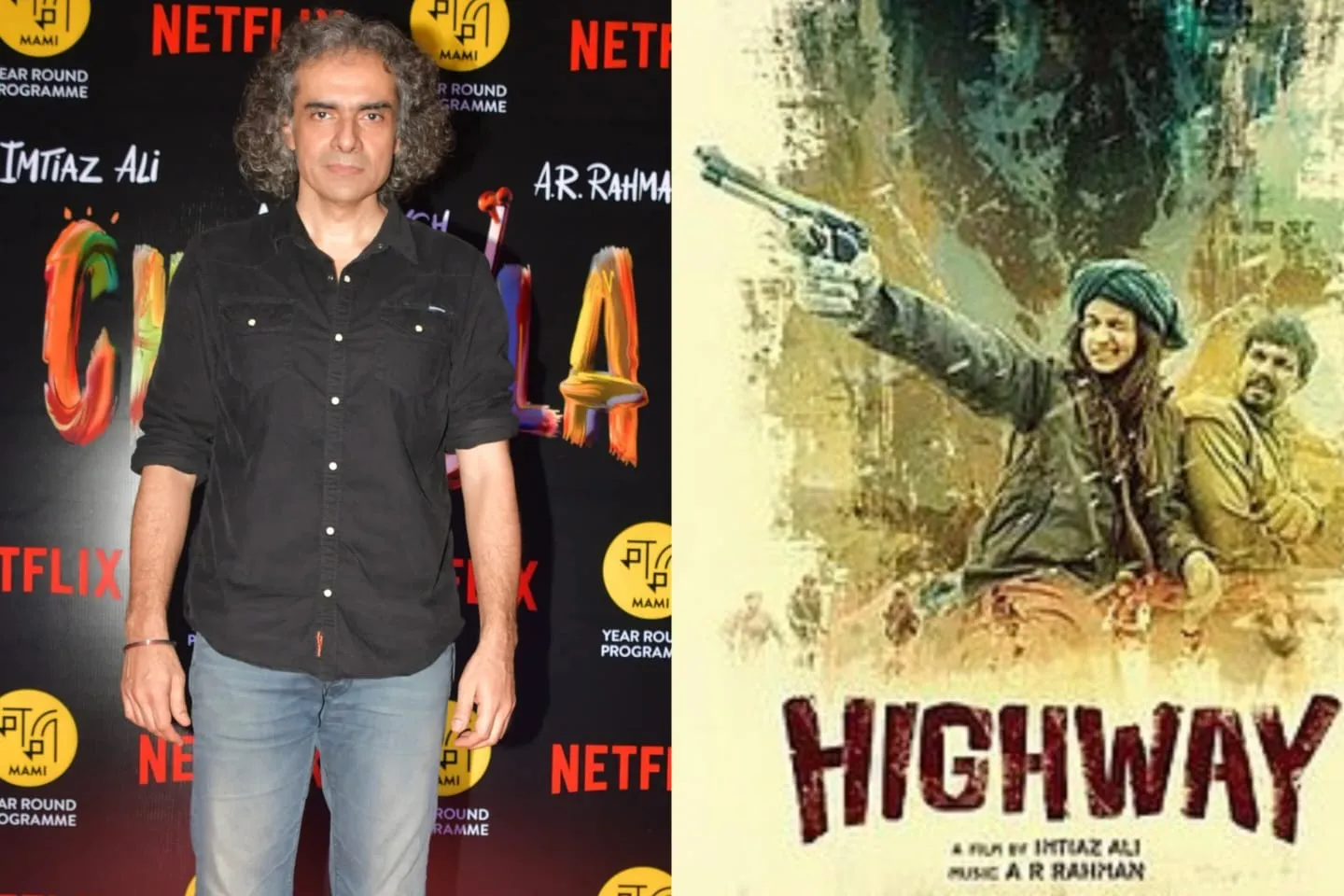
Mumbai (Maharashtra) [India] March 11: After making cult classics like Love Aaj Kal (2009) and Jab We Met (2007) for twenty years, director Imtiaz Ali calls his career in the entertainment industry "unreal." A s he commemorates 20 years in the film industry since his start with Socha Na Tha (2005), He says humbly “It’s a dream run,” adding, “I never would have expected to be here. I still can’t believe I am here, getting to do such fascinating work and being paid for it! I am the luckiest person on Earth, especially because I have got support from strangers in the film industry.”
With the success of his 2024 release Chamkila, which was well-received by fans and critics equally, Imtiaz's journey appears to have gone full circle. His excitement has been heightened by the recent re-release of his 2014 movie Highway, which starred Alia Bhatt and Randeep Hooda. This comes after Rockstar (2011) and Jab We Met (2011) were successfully rerun in theatres.
I had originally thought of casting someone a lot more experienced than Alia, perhaps older," the 53-year-old says of Highway. However, When I met her though, I thought she will have the emotional maturity to do this part, and it would look very interesting. I was getting a package of someone who has emotional depth and is very young. That’s how the casting worked out.
Stockholm Syndrome was one of the many complex topics that Highway addressed. In response to a question about whether he faced criticism or doubts when he started working on this topic, Imtiaz recalls, "Everyone was very encouraging." Tamasha (2015) was already something I was dedicated to making. But since there was some time between, Ranbir (Kapoor) urged me to produce Highway before that movie. Additionally encouraging was Sajid (Nadiadwala, producer of Highway). The story was a little unconventional, but everyone loved it. I thought I could be a little more creative if I made it at a minimal cost.
I am very excited (about the film’s re-release). Highway is a good look at women, their cares and concerns, and their will to power in society,” Imtiaz Concludes.